Contents
- Why Portable Generators Are Dangerous in High Winds
- Common Generator Mistakes During Power Outages
- Proper Generator Placement and Ventilation
- Electrical Safety and Grounding Concerns
- Why Wind Increases Fire Risk in Colorado
- When Portable Generators Are Not the Right Choice
- Safer Backup Power Options for Colorado Homes
- How The Electricians Help Colorado Homeowners Stay Safe
- Schedule a Free Backup Power Safety Estimate
Trusted Colorado Electricians
Winter power outages are common across Colorado. Strong winds, heavy snow, ice buildup, and downed power lines regularly leave homes without electricity during the colder months. When the power goes out, many homeowners rely on portable generators to keep essential systems running.
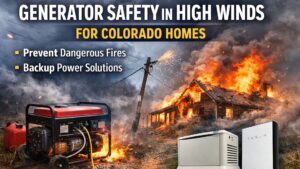
A recent Colorado house fire shows how dangerous generators can become when homeowners use them improperly during strong winds.
In December, emergency crews near Elk Creek responded to a fully involved house fire caused by a gasoline powered generator running during a wind driven power outage. While no injuries were reported, the home was a total loss, and the fire spread into nearby vegetation due to high winds.
This incident is an important reminder. Generator safety in high winds requires planning, proper setup, and a clear understanding of fire hazards.
This guide explains how to prevent fires during Colorado power outages, common generator mistakes homeowners make, and when safer backup power solutions provide better protection.
Why Portable Generators Are Dangerous in High Winds
Portable generators offer convenience during winter power outages, but they also introduce serious risks, especially during strong winds. These units rely on gasoline, hot engine components, and exposed electrical connections, all of which increase the potential for fire hazards.
High winds can:
- Push sparks or embers into dry grass or debris
- Blow exhaust fumes toward doors and windows
- Tip unstable generators or shift fuel containers
- Spread flames rapidly if ignition occurs
In calm weather, homeowners can manage many of these risks. During Colorado wind events, conditions change quickly.
A small generator malfunction in calm weather can quickly become a structure or wildland fire during high winds.
Common Generator Mistakes During Power Outages
Most generator related fires occur because of improper use rather than equipment failure. Stressful power outages often lead homeowners to rush setup or overlook safety steps.
Common mistakes include:
- Placing portable generators too close to the home
- Running generators inside garages or near doors and windows
- Failing to keep the generator dry during snow or blowing moisture
- Using non duty outdoor rated extension cords
- Overloading circuits and risking electrical shock
- Improperly storing fuel or refueling while the generator is hot
Running a generator without continuous monitoring is especially risky during strong winds. Conditions can change rapidly, even after power lines are already down.
Proper Generator Placement and Ventilation
Safe placement is one of the most important parts of generator safety in high winds.
Generators should always be:
- At least 20 feet from buildings
- Positioned away from doors and windows
- Placed on a stable, non combustible surface
- Kept clear of dry vegetation and debris
- Properly ventilated to prevent exhaust buildup
Never run a generator in a garage, crawlspace, or enclosed area, even if doors are open. Wind can force exhaust fumes back toward the home, increasing the risk of carbon monoxide CO poisoning.
Every home using a generator should have working carbon monoxide detectors and a carbon monoxide alarm installed on every level of the house.
Electrical Safety and Grounding Concerns
Improper electrical connections increase fire and shock risks during power outages. Homeowners should never backfeed power into a home through outlets or extension cords.
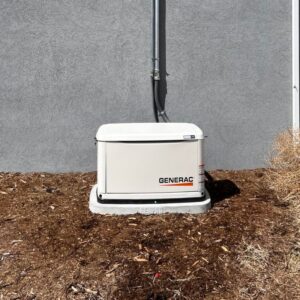
Generators should:
- Follow manufacturer grounding instructions
- Only power approved appliances
- Use heavy duty outdoor rated extension cords
- Never connect directly to the electrical panel without a transfer switch
Homeowners should involve a licensed electrician anytime a generator powers more than a few standalone devices. Improper wiring can damage appliances, cause electrical shock, and endanger utility workers once power is restored.
Why Wind Increases Fire Risk in Colorado
Colorado’s climate creates unique fire conditions, even during winter weather. Dry grasses, low humidity, and strong winds combine to increase fire spread risk when ignition occurs.
When a fire starts during high winds:
- Flames spread faster
- Embers travel farther
- Suppression becomes more difficult
This is why generator safety becomes especially important during wind driven power outages. What starts as a small issue can quickly escalate.
When Portable Generators Are Not the Right Choice
Portable generators are not appropriate in every situation. Homeowners should reconsider their use when:
- Strong winds are sustained or gusting
- Outdoor space is limited
- The home is near vegetation or open land
- Continuous monitoring is not possible
- Long duration power outages are expected
In these cases, professionally installed systems provide safer and more reliable backup power.
Safer Backup Power Options for Colorado Homes
Standby Generators
Standby generators are permanently installed systems connected directly to the home through an automatic transfer switch. Most residential standby generators in Colorado run on natural gas or propane, which provide more stable fuel performance during winter weather.
Benefits include:
- Automatic operation during power outages
- No gasoline handling or fuel storage concerns
- Weather rated enclosures
- Lower fire risk compared to portable generators
Battery Backup Systems
Battery backup systems, including Tesla Powerwall and similar solutions, eliminate many risks associated with fuel based generators.
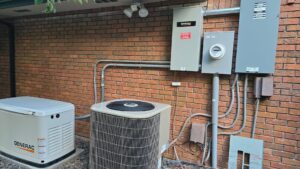
Battery systems:
- Produce no exhaust fumes
- Do not require fuel
- Operate silently
- Work safely during high wind events
These systems can power essential circuits or entire homes depending on design and capacity.
How The Electricians Help Colorado Homeowners Stay Safe
At The Electricians, we help homeowners evaluate backup power needs and recommend solutions designed for Colorado’s winter weather and strong winds.
Our services include:
- Generator safety assessments
- Standby generator installation
- Battery backup system installation
- Transfer switch installation
- Electrical load calculations
Our goal is to help homeowners keep their families safe during power outages without increasing fire risk.
Schedule a Free Backup Power Safety Estimate
If you currently use portable generators or plan to run a generator this winter, now is the right time to review your setup. Preventing generator related fires starts with proper planning and professional guidance.
Schedule a free estimate with The Electricians today to ensure your backup power plan is safe, reliable, and built for Colorado winters.
Related Posts
If you enjoyed reading this, then please explore our other articles below:
Electrical Panels in Colorado Homes
Many homes across Colorado, especially in Denver, Aurora, Lakewood, and Colorado Springs, were built with electrical panels that were never designed for modern power demands. Cold winters, EV charging, home offices, and newer appliances place added stress on older panels and breakers.
If you are noticing frequent breaker trips, buzzing sounds, or planning an upgrade like an EV charger or heat pump, a licensed Colorado electrician can evaluate whether your panel needs repairs or a full power upgrade.