Contents
- A Complete Guide by The Electricians
- Does your home’s electrical system actually have enough capacity to support a Level 2 charger?
- Why Electrical Load Matters for EV Charging in Colorado
- How Much Power EV Chargers Actually Use
- How The Electricians Perform a Colorado Compliant Load Calculation
- When a 200 Amp Panel Upgrade Is Necessary
- When You Can Install a Charger Without Upgrading Your Panel
- Smart Load Management in Colorado Homes
- Signs You May Not Have Enough Electrical Capacity
- How The Electricians Determine the Best EV Charging Option
- The Only Accurate Way to Know Your Home’s Capacity
- Prepare Your Home for Safe and Reliable EV Charging
Trusted Colorado Electricians
A Complete Guide by The Electricians
Adding a Level 2 ev charger is one of the best upgrades you can make as an EV owner in Colorado. Charging becomes faster, cheaper, and far more convenient than relying on public stations. Before any charger goes on your wall, however, one question determines everything.
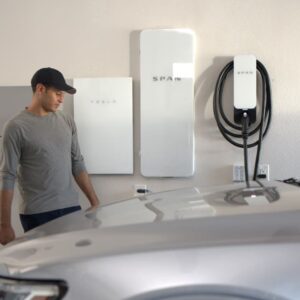
Does your home’s electrical system actually have enough capacity to support a Level 2 charger?
Many Colorado homes do. Many do not. The only accurate way to know is through a professional ev charger electrical load calculation. At The Electricians, this is the first step we take on every EV charger installation because it ensures safety, code compliance, and long term reliability.
Below, we explain exactly how load calculations work, when you need a panel upgrade, and which homes can install a charger without major electrical changes.
Why Electrical Load Matters for EV Charging in Colorado
A Level 2 charger is a high demand appliance, similar in electrical draw to a hot tub, range, or heat pump. Most require a continuous load between 32 and 60 amps depending on the model. Colorado code adopts the National Electrical Code, which treats EV chargers as continuous loads. That means the circuit can only operate at 80 percent of its rating.
This is why many homeowners discover that their panel does not have as much available power as they expected.
A proper load assessment prevents common failures including overloaded panels, overheating service conductors, recurring breaker trips, failed inspections, and potential fire hazards. Skipping this step is one of the fastest ways to turn a simple installation into a costly project.
How Much Power EV Chargers Actually Use
Most Level 2 chargers fall into three common categories.
32 amp chargers on a 40 amp circuit
These are universal chargers suitable for overnight charging.
40 amp chargers on a 50 amp circuit
A popular choice for Tesla, ChargePoint, Wallbox, and Enel X systems.
48 amp chargers on a 60 amp circuit
Ideal for higher capacity batteries and faster charge speeds.
Because these units run for extended periods, they must meet the 80 percent continuous load rule. For example, a 40 amp charger requires a 50 amp breaker. These requirements often push older electrical panels past their safe capacity.
How The Electricians Perform a Colorado Compliant Load Calculation
A load calculation is the heart of the EV charger installation process. It determines how much electrical demand your home already uses and how much capacity remains. Our licensed electricians evaluate several factors.
Service Size
Colorado homes commonly have 100 amp, 150 amp, or 200 amp service.
Most homes with 100 amp service require either load management or a panel upgrade.
Connected Loads
We evaluate your largest electrical appliances including heating and cooling equipment, water heating, cooking appliances, clothes dryers, hot tubs, secondary refrigerators, freezers, and well pumps when applicable.
Demand Factors
The NEC allows demand factors to apply because most appliances do not operate at full load simultaneously. This is a key distinction between a professional calculation and simply adding up breaker numbers.
Available Capacity
We determine whether your system can support an additional 40 to 60 amp dedicated circuit for the EV charger. If the answer is yes, the installation is straightforward. If not, we explore alternatives.
When a 200 Amp Panel Upgrade Is Necessary
A 200 amp electrical service is becoming the standard for EV-owning households in Colorado. You are likely to need an upgrade if any of the following apply.
- Your home has a 100 amp service
- You plan to install a high power charger (48 amps or higher)
- You intend to add more than one EV charger
- You are adding a heat pump, air conditioning, or hot tub
- Your load calculation shows little room for expansion
Many homes in Denver, Lakewood, Colorado Springs, and Boulder operate close to their maximum load already. A panel upgrade ensures safe operation, protects the home from electrical failures, and provides room for future improvements.
When You Can Install a Charger Without Upgrading Your Panel
Not every home needs more power. You may be a good candidate for a direct installation if you have:

- A newer home with a 200 amp service
- Minimal heavy electrical loads
- A lower amperage charger in the 32 to 40 amp range
- A charger with built in load sharing capabilities
Even some 100 amp homes can support EV charging when paired with a smart load management device.
Smart Load Management in Colorado Homes
Load management is often the ideal choice when panel space or electrical capacity is tight. These systems monitor your total household electrical load and automatically adjust EV charging when you approach maximum demand. Charging resumes as soon as the load drops.
This approach allows many homeowners to enjoy Level 2 charging without the cost of a full service upgrade. It is especially valuable in older homes, condos, and townhomes where upgrades are limited by HOA rules or structural constraints.
Many Tesla and ChargePoint models now include intelligent load balancing features that integrate well with residential systems.
Signs You May Not Have Enough Electrical Capacity
Common indicators include:
- Breakers tripping when multiple appliances run
- Lights dimming during HVAC startup
- Warm breakers or hot spots on the panel
- Limited or no open breaker spaces
- A 100 amp panel in an all electric home
- Homes built before the 1970s
Even when none of these symptoms appear, a load calculation is still required. Visual inspection alone cannot determine capacity.
How The Electricians Determine the Best EV Charging Option
Our licensed team provides a clear assessment tailored to your home.
- Whether your panel has enough available capacity
- What size charger your system can support safely
- Whether a panel upgrade, service upgrade, or load management device is best
- The ideal mounting location for safety and convenience
- Total project cost based on electrical distance and panel condition
Typical Colorado installation ranges:
- Simple installations fall between 1000 and 2000 dollars
- Moderate installations fall between 1500 and 4000 dollars
- Complex installations can exceed 4000 dollars
- Panel upgrades typically range from 2500 to 6500 dollars depending on your service requirements
The Only Accurate Way to Know Your Home’s Capacity
A professional electrical load calculation takes about 20 to 45 minutes and provides a definitive answer. After this assessment, homeowners understand clearly whether they can install a charger immediately, need minor adjustments, or require a full panel upgrade.
Prepare Your Home for Safe and Reliable EV Charging
Your EV charger is only as reliable as the electrical system behind it. A proper load assessment ensures safe operation, faster charging, fewer electrical problems, and full compliance with Colorado electrical codes.
If you are considering a Level 2 charger and want to know whether your home is ready, schedule a load calculation with The Electricians. We provide straightforward pricing, clear recommendations, and installations that meet the highest safety standards in Colorado.
Related Posts
If you enjoyed reading this, then please explore our other articles below:
Electrical Panels in Colorado Homes
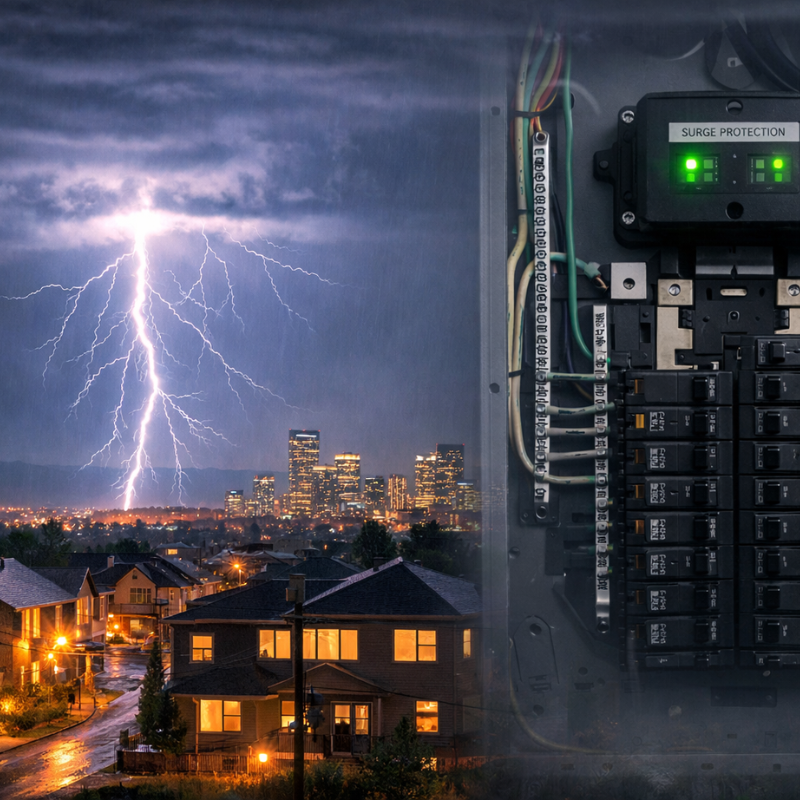
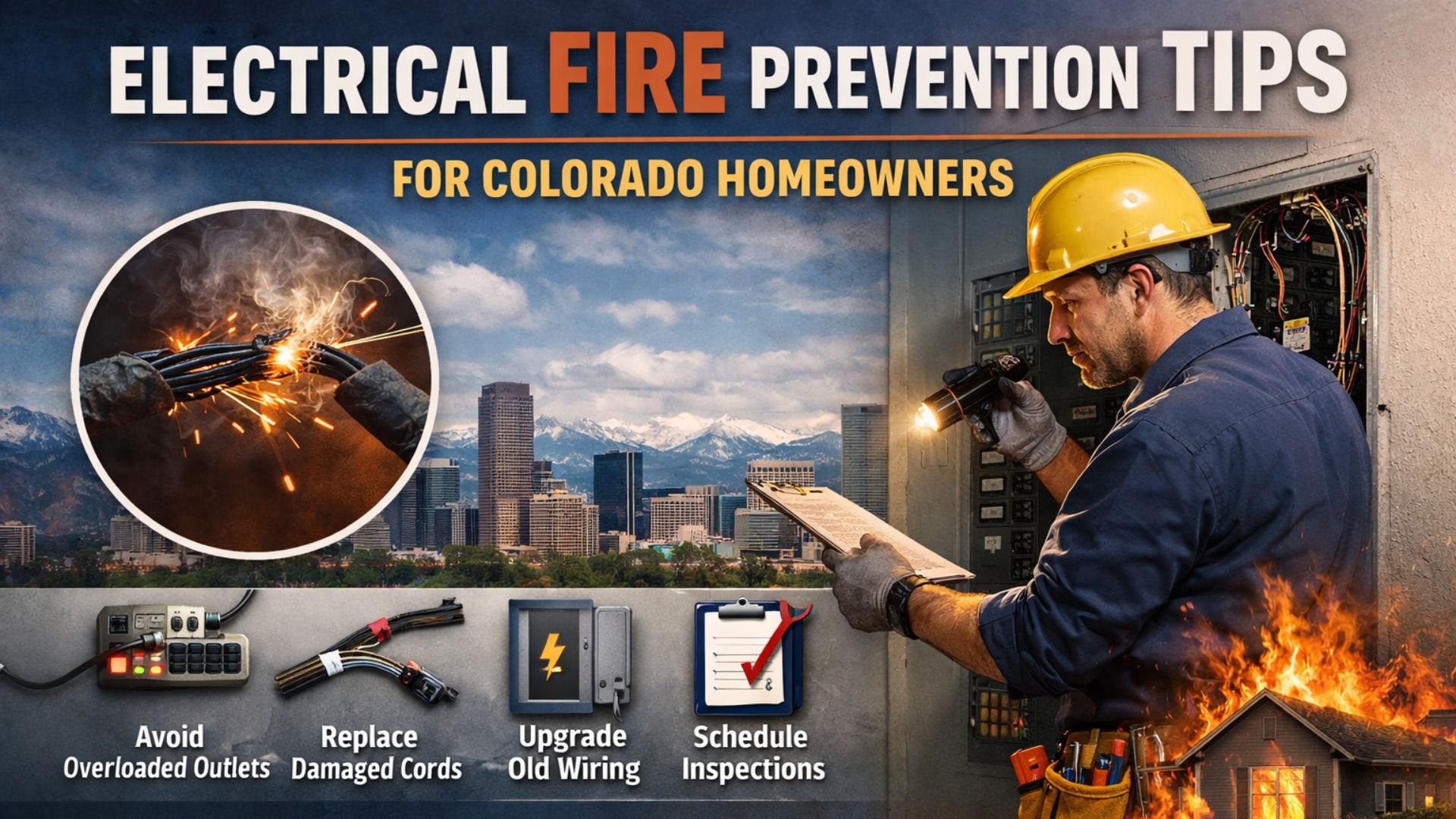
Many homes across Colorado, especially in Denver, Aurora, Lakewood, and Colorado Springs, were built with electrical panels that were never designed for modern power demands. Cold winters, EV charging, home offices, and newer appliances place added stress on older panels and breakers.
If you are noticing frequent breaker trips, buzzing sounds, or planning an upgrade like an EV charger or heat pump, a licensed Colorado electrician can evaluate whether your panel needs repairs or a full power upgrade.