
Power outages in Denver are more than an inconvenience. During winter storms, they can quickly become dangerous. Freezing temperatures, loss of heat, and food spoilage can all happen within hours.
More homeowners now invest in generator installation Denver services to secure reliable backup power when it matters most.
This guide covers everything you need to know. You will learn how to choose the right generator, understand the installation process, review permit requirements, estimate installation cost, and see why backup power is essential in Colorado.
⚡ Key Denver Power Outage Facts
Colorado ranks in the top 15 states for annual power outages. Denver’s Front Range location makes it especially vulnerable to high-wind events, heavy snow loads on lines, and lightning-induced surges. The average Denver outage lasts 2–4 hours — but major weather events can cause multi-day blackouts that no portable generator can reliably handle.
Why Denver Homes Need Backup Power
Denver weather is unpredictable. Snowstorms, ice, and wind often damage power lines and disrupt the electrical system.
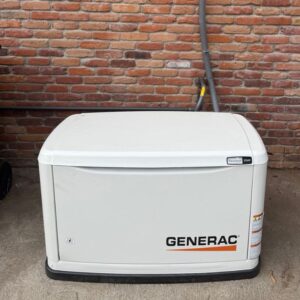
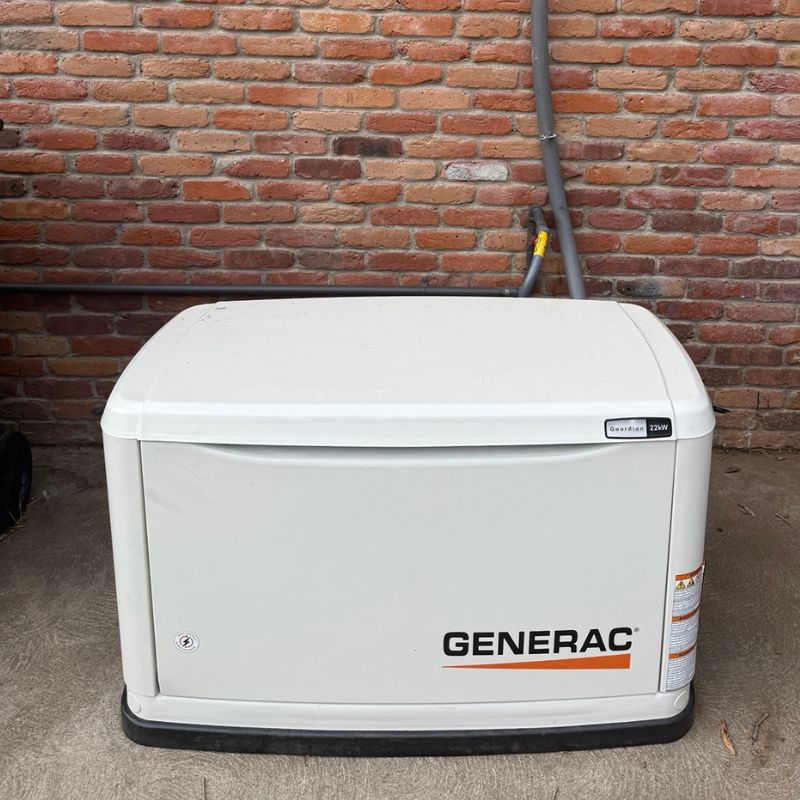
A whole home generator keeps your house running during outages. Unlike portable generators, these systems turn on automatically and power your entire home.
Here is why homeowners choose whole house generator installation:
- Winter storms cause frequent power outages
- Heating systems stop working without electricity
- Frozen pipes can lead to expensive repairs
- Remote work requires reliable power
- Medical devices need uninterrupted electricity
A backup generator protects your home and provides true peace of mind.
⚠️ Denver’s Biggest Power Outage Threats
| Threat | Season | Risk Level |
|---|---|---|
| Heavy Snowstorms & Blizzards | Oct – Apr | High |
| Summer Thunderstorms & Lightning | Jun – Sep | High |
| High-Wind Events (Chinook) | Year-round | Medium–High |
| Grid Infrastructure Stress | Summer peaks | Medium |
What Is a Whole Home Generator
A whole home generator, also known as a backup generator or house generator, is permanently installed outside your home. It connects directly to your electrical panel and fuel source.
When power goes out, the automatic transfer switch activates the generator within seconds. When utility power returns, the system switches back safely.
Most home standby generators run on a natural gas line or connect to a propane tank. This makes them more reliable than portable generators, which require manual setup and fuel.
🔋 Standby vs. Portable Generator — Side by Side
| Feature | Standby | Portable |
|---|---|---|
| Automatic start | ✓ Yes | ✗ No |
| Whole-home coverage | ✓ Yes | ✗ Limited |
| Fuel source | Natural gas / Propane | Gasoline (store & rotate) |
| Typical lifespan | 20–25 years | 5–10 years |
| Installed cost | $8,000–$20,000+ | $500–$3,000 |
How to Choose the Right Generator Size
Generator sizing is critical. If the unit is too small, it will not support your home. If it is too large, you will pay more than necessary.
Key factors that affect sizing
- Home size and layout
- Appliances and power generators in use
- Heating and cooling systems
- Electric vehicle chargers
- Desired level of backup power
Typical generator range for Denver homes
| Home Size | Recommended Size | What It Powers | Est. Investment |
|---|---|---|---|
| Under 1,500 sq ft | 14–17 kW | Whole home (most setups) | $7,500–$12,000 |
| 1,500–2,500 sq ft | 20–22 kW | Whole home including A/C | $12,000–$18,000 |
| 2,500–3,500 sq ft | 24–26 kW | Whole home + EV charger | $13,000–$25,000 |
| 3,500+ sq ft | 30–45+ kW | Full estate / all loads | $18,000–$30,000+ |
- 10 to 14 kW: Essential circuits only
- 16 to 22 kW: Most systems covered
- 24 kW and above: Full home coverage
An electrician will calculate your load to match the right type of generator to your home.
Whole House Generator Installation Process
Whole house generator installation requires planning, permits, and professional electrical work.
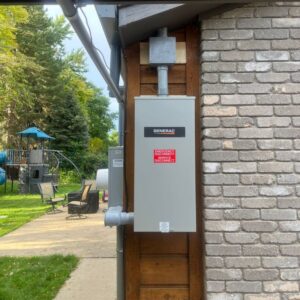
1. Home evaluation
A licensed electrician reviews your electrical system, panel capacity, and energy usage.
2. Generator selection
You choose a system based on your needs, budget, and generator range.
3. Site preparation
Technicians place the generator on a concrete pad outside your home. They follow clearance rules and safety guidelines.
4. Electrical connection
The electrician installs an automatic transfer switch and connects the generator to your electrical panel.
5. Fuel connection
A professional connects the unit to a natural gas line or propane tank.
6. Testing
The team tests the system to confirm it works properly during power outages.
Permits and Code Requirements in Denver
Home generator installation must meet local codes and safety standards.
Common requirements include
- Electrical permits for panel work
- Gas permits for fuel connections
- Placement rules for safety and airflow
- Compliance with the National Electric Code
Working with a licensed electrician ensures your installation passes inspection and operates safely.
Generator Installation Cost in Denver
The installation cost depends on your home, system size, and site conditions.
Typical cost breakdown
Installation costs vary based on generator size, site conditions, and additional electrical or gas work required. Here’s a realistic cost breakdown for Denver homeowners:
| Cost Component | Typical Range | Notes |
|---|---|---|
| Generator Unit (14–22 kW) | $7,500–$18,000 | Generac, Kohler, or Briggs & Stratton |
| Automatic Transfer Switch | $500–$2,000 | ATS strongly preferred for standby |
| Concrete Pad & Site Prep | $300–$800 | Required by Denver code |
| Electrical & Gas Labor | $1,500–$3,500 | Varies with panel & gas line distance |
| Permits & Inspections | $300–$600 | Included in our quotes |
| Total Investment (14–22 kW) | $8,000–$20,000+ | For most Denver homes |
Total investment
Most homeowners spend between $8,000 and $20,000 on whole house generator installation.
Factors that affect cost
- Distance to gas line
- Electrical panel upgrades
- Trenching and site work
- Type of generator selected
Although the upfront cost is significant, a backup generator protects your home and reduces long term risks.
💰 The Real ROI of a Standby Generator
Research by Remodeling Magazine shows standby generators consistently add 3–5% to a home’s resale value — typically $15,000–$25,000 on a Denver-area home. Combined with insurance discounts offered by many carriers for whole-home backup systems, the real cost of ownership is often significantly lower than the upfront investment suggests.
Benefits of a Backup Generator
Installing a whole home generator offers several advantages.
Reliable backup power
Your home stays operational during outages.
Peace of mind
You know your home is protected during emergencies.
Protection from damage
Avoid frozen pipes and system failures.
Convenience
The system operates automatically without manual setup.
Increased home value
Buyers see home standby generators as a premium feature.
Generator Maintenance and Safety
Regular generator maintenance keeps your system reliable.
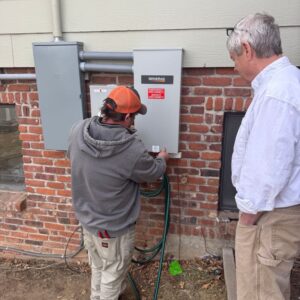
Maintenance tasks include
- Oil and filter changes
- System testing
- Battery checks
- Fuel system inspection
Proper maintenance also reduces risks like carbon monoxide exposure. Always install generators outdoors and follow safety guidelines.
Common Questions About Generator Installation Denver
How long does installation take
Most projects take one to three days.
Can it power the entire house
Yes, if properly sized.
Is natural gas or propane better
Natural gas is more common. Propane works well if gas service is unavailable.
Do I still need portable generators
No. A whole home generator replaces portable generators entirely.
Why Professional Installation Matters
Generator installation involves electrical work, fuel systems, and safety regulations.
A licensed electrician ensures:
- Safe installation
- Proper wiring
- Code compliance
- Reliable performance
Incorrect installation can lead to electrical hazards and carbon monoxide risks.
Final Thoughts
Power outages in Denver are unpredictable, especially during winter storms. A whole home generator keeps your home safe, warm, and functional.
Investing in generator installation Denver services gives you reliable backup power and lasting peace of mind.
If you are ready to install a home standby generator, schedule a professional evaluation. An experienced electrician will help you choose the right system and complete a safe, code compliant installation.
Related Posts
If you enjoyed reading this, then please explore our other articles below:

Electrical Panels in Colorado Homes
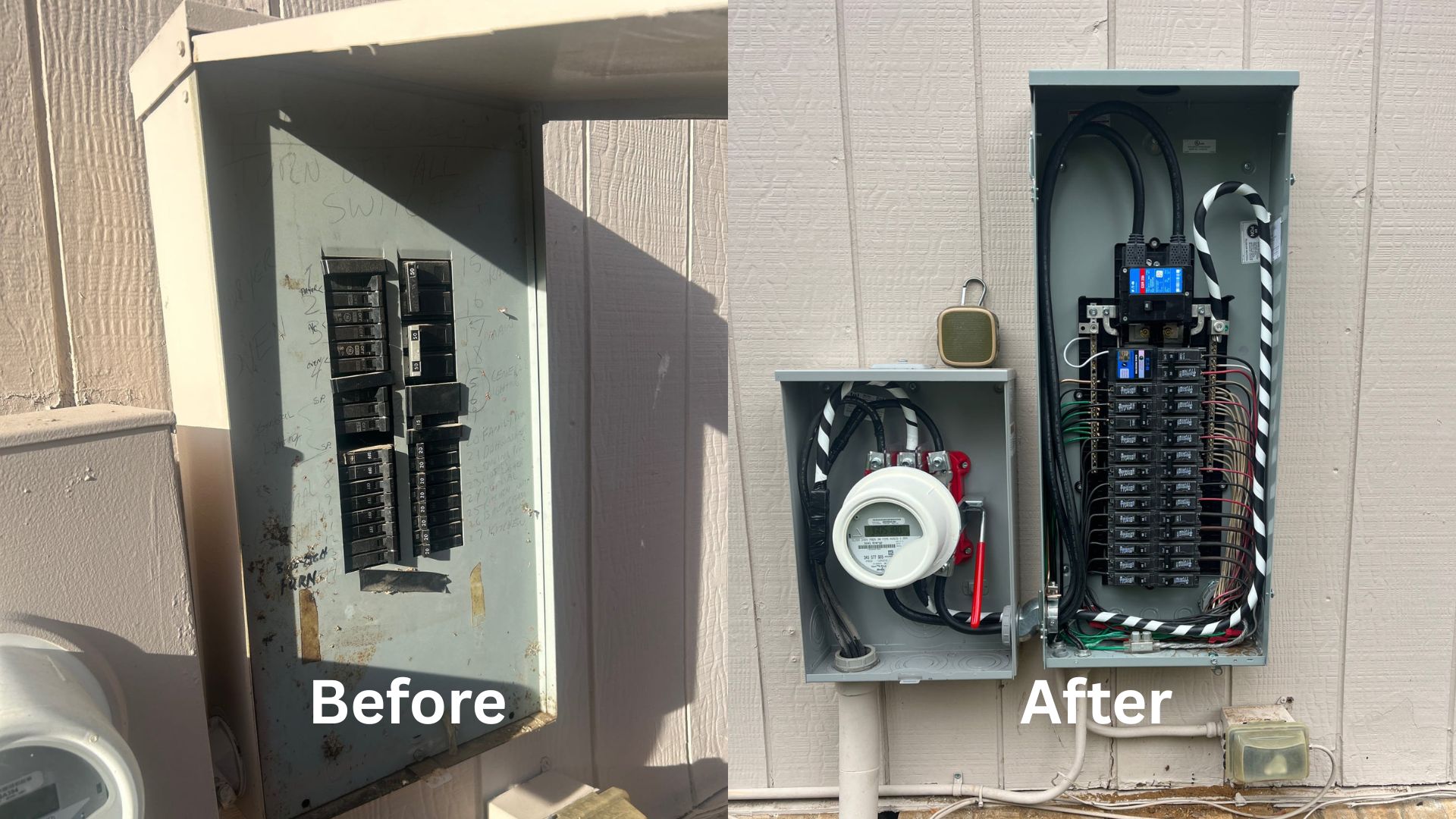
Many homes across Colorado, especially in Denver, Aurora, Lakewood, and Colorado Springs, were built with electrical panels that were never designed for modern power demands. Cold winters, EV charging, home offices, and newer appliances place added stress on older panels and breakers.
If you are noticing frequent breaker trips, buzzing sounds, or planning an upgrade like an EV charger or heat pump, a licensed Colorado electrician can evaluate whether your panel needs repairs or a full power upgrade.