Most homeowners never think about their home’s electrical system until breakers trip or the lights flicker.
But today’s Colorado homes use far more electricity than homes built just twenty years ago. Between EV chargers, central air conditioning, electric ranges, large home offices, and major appliances running at the same time, electrical demand has increased dramatically.
That is why understanding your electrical load capacity matters.
If you are wondering:
- How many amps do I need in my house?
- How many amps does a 2000 sq ft house need?
- Is 125 amp service enough for a house?
- How can I tell if I have 100 or 200 amp service?
You are asking the right questions.
Let’s break it down clearly so you can determine whether your electrical service supports your lifestyle safely and efficiently.
What Is Electrical Load Capacity?
Electrical load capacity describes how much electricity your service panels can safely deliver at one time. Electricians measure electrical capacity in amps.
Your main breaker rating controls the total electrical service flowing into your home. Common residential sizes include:
- 100 amp
- 125 amp
- 150 amp
- 200-amp service
- 400 amp for a large home
Think of your electrical systems like a highway. Higher amp ratings allow more electricity to flow without congestion, overheating, or tripped breakers.
When electrical demand exceeds your panel’s rating, breakers trip to prevent overheating and reduce the risk of electrical fires. Those tripped breakers are safety devices doing their job. However, frequent trips often signal that your electrical capacity no longer matches your needs.
How Electrical Systems Work in Modern Homes
Most lighting and general outlets operate at 120 volts. Larger major appliances such as dryers, ovens, water heaters, and EV chargers operate at 240 volts.
Kitchens, bathrooms, and laundry areas typically run on dedicated 20 amp circuits to safely handle heavier loads. General living areas often use 15 amp circuits.
Your electrical service determines how many of these circuits your home’s electrical system can support at one time.
Homes built decades ago rarely anticipated electric vehicle charging or all-electric heating systems. As a result, many older homes across Colorado still operate on 100 amp service, which may struggle to support modern electrical demand.
How Many Amps Should a Modern House Have?
For most homes in Colorado, 200-amp service is now the standard recommendation.
Why?
Because modern homeowners rely on:
- Central air conditioning
- Electric heat pumps
- EV chargers
- Electric water heaters
- Induction cooktops
- Finished basements
- Home offices
- Smart home technology
All-electric homes require 200-amp service to operate safely and efficiently.
Even mixed-fuel homes that use gas for heating often benefit from upgrading. Installing EV chargers alone can consume 30 to 60 amps continuously.
When homeowners ask how many amps does a house use per day, the better question is how many amps does your home draw at peak demand. Licensed electricians size electrical systems based on maximum simultaneous load, not daily totals.
How Many Amps Does a 2000 Sq Ft House Need?
A typical 2,000 square foot home in Colorado usually performs best with 200-amp service.
A home of that size often includes:
- Central AC
- Electric laundry equipment
- Kitchen appliances running simultaneously
- Garage circuits
- Outdoor outlets
- Basement circuits
If you add EV chargers or convert to electric heating, 200 amps becomes essential.
In short, 200-amp service gives you room to grow without constantly worrying about electrical capacity limits.
How Big of a House Can a 100 Amp Service Handle?
A 100 amp electrical service can support:
- A small home under 1,500 square feet
- Mostly gas appliances
- Limited electrical upgrades
- Minimal future expansion
However, once homeowners remodel kitchens, finish basements, or add large major appliances, electrical demand increases quickly.
Frequent tripped breakers signal that your service panels may be undersized.
Many older homes in the Denver metro area still operate on 100 amp systems. While they may technically function, they offer little flexibility for modern upgrades.
Is 125 Amp Service Enough for a House?
A 125 amp panel sits between older 100 amp systems and modern 200-amp service.
It may support:
- Mid-sized homes
- Gas heating
- Limited electric upgrades
However, it provides minimal buffer for expansion. If you plan to install EV chargers, add a hot tub, or upgrade to electric heat pumps, you will likely need a service upgrade.
Upgrading once prevents future panel replacements and repeated electrical work.
How Can I Tell If I Have 100 or 200 Amp Service?
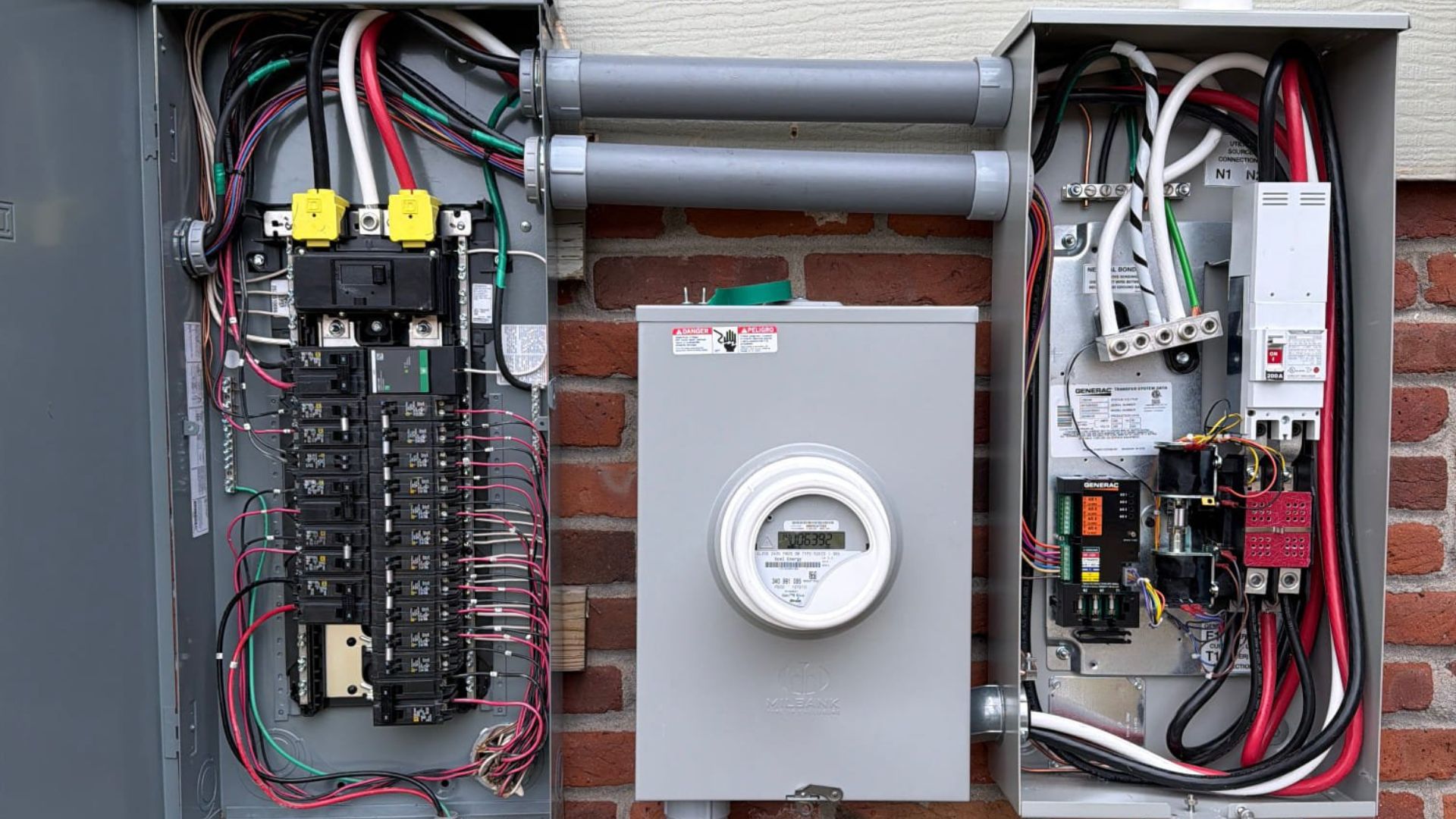
You can usually determine your electrical service size by checking the main breaker rating inside your panel.
Look for a large breaker labeled:
- 100
- 125
- 150
- 200
If you are unsure, a licensed electrician can inspect your service panels and perform a proper load calculation.
At The Electricians, we evaluate your home’s electrical system and determine whether your electrical capacity supports your current and future needs.
Warning Signs Your Electrical Capacity Is Too Low
Watch for these red flags:
- Frequent tripped breakers
- Flickering or dimming lights
- Warm or buzzing panel
- No space for additional circuits
- Extension cords everywhere
- Federal Pacific or Zinsco panels
Certain outdated service panels create documented fire risks. Replacing these panels improves both safety and capacity.
Electrical fires often begin when overloaded circuits overheat behind walls. Do not ignore early warning signs.
If you suspect a problem, contact a licensed electrician immediately.
Electrical Capacity and Emergency Situations
Overloaded electrical systems can escalate quickly. If breakers fail repeatedly or you smell burning insulation, shut off power and call for emergency service.
As one of the best emergency electricians in the Denver metro area, The Electricians respond quickly to panel overloads, unsafe wiring, and urgent electrical service issues.
We protect your home and restore safe power fast.
Internal link suggestion: Emergency Electrician Denver
Internal link suggestion: Electrical Panel Upgrades
Internal link suggestion: Replacing Federal Pacific or Zinsco Panels
Planning for the Future in Colorado
Colorado homeowners increasingly install:
- EV chargers
- Solar systems
- Heat pumps
- Electric vehicle fleets
- Home additions
Your home’s electrical system must support both present and future electrical demand.
Even if your current setup works, upgrading during a remodel or addition saves money long term. Running new service later costs more than upgrading proactively.
How We Calculate the Right Electrical Load Capacity
Licensed electricians follow National Electrical Code load calculation formulas. We evaluate:
- Square footage
- Major appliances
- HVAC systems
- Electric heating loads
- 240 volt equipment
- Dedicated 20 amp circuits
- Garage and outdoor circuits
- Future upgrades
This process ensures your electrical service matches your home’s real-world electrical demand.
For many Colorado homes, 200-amp service strikes the perfect balance between safety, flexibility, and future readiness.
Larger properties or luxury homes may require 400 amp service.
Frequently Asked Questions
How many amps does a 2000 sq ft house need?
Most 2,000 square foot homes in Colorado require 200-amp service, especially if they include central AC, electric appliances, or EV chargers.
How big of a house can a 100 amp service handle?
A 100 amp service typically supports smaller homes under 1,500 square feet with mostly gas appliances and limited expansion.
Is 125 amp service enough for a house?
It may work for moderate electrical demand, but it offers limited room for future upgrades.
How many amps should a modern house have?
Most modern homes should have at least 200-amp service to handle current electrical systems and future expansion.
How many amps does a house use per day?
Homes do not use amps per day. Electricians design electrical systems to handle peak demand at one time.
What are the standard amps for house outlet circuits?
General outlets typically run on 15 amp circuits. Kitchens, bathrooms, and laundry rooms use dedicated 20 amp circuits. Major appliances often operate at 240 volts.
Final Thoughts: Is Your Electrical Service Holding You Back?
Your home’s electrical system powers everything from your refrigerator to your EV charger.
If your electrical capacity is outdated or undersized, you risk inconvenience, reduced home value, and even electrical fires.
Many older homes across Colorado still rely on 100 amp service. While it may function, it rarely supports modern lifestyles comfortably.
Upgrading to 200-amp service increases safety, flexibility, and peace of mind.
If you are unsure whether your electrical service meets today’s standards, let our team evaluate it.
The Electricians proudly serve homeowners throughout the Denver metro area with panel upgrades, load calculations, and emergency electrical service.
Schedule a free estimate today and ensure your home’s electrical system is ready for the way you live now and in the future.
Related Posts
If you enjoyed reading this, then please explore our other articles below:
Electrical Panels in Colorado Homes
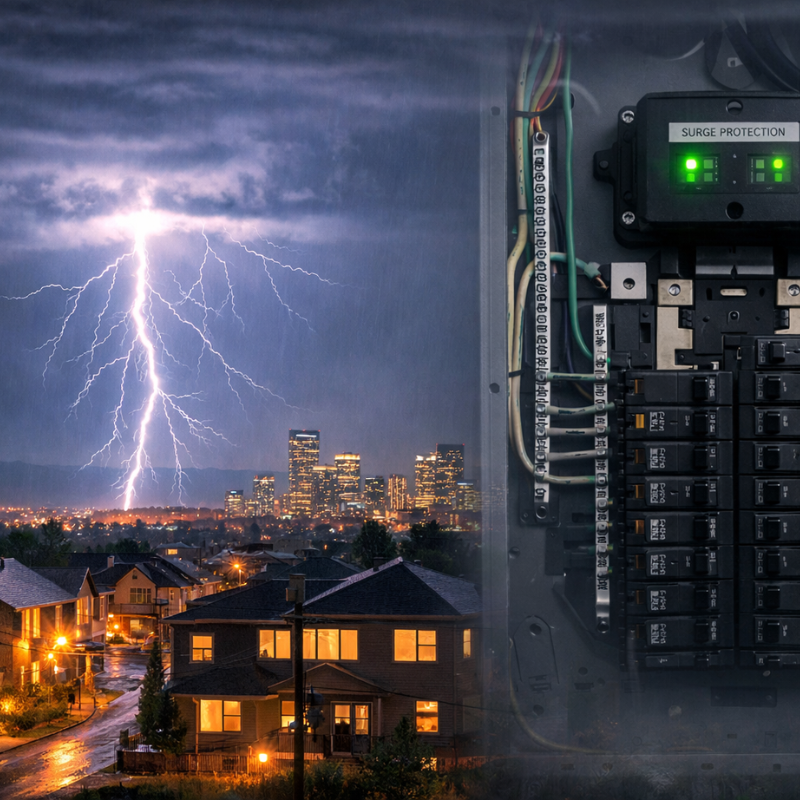
Many homes across Colorado, especially in Denver, Aurora, Lakewood, and Colorado Springs, were built with electrical panels that were never designed for modern power demands. Cold winters, EV charging, home offices, and newer appliances place added stress on older panels and breakers.
If you are noticing frequent breaker trips, buzzing sounds, or planning an upgrade like an EV charger or heat pump, a licensed Colorado electrician can evaluate whether your panel needs repairs or a full power upgrade.