
Whole House Fan vs Air Conditioner: Which Is Better for Your Home?
When it comes to cooling your home, most homeowners immediately think of central air conditioning. But there is another powerful, energy efficient option that is gaining popularity across Colorado: the whole house fan.
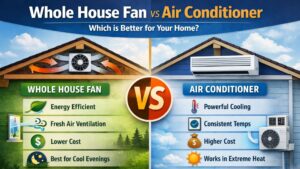
If you have been researching a QuietCool whole house fan, you may be wondering how it compares to a traditional air conditioning system.
The truth is, these two systems work very differently and understanding those differences can help you make a smarter decision for your home, comfort, and energy costs.
This guide breaks down how each system works, their pros and cons, and which option makes the most sense for Colorado homeowners.
What Is the Difference Between a Whole House Fan and AC?
A whole house fan and an air conditioner both cool your home, but they do it in completely different ways.
A whole house fan pulls cool outdoor air into your home and pushes hot indoor air out through the attic space using natural ventilation. It relies on natural airflow and temperature differences.
An air conditioner cools your home by recirculating indoor air, removing heat using refrigerant, and pushing cooled air back through your ductwork.
In simple terms:
- Whole house fan = ventilation and fresh air cooling
- Air conditioner = mechanical cooling and air recirculation
How a Whole House Fan Works
A whole house fan system like QuietCool uses your attic as an exhaust system.
Here is how a whole house fan works:
- You open a few windows in your home
- The fan turns on and pulls cool air inside
- Hot air gets pushed up into the attic
- The attic vents release that hot air outside
Within minutes, your home can feel significantly cooler.
This process relies on proper attic ventilation and is what makes systems like a QuietCool whole house fan so effective.
This works especially well in Colorado because temperatures drop quickly in the evening. That creates the perfect environment for natural cooling.
As explained in your QuietCool guide, this process can cool a home in just a few minutes while dramatically reducing reliance on air conditioning .
How Air Conditioning Works
Air conditioning systems rely on a closed loop process.
They:
- Pull warm indoor air into the system
- Remove heat using refrigerant
- Push cooled air back through vents
- Repeat the cycle continuously
While effective, this process uses significantly more electricity and does not bring in fresh air.
Instead, it continuously recycles the same indoor air.
Energy Efficiency Comparison
One of the biggest differences between these systems is energy usage.
Whole House Fan Energy Use
Whole house fans use a fraction of the electricity compared to air conditioning.
- Typically 100 to 600 watts depending on size
- Can reduce AC usage by up to 90 percent
- Lower monthly electricity costs
Air Conditioner Energy Use
Air conditioners are one of the most energy-intensive systems in your home.
- Typically 2000 to 5000 watts or more
- Runs for long periods during hot days
- Significantly increases electricity costs
For homeowners looking to save money and reduce energy consumption, whole house fans offer a clear advantage.
Learning how to operate a whole house fan correctly ensures maximum cooling and efficiency.

Cost Comparison
Installation Cost
Whole house fan installation is typically much more affordable than installing a full air conditioning system.
- Whole house fan: about $1,500 to $3,000 installed
- Central AC system: $5,000 to $15,000+ depending on size
Operating Cost
This is where the difference becomes even more noticeable.
- Whole house fan: very low operating cost
- Air conditioning: high monthly utility bills during summer
Over time, many homeowners see a fast return on investment with a whole house fan due to reduced cooling expenses.
Cooling Performance
Whole House Fan Performance
Whole house fans excel at:
- Quickly cooling your home in the evening
- Flushing out hot, stale air
- Bringing in fresh outdoor air
- Creating a natural breeze throughout the house
However, they depend on outdoor temperatures. If it is hotter outside than inside, they are less effective.
Air Conditioner Performance
Air conditioners are better for:
- Cooling during peak daytime heat
- Maintaining a consistent indoor temperature
- Working regardless of outdoor conditions
They provide more controlled cooling but at a higher energy cost.
The system uses your attic space as a pathway to remove heat quickly and efficiently.
Air Quality Differences
This is an area where whole house fans stand out.
Whole House Fan Benefits
- Constant fresh air circulation
- Removes indoor pollutants
- Reduces stale air and odors
- Can help improve indoor comfort
Air Conditioner Limitations
- Recirculates the same indoor air
- Can trap dust, allergens, and pollutants
- Requires filter maintenance to stay effective
For homeowners concerned about indoor air quality, whole house fans provide a noticeable improvement.

Noise Comparison
Older attic fans were known for being loud, but modern systems like QuietCool have changed that.
- QuietCool fans can operate as low as 30 decibels
- Air conditioners vary but can be louder, especially older units
Today’s whole house fans are designed to be quiet enough for everyday use, even at night.
When a Whole House Fan Is the Better Choice
A whole house fan is ideal if:
- You live in a climate with cool evenings like Colorado
- You want to reduce your energy bills
- You prefer fresh air over recirculated air
- You want fast cooling without running AC all day
Many homeowners use it in the evening and early morning to naturally cool their home.
When Air Conditioning Is the Better Choice
Air conditioning is the better option if:
- You need cooling during extremely hot daytime temperatures
- You want consistent indoor temperature control
- You live in a humid or consistently hot climate
For many homes, AC is still necessary during peak summer heat.
The Best Solution: Using Both Together
The smartest approach is often not choosing one over the other, but using both systems strategically.
Here is how many Colorado homeowners maximize efficiency:
- Use a whole house fan in the evening and morning
- Turn off AC when outdoor air is cooler
- Use AC only during the hottest part of the day
This hybrid approach reduces energy use while keeping your home comfortable around the clock.
Why Whole House Fans Are Perfect for Colorado
Colorado’s climate makes whole house fans especially effective.
Cool evenings allow you to:
- Rapidly cool your home after sunset
- Avoid running AC overnight
- Reduce energy costs significantly
That is why more homeowners are turning to systems like QuietCool as a smarter alternative to traditional cooling.
Final Thoughts
When comparing a whole house fan vs air conditioner, the answer is not always one or the other.
Whole house fans offer:
- Lower energy costs
- Faster cooling during ideal conditions
- Better air quality
- Long term savings
Air conditioners provide:
- Consistent cooling
- Performance during extreme heat
- Full temperature control
For most Colorado homes, combining both systems delivers the best results.
If you are exploring a QuietCool whole house fan, it can be one of the most cost effective upgrades you make for comfort, efficiency, and long term savings.
Contact your licensed Denver electricians today.
Related Posts
If you enjoyed reading this, then please explore our other articles below:

Electrical Panels in Colorado Homes
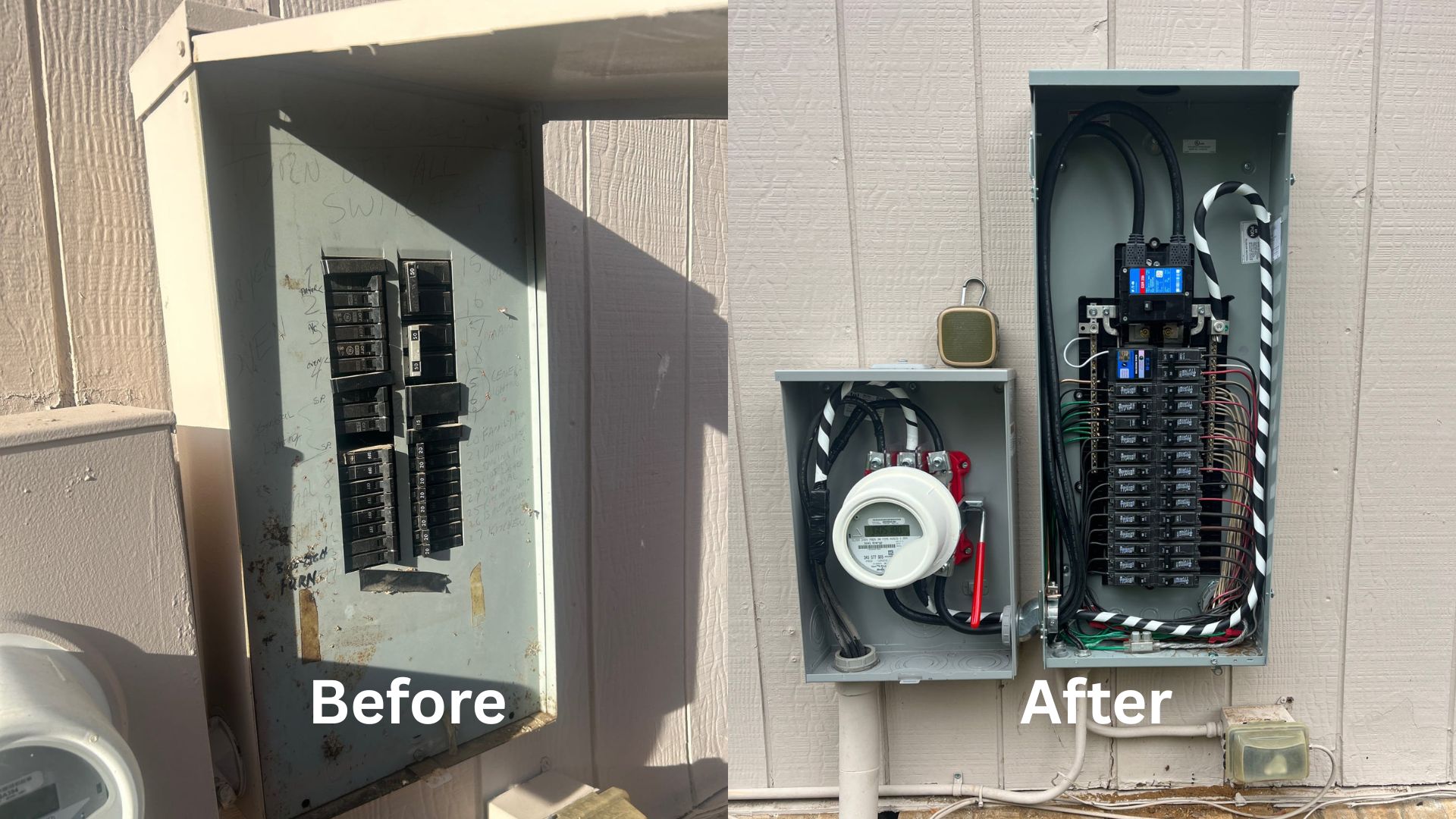
Many homes across Colorado, especially in Denver, Aurora, Lakewood, and Colorado Springs, were built with electrical panels that were never designed for modern power demands. Cold winters, EV charging, home offices, and newer appliances place added stress on older panels and breakers.
If you are noticing frequent breaker trips, buzzing sounds, or planning an upgrade like an EV charger or heat pump, a licensed Colorado electrician can evaluate whether your panel needs repairs or a full power upgrade.