Contents
- Understanding Electrical Outlet Sparks
- Common Causes of Outlet Sparks
- When Is a Spark Normal?
- Warning Signs of Dangerous Outlet Sparks
- What to Do If You Notice a Spark
- Electrical Safety Tips for Homeowners
- Preventing Outlet Sparks: Maintenance and Upgrades
- When to Call a Licensed Electrician
- Frequently Asked Questions About Outlet Sparks
- Stay Safe and Proactive
Trusted Colorado Electricians
Electrical outlet sparks can be alarming. They often signal underlying issues that need attention. Understanding why outlets spark is crucial for home safety.
Sparks can indicate serious electrical problems. These issues can lead to fires if not addressed. Knowing the causes helps in preventing hazards.
Common causes include short circuits and overloaded circuits. Faulty wiring and loose connections also contribute. Each cause poses unique risks.

Regular maintenance can prevent sparks. Simple checks can identify potential problems early. This proactive approach enhances safety.
Electrical safety tips are essential for every household. They guide you in maintaining a safe environment. Awareness and action are key.
This guide will explore common causes of outlet sparks. It will also provide practical safety tips. Stay informed to protect your home.
Understanding Electrical Outlet Sparks
Electrical outlet sparks are more than just brief flashes. They can be signs of deeper issues needing your attention. Knowing how they occur is essential.
Sparks result from an electrical discharge. This happens when electricity jumps a gap in a circuit. Such events can be harmless or indicate danger.
Not all sparks are threats. However, frequent or intense sparks warrant investigation. It’s important to know the difference.
Typically, common spark causes involve:
- Short circuits
- Overloaded circuits
- Faulty wiring
- Loose connections
These factors can affect the safety of your home. Ignoring them puts your property at risk.
By understanding these sparks, you can make informed decisions. Prioritizing electrical safety is crucial for protection. This knowledge empowers you to take action.
Common Causes of Outlet Sparks
Understanding what leads to electrical outlet sparks helps prevent potential hazards. Several factors contribute to this issue, each requiring attention.
Short circuits are a primary concern. They occur when electricity follows an unintended path. This can cause immediate sparking.
Overloading is another frequent problem. It happens when too many devices draw power from one outlet. This stress exceeds outlet capacity, leading to sparks.
Faulty or aging wiring poses significant risks. Old wiring or poor installations can easily spark, creating danger. Loose connections can also be culprits. Unsecured wiring within an outlet often results in undesirable sparks.
Furthermore, moisture near outlets invites trouble. Water conducts electricity and can cause alarming sparks.
Finally, damaged cords contribute to sparking. Frayed wires disrupt normal electricity flow, causing sparks. Recognizing these causes enables effective prevention. Regular checks and professional help can mitigate risks.
Short Circuits
Short circuits occur when a hot wire contacts a neutral wire. This results in an immediate surge of electricity. The sudden flow causes sparks.
These circuits can damage your home’s electrical system. They often occur due to worn-out wire insulation or faulty devices. Addressing short circuits promptly prevents severe consequences. Regular electrical inspections are vital to detect them early.
Overloaded Circuits
Overloaded circuits arise when an outlet bears too much load. They struggle to handle the demand, resulting in sparks.
This happens when multiple high-watt devices share one outlet. Plugging too many devices causes overheating and sparks. Managing electrical load distribution prevents overloads. Be mindful of wattage limits for each outlet in your home.
Faulty or Aging Wiring
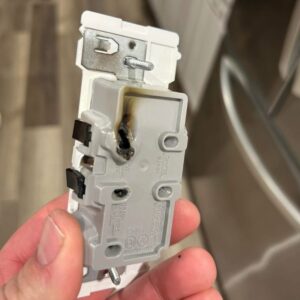
Old or incorrectly installed wiring can frequently spark. These wires may have degraded insulation, making them vulnerable. When the insulation fails, exposed wires can lead to sparking. This poses a serious fire risk in your home.
Updating faulty wiring is vital for safety. Routinely inspect and replace aging electrical systems to prevent sparks.
Loose Connections
Loose connections inside an outlet can be problematic. They hinder the flow of electricity, causing unstable circuits.
Such instability often results in sparking. Vibrations or impacts can worsen the situation by shifting wires. Ensuring all connections are secure minimizes the risk. Regular checks keep these problems at bay.
Moisture and Water Exposure
Moisture can cause severe sparks. Water conducts electricity, leading to dangerous situations when near outlets.
Bathrooms and kitchens are especially vulnerable to this issue. Ensuring outlets are dry is crucial for safety. Using waterproof covers in moisture-prone areas helps. These additions can significantly reduce sparking risks.
Damaged or Frayed Cords
Frayed cords disrupt electrical flow, causing sparks. Their damaged insulation exposes wires, creating hazards.
Using such cords increases the risk of electrical issues. The exposed wires can lead to short circuits and overheating. Replace damaged cords as soon as possible. Ensuring cords are intact maintains safety and prevents sparking.
When Is a Spark Normal?
Not all sparks signal danger. Some can be harmless, occurring during normal outlet use.
A small spark may appear when plugging in a device. This quick spark happens as the plug’s metal prongs make contact.
To distinguish between normal and abnormal sparks, consider these points:
- Duration: Normal sparks are brief and fleeting.
- Sound: They usually lack a buzzing or crackling noise.
- Frequency: Occasional sparks are less concerning than regular ones.
Understanding these characteristics helps identify harmless sparks. If sparks become frequent, further inspection is advisable.
Warning Signs of Dangerous Outlet Sparks
Dangerous sparks can pose significant risks to home safety. Recognizing the warning signs helps mitigate potential hazards.
Be alert to outlets that emit burning smells or show discoloration. This signals overheating, which could lead to fires.
Watch for sparks accompanied by unusual sounds, such as buzzing or crackling. Such signs often indicate serious electrical issues. Frequent tripping of circuit breakers due to sparking signals a persistent problem needing immediate attention.

Key warning signs of dangerous sparks include:
- Burning odors
- Discoloration
- Unusual noises
- Circuit breaker trips
If these signs appear, prioritize safety and consult an expert to prevent electrical dangers.
What to Do If You Notice a Spark
If you notice a spark from an outlet, stay calm but act quickly. Immediate action can prevent bigger issues.
First, unplug any devices connected to the sparking outlet. This reduces the risk of further electrical problems.
If the circuit breaker trips, reset it. Then, observe if the spark reoccurs. Continuous issues require professional advice.
Steps to follow when you see a spark:
- Unplug devices
- Check the circuit breaker
- Monitor for reoccurring sparks
For persistent problems, consult a licensed electrician to assess and resolve the situation, ensuring your home remains safe.
Electrical Safety Tips for Homeowners
Ensuring electrical safety at home is crucial for preventing fires and accidents. Simple precautions can make a significant impact. Always use appliances that meet safety standards. This minimizes the risk of malfunctions and hazards.
Regular maintenance of your home’s electrical system can uncover hidden issues. This proactive approach is invaluable.
Key safety tips include:
- Install GFCI outlets in areas prone to moisture
- Avoid overloading circuits
- Use surge protectors
Childproof outlets are essential in homes with children. They prevent accidental insertion of objects.
Educate your family about electrical safety practices. Awareness is your best defense against potential dangers. Implement these tips to create a safer living environment for everyone.
Preventing Outlet Sparks: Maintenance and Upgrades
Preventing outlet sparks involves regular maintenance and timely upgrades. These actions ensure electrical safety and reliability. Regularly check outlets for signs of wear or damage. Promptly address any concerns to avoid potential hazards.
Updating older electrical systems can prevent sparking. Outdated wiring may not handle modern electrical loads efficiently.
Maintenance checklist:
- Inspect outlets for cracks
- Tighten loose connections
- Replace aging components
Upgrading to three-prong outlets enhances grounding. This reduces the risk of electrical shocks and sparks. Investing in home electrical maintenance ensures long-term safety and peace of mind.
When to Call a Licensed Electrician
There are times when professional help is essential. If you notice frequent sparking or burning smells around outlets, call an electrician.
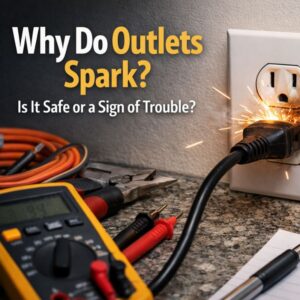
Attempting DIY fixes for electrical issues can be dangerous. Professional electricians ensure safety by diagnosing and fixing problems correctly. Always prioritize calling a licensed electrician when unsure about the severity of an electrical issue. Their expertise can prevent accidents and ensure your home’s electrical system functions safely.
Frequently Asked Questions About Outlet Sparks
Many people have concerns about why outlets spark. Here are some frequently asked questions to clarify common doubts.
Is a brief spark when plugging in normal?
Yes, a quick, blue spark can occur and is typically harmless.
What should I do if an outlet sparks often?
Frequent sparking signals a problem. It’s best to contact an electrician.
How can I tell if a spark is dangerous?
Look for signs like burning smells, outlet discoloration, or warm outlets.
Can I fix sparking outlets myself?
DIY attempts can be risky. Always seek professional help when dealing with electrical issues.
Stay Safe and Proactive
Understanding why outlets spark is crucial for home safety. Being aware of potential causes can prevent dangerous situations. Regular maintenance and adhering to electrical safety tips reduce risks. Stay vigilant about any signs of electrical issues at home.
Consulting with professionals ensures problems are resolved correctly. Stay proactive and keep your home safe from electrical hazards.
Related Posts
If you enjoyed reading this, then please explore our other articles below:

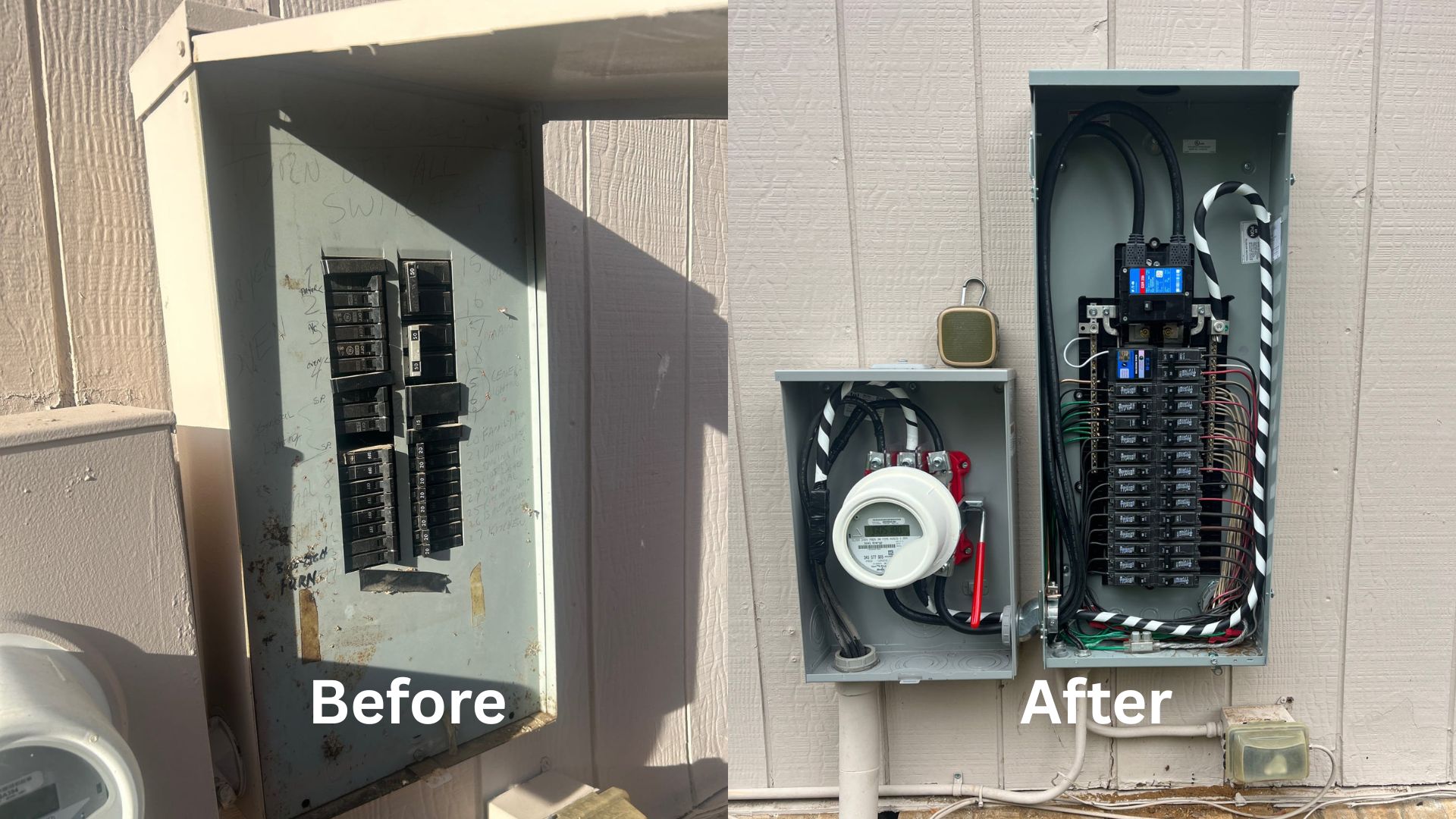
Electrical Panels in Colorado Homes
Many homes across Colorado, especially in Denver, Aurora, Lakewood, and Colorado Springs, were built with electrical panels that were never designed for modern power demands. Cold winters, EV charging, home offices, and newer appliances place added stress on older panels and breakers.
If you are noticing frequent breaker trips, buzzing sounds, or planning an upgrade like an EV charger or heat pump, a licensed Colorado electrician can evaluate whether your panel needs repairs or a full power upgrade.