Contents
- Lights Flickering in House
- Why Are My Lights Flickering in My House?
- Common Causes of Lights Flickering in Houses
- When Is a Flickering Light Bulb Dangerous?
- How to Fix Flickering Lights
- When Flickering Lights Are Not a DIY Fix
- Advanced Electrical Causes of Flickering Lights
- Frequently Asked Questions
- Professional Help for Flickering Lights in Denver
Trusted Colorado Electricians
Lights Flickering in House
Lights flickering in your home may seem like a minor annoyance, but they are often an early warning sign of underlying electrical issues. In some cases, flickering lights are harmless. In others, they can signal serious safety risks that should not be ignored.
If you are asking, “Why are my lights flickering?” or “Is a flickering light bulb dangerous?”, you are not alone. Homeowners across the United States experience this issue, especially in older homes or homes with growing electrical demands.
In this guide, we explain the most common causes of flickering lights, when flickering becomes dangerous, and when it is time to call a licensed electrician.
We also include insights specific to Colorado and Denver-area homes, where weather, aging infrastructure, and modern energy use often contribute to electrical problems.
Why Are My Lights Flickering in My House?
Flickering lights are typically caused by one of the following issues:
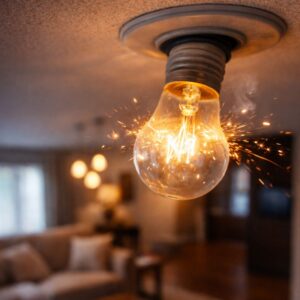
Loose or faulty bulbs
- Incompatible dimmer switches
- Voltage fluctuations
- Overloaded circuits
- Loose wiring or damaged electrical components
- Problems with the electrical panel or main service connection
While a single flickering light may be a simple fix, flickering that affects multiple lights or worsens over time can indicate deeper electrical system problems that require professional attention.
Common Causes of Lights Flickering in Houses
1. Loose or Faulty Light Bulbs
One of the most straightforward reasons for a flickering light bulb is that it’s not screwed in tightly. This often causes inconsistent or occasional flickering, typically from a single fixture.
The fix is simple: turn off the light, wait for it to cool, and tighten the bulb securely. If the issue continues even after tightening or replacing the bulb, the socket or fixture may be faulty.
2. Incompatible Dimmer Switches
Many modern LED lights are not compatible with older dimmer switches. If you notice flickering that only happens when you adjust the brightness, your dimmer switch might be the issue.
The flickering can be more pronounced if other nearby lights are not affected. To resolve this, check the compatibility between your bulbs and dimmer switches. Replacing outdated dimmers with LED-compatible versions typically eliminates the issue.
3. Bulb Type Issues
Some bulb types naturally flicker more than others. This is especially true for older fluorescent bulbs, which may flicker when warming up.
If the flickering persists even when the bulbs are fully warmed up, it’s likely time to switch to higher-quality, modern LED bulbs that are well-matched to your fixtures. This simple upgrade can eliminate most flickering associated with incompatible or inferior bulbs.
4. Loose Light Plug or Outlet Connection
If flickering is limited to a single lamp or plug-in fixture, the issue might lie with the plug or outlet. A loose plug can interrupt the electrical connection, causing intermittent power and flickering.
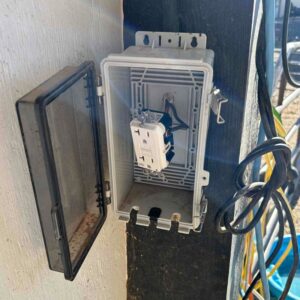
Make sure the plug is inserted firmly into the outlet. If the flickering continues, the outlet may be damaged or worn out and should be inspected by a professional.
5. Circuit Overload or Appliance Interference
Sometimes, flickering happens when large appliances—like an air conditioner or refrigerator—turn on. This could indicate that the appliance is drawing too much current, leading to voltage drops elsewhere on the circuit.
You might notice this flickering in nearby lights or in the same room.
An overloaded circuit or insufficient panel capacity can create this issue. To address it, you’ll need an electrician to evaluate your system and possibly upgrade your electrical panel or redistribute the electrical load.
When Is a Flickering Light Bulb Dangerous?
While some flickering is harmless, others are clear warnings that shouldn’t be ignored. If you notice multiple lights flickering throughout your home, or if the flickering is accompanied by burning smells, buzzing, or sparking, these are serious red flags.
Other signs include bulbs burning out frequently or lights that flicker unpredictably and worsen over time. These symptoms may point to dangerous issues like arcing, faulty wiring, or a bad breaker—each of which can pose a significant fire risk.
Tip: If you experience widespread or persistent flickering, call a licensed electrician immediately. Schedule an inspection with The Electricians to ensure your home is safe.
How to Fix Flickering Lights
If you are wondering how to fix flickering lights, start by identifying whether the problem is limited to one light or affecting multiple areas of your home. Single-fixture flickering is often easy to fix. Widespread flickering usually indicates an electrical system issue that requires professional attention.
Quick Answer: How Do You Fix Flickering Lights?
You can fix flickering lights by tightening or replacing the bulb, checking dimmer switch compatibility, inspecting outlets and plugs, and identifying overloaded circuits. If flickering affects multiple lights or continues after basic checks, a licensed electrician should inspect the electrical panel and wiring.
Step-by-Step: How to Fix Flickering Lights at Home
Step 1: Check if the flickering is isolated
- If only one light flickers, the problem is likely the bulb, fixture, or switch.
- If multiple lights flicker, the issue is usually electrical and more serious.

Step 2: Tighten or replace the bulb
- Turn the light off and let the bulb cool.
- Tighten it securely or replace it with a new, high-quality LED bulb.
Step 3: Test the dimmer switch
- If flickering happens when dimming, the switch may not be LED compatible.
- Replace outdated dimmers with LED-rated dimmer switches.
Step 4: Inspect plug-in fixtures and outlets
- Make sure lamps are plugged in securely.
- Try a different outlet to see if flickering stops.
- Loose or worn outlets should be repaired by an electrician.
Step 5: Watch for appliance-related flickering
- If lights flicker when large appliances turn on, the circuit may be overloaded.
- This is common in older homes and often requires circuit redistribution or a panel upgrade.
Step 6: Check the breaker panel
- Flickering in multiple rooms may be caused by loose breakers or failing panel components.
- Panel issues should only be inspected and repaired by a licensed electrician.
When Flickering Lights Are Not a DIY Fix
Flickering lights are not a DIY issue if:
- Multiple lights flicker throughout the house
- Flickering is getting worse over time
- Lights dim or brighten unexpectedly
- Breakers trip frequently
These signs point to wiring issues, voltage problems, or panel failure.
Advanced Electrical Causes of Flickering Lights
1. Voltage Fluctuations
Fluctuating voltage levels in your home can lead to lights that dim or brighten unexpectedly. You might also notice appliances performing erratically.
These fluctuations may result from issues within your home’s electrical system or from external utility supply problems. Measuring the voltage levels at your outlets is essential, and a licensed electrician has the tools to diagnose and correct the issue.
2. Old or Damaged Wiring
In homes that are several decades old, the wiring may have degraded insulation or loose connections. This deterioration can cause resistance and result in consistent flickering in certain rooms.
Such wiring can also lead to arcing, which poses a significant fire hazard. Depending on the condition of your electrical system, a partial or complete rewiring may be recommended. Learn more about our rewiring services.
3. Main Service Connection Problems
When the connection from your home to the utility grid is faulty, it can cause flickering across multiple rooms, or even your entire house.
These issues are often outside the scope of DIY fixes and require collaboration between your electrician and the utility company. The first step is to confirm the cause, and then coordinate repairs with both parties.
4. Breaker Panel Problems
If specific circuits frequently trip or cause flickering in lights connected to them, your breaker panel may be to blame. Faulty breakers or loose connections inside the panel can disrupt the flow of electricity.
An inspection by a licensed electrician will determine whether your panel needs repairs or an upgrade to handle modern electrical loads more efficiently.
Frequently Asked Questions
Why are all the lights in my house flickering?
If all of your lights are flickering, it likely signals a more systemic issue, such as voltage fluctuations, a problem with your main electrical connection, or an issue with your electrical panel. Contact a professional right away to investigate the root cause.
Should I be concerned about lights flickering?
Yes. While some causes of flickering are harmless, others can indicate major electrical problems that pose serious safety risks. Don’t ignore persistent flickering, have your system checked to rule out dangerous conditions.
Can a bad breaker cause lights to flicker?
Definitely. Breakers that are worn or have loose connections can disrupt the flow of electricity, leading to intermittent or erratic lighting behavior. An electrician can test your breakers and replace any faulty ones.
Are flickering lights a fire hazard?
They can be. Flickering that results from arcing, old wiring, or overloaded circuits should be addressed immediately. These issues can escalate and increase the risk of an electrical fire.
Why are my LED lights flickering?
LED lights often flicker due to incompatible dimmers or poor-quality internal drivers. Ensure your dimmer switch is designed for use with LEDs, and opt for higher-quality bulbs for more reliable performance.
Professional Help for Flickering Lights in Denver
If your home’s lights are flickering, do not ignore the warning signs. The issue may be minor, or it could indicate serious electrical risks hidden behind walls or inside your panel.
At The Electricians, we provide professional troubleshooting, electrical safety inspections, breaker panel repairs and upgrades, rewiring services, and lighting system solutions for homeowners throughout Denver and the surrounding Colorado communities.
If your lights are flickering, let a licensed electrician identify the cause and protect your home.
Schedule an inspection today and get peace of mind knowing your electrical system is safe and reliable.
Related Posts
If you enjoyed reading this, then please explore our other articles below:

Electrical Panels in Colorado Homes
Many homes across Colorado, especially in Denver, Aurora, Lakewood, and Colorado Springs, were built with electrical panels that were never designed for modern power demands. Cold winters, EV charging, home offices, and newer appliances place added stress on older panels and breakers.
If you are noticing frequent breaker trips, buzzing sounds, or planning an upgrade like an EV charger or heat pump, a licensed Colorado electrician can evaluate whether your panel needs repairs or a full power upgrade.