Winter in Colorado is beautiful, but it can be tough on your home’s electrical system. In winter, heavy snow, freezing temperatures, holiday lights, and space heaters can cause small electrical problems. These issues can become serious safety hazards.
That is where a proper winter electrical safety checklist comes in.
This guide is for Colorado homeowners. It helps you stay warm, safe, and powered during winter. You can avoid outages and electrical problems.
We will share useful electrical safety tips. These tips come from licensed electricians who work in Colorado homes daily.
And yes, we will keep it helpful, clear, and human. No scare tactics. Just smart preparation.
Why Winter Electrical Safety Matters in Colorado
Colorado winters are not just cold. They are unpredictable. One day it is sunshine, the next day you are dealing with snowstorms, ice buildup, and subzero temperatures.
Winter weather increases electrical risk in several ways:
- Higher electricity demand strains panels and circuits
- Moisture from snow and ice can damage wiring and outdoor components
- Space heaters and portable devices increase fire risk
- Power outages and surges are more common during storms
A proactive electrical safety checklist helps stop outages, electrical fires, and damaged appliances. It also reduces emergency calls at bad times.
What Is an Example of an Electrical Safety Checklist?
An electrical safety checklist is a step-by-step review of your home’s electrical system. It helps find risks before they become dangerous.
A winter focused checklist includes:
- Inspecting panels and breakers
- Checking outlets and GFCIs
- Reviewing heating related electrical loads
- Examining outdoor wiring and exterior outlets
- Testing safety devices like smoke detectors
Think of it like winterizing your car. You do not wait until the engine fails in the snow. You prepare ahead of time.
Winter Electrical Safety Checklist for Colorado Homes
Below is a comprehensive winter electrical safety checklist designed for residential homes across Colorado.
1. Inspect Your Electrical Panel Before Winter Hits
Your electrical panel is the control center of your home. Winter is when it works hardest.
Check for:
- Warm breakers or buzzing sounds
- Rust or moisture inside the panel
- Frequently tripped breakers
- Limited available space for additional circuits
Colorado homes built decades ago may still have outdated panels that struggle with modern winter loads. If your panel feels warm to the touch or trips often, that is your system asking for help.
2. Test GFCI and AFCI Outlets
Ground fault and arc fault outlets are critical for winter safety, especially in kitchens, bathrooms, garages, and exterior locations.
Test each outlet using the built in test button. If it does not trip or reset properly, it needs replacement.

Winter moisture increases the risk of shock, especially in garages and outdoor areas.
3. Inspect Outdoor Outlets, Lighting, and Wiring
Snow and ice are not friendly to outdoor electrical components.
Check for:
- Cracked outlet covers
- Loose fixtures
- Exposed wiring
- Missing weatherproof covers
Exterior outlets should always have in use covers rated for snow and moisture. If your outdoor holiday lights plug into a cracked outlet, you are inviting trouble.
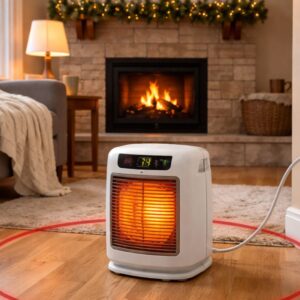
4. Review Space Heater Safety
Space heaters are one of the leading causes of winter electrical fires.
Electrical safety tips for space heaters:
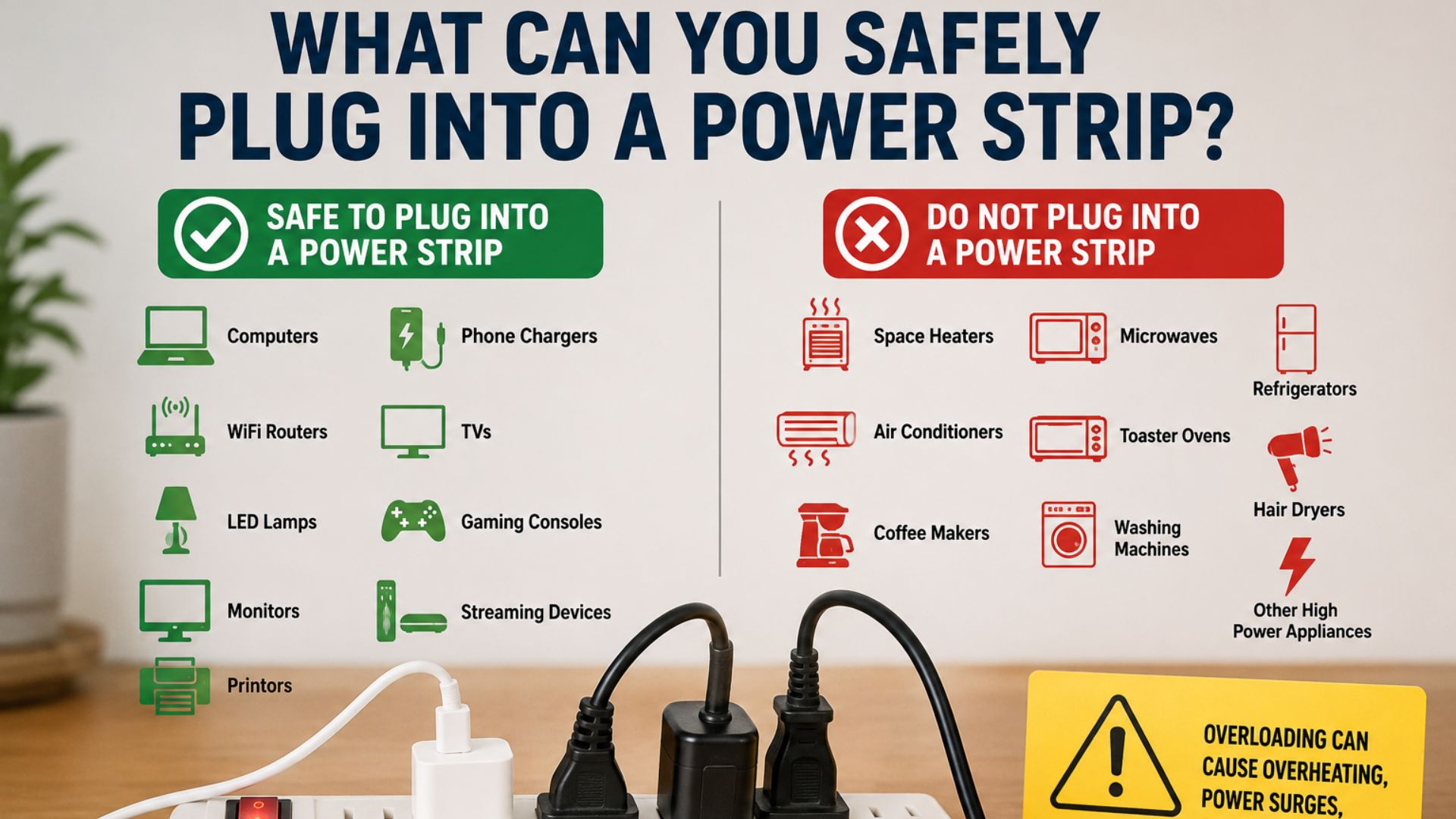
- Plug directly into wall outlets, never power strips
- Use heaters with automatic shutoff
- Keep at least three feet of clearance
- Never run unattended overnight
If you rely on space heaters frequently, your home may benefit from upgraded circuits or improved heating solutions.
5. Check Extension Cords and Power Strips
Winter often means more cords. Holiday decorations, heaters, humidifiers, and temporary setups all add up.
Replace cords that show:
- Cracks or fraying
- Loose plugs
- Overheating
Extension cords should never be used as permanent wiring, especially during winter when loads are higher.
6. Test Smoke and Carbon Monoxide Detectors
Winter is peak season for house fires and carbon monoxide risks.
Test all detectors monthly and replace batteries at the start of winter. If your home uses only battery units, upgrading to hardwired detectors with battery backup adds important safety.
7. Check Attic and Basement Wiring
Cold temperatures cause materials to expand and contract. Wiring in unfinished spaces is especially vulnerable.
Look for:
- Loose junction boxes
- Exposed splices
- Rodent damage
- Insulation covering electrical components
These areas are often out of sight but not out of danger.
8. Review Holiday Lighting Safety
Holiday lights are festive. Overloaded circuits are not.
Electrical safety checklist reminders:
- Use LED lights to reduce load
- Avoid connecting too many strands together
- Turn lights off before bed
- Use timers instead of manual plugs
If your breakers trip when lights turn on, your system is overloaded.
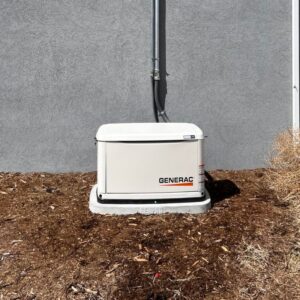
9. Prepare for Power Outages
Winter storms can knock out power quickly in Colorado.
Electrical preparedness tips include:
- Surge protection for sensitive electronics
- Backup power planning for medical devices
- Proper generator connections installed by an electrician
Never connect a generator directly to a panel without a transfer switch. That is dangerous and illegal.
10. Schedule a Professional Electrical Inspection
Even the best checklist cannot replace a trained electrician.
A professional winter electrical safety inspection can identify:
- Hidden fire hazards
- Code issues
- Panel limitations
- Grounding problems
This is one of the smartest preventive steps a homeowner can take before winter weather sets in.
What Are 10 Safety Rules in Electrical?
Here are ten essential electrical safety rules every homeowner should follow year round, especially during winter:
- Never overload outlets
- Replace damaged cords immediately
- Keep electricity away from moisture
- Use GFCI outlets where required
- Avoid extension cords as permanent solutions
- Unplug unused devices when possible
- Keep electrical panels accessible
- Test safety devices regularly
- Hire licensed electricians for repairs
- Address small electrical issues early
Following these rules significantly reduces the risk of electrical fires and failures.
Winter Weather Electrical Preparedness Tips for Colorado
Colorado homes face unique challenges due to elevation, snow load, and temperature swings.
Additional preparedness tips:
- Elevate outdoor connections above snow level
- Seal exterior penetrations to prevent moisture intrusion
- Ensure proper grounding for surge protection
- Consider whole home surge protection
Cold weather does not cause electrical problems directly. It exposes weaknesses that already exist.

Why The Electricians Are Colorado’s Trusted Experts
The Electricians are not just electricians. We are Colorado electricians.
We understand:
- Local building codes
- Weather related electrical stress
- Common issues in Colorado homes
- How to future proof electrical systems
Our licensed team helps homeowners stay safe, comfortable, and powered through every season.
Frequently Asked Questions
What is included in a winter electrical safety inspection?
A professional inspection includes panel evaluation, outlet testing, wiring checks, load assessment, and safety device verification.
How often should I check my electrical system?
At least once per year, ideally before winter begins.
Are older homes more at risk during winter?
Yes. Older wiring and panels may not handle modern winter electrical demands safely.
Can I do my own electrical safety inspection?
You can perform visual checks, but licensed electricians identify hidden hazards homeowners cannot see.
Final Thoughts: Stay Safe, Stay Warm, Stay Powered
Winter in Colorado is demanding enough without electrical surprises. A thorough winter electrical safety checklist protects your home, your family, and your peace of mind.
If something feels off, smells unusual, or trips repeatedly, do not ignore it. Electrical problems rarely fix themselves.
Schedule Your Free Estimate Today
If you want confidence that your home is ready for winter, The Electricians are here to help.
We offer professional inspections, honest recommendations, and expert solutions tailored to Colorado homes.
Schedule your free estimate today and stay powered through winter the safe way.
Related Posts
If you enjoyed reading this, then please explore our other articles below:
Electrical Panels in Colorado Homes
Many homes across Colorado, especially in Denver, Aurora, Lakewood, and Colorado Springs, were built with electrical panels that were never designed for modern power demands. Cold winters, EV charging, home offices, and newer appliances place added stress on older panels and breakers.
If you are noticing frequent breaker trips, buzzing sounds, or planning an upgrade like an EV charger or heat pump, a licensed Colorado electrician can evaluate whether your panel needs repairs or a full power upgrade.