Contents
- Why Winter Is Hard on Electrical Panels in Colorado
- 1. Breakers Keep Tripping When It Gets Cold
- 2. Flickering or Dimming Lights During Winter Use
- 3. Warm or Hot Electrical Panel in Cold Weather
- 4. Burning Smells or Scorch Marks Near the Panel
- 5. Buzzing, Crackling, or Popping Sounds
- 6. Reliance on Extension Cords and Space Heaters
- 7. Older or Outdated Electrical Panels
- Early Warning Signs of an Electrical Fire
- How to Tell If Your Electrical Panel Is Bad
- Can Cold Weather Cause Electrical Problems?
- When Electrical Panel Upgrades Make Sense
- FAQs About Winter Electrical Panels
- Why Colorado Homeowners Choose The Electricians
- Schedule a Free Electrical Panel Estimate Today
Trusted Colorado Electricians
Winter in Colorado is not subtle. One day it is sunny, the next day your furnace is running nonstop, space heaters are humming, and holiday lights are glowing like the Griswold family reunion.
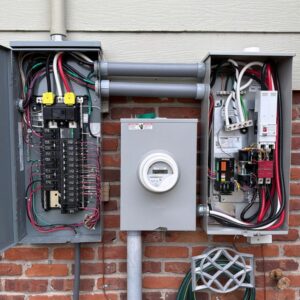
All of that warmth and cheer comes at a cost. Your electrical panel.
Many homeowners do not realize winter is one of the most demanding seasons for their electrical system. When your electrical panel cannot keep up, the warning signs often show up quietly before becoming expensive or dangerous.
If you have noticed flickering lights, tripping breakers, or unusual smells during cold weather, your home may be telling you it is time for electrical panel upgrades.
This guide explains how winter stresses your electrical panel, the signs it is struggling, and when Colorado homeowners should take action.
Why Winter Is Hard on Electrical Panels in Colorado
Winter creates a perfect storm for electrical strain. As temperatures drop, energy use rises across the entire home.
Common winter power demands include furnaces, electric baseboard heat, space heaters, heated floors, humidifiers, holiday lighting, garage heaters, and electric vehicle chargers working harder in cold conditions.
Colorado homes also face rapid temperature swings. Metal contracts in the cold, which can loosen electrical connections inside the panel. Loose connections increase resistance, generate heat, and raise the risk of electrical fires.
Older electrical panels were not designed to handle today’s winter loads. Homes built decades ago often lack the capacity needed for modern appliances and heating equipment.
1. Breakers Keep Tripping When It Gets Cold
One of the clearest signs your electrical panel cannot handle winter demand is frequent breaker tripping.
If your breakers trip more often during cold months, your electrical system may be overloaded. This happens when too many appliances draw power from circuits that were never designed for that level of use.
Common winter overload scenarios include running space heaters while the furnace, microwave, and laundry appliances operate simultaneously.
Tripping breakers are not just annoying. They are a safety feature designed to prevent overheating and electrical fires. Resetting them repeatedly without addressing the cause is a warning sign your panel needs attention.
2. Flickering or Dimming Lights During Winter Use
Lights that flicker or dim when appliances turn on are another sign your electrical panel is under stress.
During winter, high demand from heating equipment can cause voltage fluctuations. When your panel struggles to distribute power evenly, lights react first.
If your lights dim when the furnace starts, the microwave runs, or a space heater turns on, your electrical panel may not have enough capacity to support winter loads safely.
This issue often points to undersized panels, aging breakers, or loose internal connections.
3. Warm or Hot Electrical Panel in Cold Weather
Your electrical panel should never feel warm to the touch.
During winter, increased electrical demand can cause overheating inside the panel. Heat buildup indicates resistance, overloaded circuits, or failing breakers.
A warm panel is not normal and should never be ignored. Overheating is one of the most common precursors to electrical fires.
If you notice warmth, buzzing sounds, or heat near your electrical panel during winter, it is time to call a licensed electrician immediately.

4. Burning Smells or Scorch Marks Near the Panel
This is one of the most serious warning signs.
Burning odors, melted insulation smells, or visible scorch marks around breakers or the panel door indicate dangerous overheating.
Winter power demand amplifies existing weaknesses inside the electrical panel. What may have been a minor issue in summer can escalate quickly in cold weather.
If you smell burning plastic or insulation, shut off power if it is safe to do so and contact a professional electrician right away.
5. Buzzing, Crackling, or Popping Sounds
Electrical panels should be silent.
Buzzing, crackling, or popping noises often signal loose connections, arcing electricity, or failing breakers. Cold weather can worsen these issues as materials contract and expand.
Arcing produces heat and sparks inside the panel, significantly increasing fire risk.
Any unusual sound coming from your electrical panel during winter should be treated as urgent.
6. Reliance on Extension Cords and Space Heaters
If your home relies heavily on space heaters, power strips, and extension cords during winter, your electrical system may already be stretched beyond its limits.
These temporary solutions often overload circuits and place extra strain on the panel.
Space heaters draw a large amount of power and are one of the leading causes of winter electrical fires in residential homes.
If your home cannot stay warm without multiple space heaters, electrical panel upgrades may be necessary to support safer heating options.
7. Older or Outdated Electrical Panels
Panel age matters, especially in Colorado winters.
Homes with older panels such as Federal Pacific, Zinsco, or undersized 100 amp panels are at higher risk during peak winter demand.
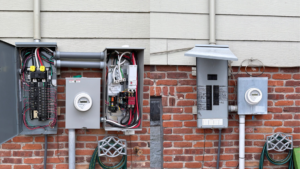
These panels may fail to trip properly, overheat, or distribute power unevenly.
If your home is older and has never had an electrical panel upgrade, winter is often when problems first appear.
Early Warning Signs of an Electrical Fire
Many electrical fires start long before flames appear.
Early warning signs include frequent breaker trips, burning smells, buzzing sounds, warm outlets or panels, flickering lights, and visible damage to wiring or breakers.
Winter increases fire risk due to higher energy use and longer operating hours for heating equipment.
Addressing these warning signs early can prevent major damage and keep your family safe.
How to Tell If Your Electrical Panel Is Bad
A bad electrical panel often shows clear symptoms during winter.
Signs include unreliable breakers, inconsistent power, overheating, corrosion, visible damage, and inability to handle modern electrical demands.
If your panel struggles more in winter than in other seasons, it is often a capacity issue rather than a seasonal fluke.
A professional electrical inspection can confirm whether repairs or a full electrical panel upgrade is the safest solution.
Can Cold Weather Cause Electrical Problems?
Yes. Cold weather can directly and indirectly cause electrical issues.
Low temperatures cause metal components to contract, which can loosen connections. Moisture from condensation or snowmelt can enter panels or conduits. Increased power demand pushes systems harder than normal.
All of these factors combine to make winter one of the most stressful seasons for your electrical panel.
When Electrical Panel Upgrades Make Sense
Electrical panel upgrades are not just about convenience. They are about safety, reliability, and preparing your home for modern energy needs.
Upgrading your panel can help support winter heating loads, EV chargers, backup generators, hot tubs, and future home upgrades without constant breaker issues.
For Colorado homeowners, a panel upgrade often becomes necessary when winter exposes underlying electrical weaknesses.
FAQs About Winter Electrical Panels
What are the early warning signs of an electrical fire?
Early signs include burning smells, warm electrical panels, buzzing sounds, frequent breaker trips, flickering lights, and visible scorch marks.
How can I tell if my electrical panel is bad?
A bad panel often overheats, trips breakers frequently, makes noise, or cannot support normal household electrical use during winter.
Can cold weather cause electrical problems?
Yes. Cold weather can loosen connections, increase condensation, and significantly raise electrical demand, all of which can stress your panel.
Is winter a common time for electrical panel failures?
Yes. Winter is one of the most common seasons for panel issues due to increased power usage and temperature related stress.
Why Colorado Homeowners Choose The Electricians
Colorado winters are not the time to gamble with your electrical system.
The Electricians specialize in diagnosing winter electrical problems and performing safe, code compliant electrical panel upgrades designed for Colorado homes.
Our licensed electricians understand local building codes, climate challenges, and modern energy demands. We focus on long term solutions, not temporary fixes.
Whether your panel needs an upgrade, repair, or professional evaluation, we help you stay warm, safe, and powered all winter long.
Schedule a Free Electrical Panel Estimate Today
Do not wait for the next cold snap or power failure to test your electrical panel.
If you are seeing warning signs or want peace of mind before winter hits full force, contact The Electricians today.
Schedule your free estimate and make sure your home is ready for Colorado’s winter power demands.
Related Posts
If you enjoyed reading this, then please explore our other articles below:
Electrical Panels in Colorado Homes
Many homes across Colorado, especially in Denver, Aurora, Lakewood, and Colorado Springs, were built with electrical panels that were never designed for modern power demands. Cold winters, EV charging, home offices, and newer appliances place added stress on older panels and breakers.
If you are noticing frequent breaker trips, buzzing sounds, or planning an upgrade like an EV charger or heat pump, a licensed Colorado electrician can evaluate whether your panel needs repairs or a full power upgrade.