Contents
- 1. Multiple Drains Are Slow at the Same Time
- 2. Your Toilet Gurgles or Bubbles
- 3. Water Backs Up Into a Tub or Floor Drain
- 4. Your Drains Keep Clogging
- 5. You Smell Sewer Odors
- 6. Your Yard Has Wet or Unusually Green Areas
- 7. Several Fixtures React to Each Other
- Drain Clog vs. Main Sewer Line Clog
- What Causes a Main Sewer Line Clog?
- What Is a Sewer Camera Inspection?
- How Is a Clogged Sewer Line Cleared?
- Is a Clogged Sewer Line an Emergency?
- Can You Prevent Sewer Line Clogs?
- Frequently Asked Questions About Sewer Line Clogs
- Need Sewer Line Service in Denver?
Trusted Colorado Electricians
One slow sink usually isn’t a major plumbing problem.
But when the toilet starts gurgling, the shower drains slowly, and water comes up through a basement drain, something bigger may be happening.
These can be signs your main sewer line is clogged.
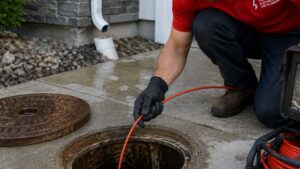
Your main sewer line carries wastewater from the drains throughout your home to the public sewer system. When that line becomes blocked or damaged, the problem can affect several fixtures at once.
Knowing the warning signs can help you catch a sewer problem before wastewater starts backing up into your home.
Here are seven signs Denver homeowners shouldn’t ignore.
1. Multiple Drains Are Slow at the Same Time
One slow drain usually means the clog is close to that fixture.
Several slow drains are different.
If your:
- Kitchen sink
- Bathroom sinks
- Shower
- Bathtub
- Toilets
- Basement floor drain
start having problems around the same time, your main sewer line may be clogged.
All of these drains eventually connect to the same sewer line.
A blockage in that main line can restrict water flow throughout the plumbing system.
Pay attention to the pattern.
One fixture = probably a local clog.
Several fixtures = possible main sewer line problem.
2. Your Toilet Gurgles or Bubbles
Your toilet can give you an early warning that something isn’t right.
You might hear gurgling after flushing or see bubbles in the bowl when someone uses another plumbing fixture.
For example:
You run the bathroom sink.
The toilet starts bubbling.
Or you drain the bathtub and hear the toilet gurgle.
That can happen when air becomes trapped in the plumbing system because wastewater isn’t flowing freely through the sewer line.
An occasional strange sound doesn’t always mean you have a major problem.
But frequent gurgling combined with slow drains or backups deserves attention.
3. Water Backs Up Into a Tub or Floor Drain
This is one of the biggest warning signs of a clogged sewer line.
Wastewater follows the easiest path available.
When the main sewer line is blocked, water may start coming back through one of the lowest drains in the house.
In Denver homes with basements, that may be:
- A basement floor drain
- A basement shower
- A bathtub
- A lower-level toilet
You might flush an upstairs toilet and notice water coming into the basement floor drain.
Or the washing machine drains and dirty water appears in the bathtub.
That’s not a normal fixture clog.
Stop using water and call a plumber.
Continuing to run showers, toilets, sinks, or appliances could cause a larger sewer backup.
4. Your Drains Keep Clogging
You clear the drain.
It works for a while.
Then the clog comes back.
Recurring clogs can mean the original blockage was never fully removed. They can also point to a larger issue deeper inside the sewer line.
Possible causes include:
- Grease buildup
- Tree roots
- Damaged pipes
- Sagging sections
- Shifted pipe joints
- Heavy debris
- A partially collapsed sewer pipe
Repeatedly clearing the line may temporarily restore water flow without fixing the actual problem.
If the same issue keeps returning, it may be time for a sewer camera inspection.
5. You Smell Sewer Odors
Your home’s plumbing system is designed to keep sewer gases out of living areas.
Persistent sewer smells aren’t something you should simply get used to.
You may notice the odor near:
- Floor drains
- Sinks
- Toilets
- Basement plumbing
- Sewer cleanouts
- Areas of the yard
Sometimes a dry drain trap can cause an odor.
But when sewer smells appear along with slow drains, gurgling toilets, or recurring backups, the main sewer line should be checked.
A damaged sewer pipe can also allow odors to escape underground or around the property.
6. Your Yard Has Wet or Unusually Green Areas
Not every sewer line problem happens inside the house.
Your main sewer line runs underground between your home and the public sewer connection.
If that pipe cracks or breaks, wastewater can leak into the surrounding soil.
Watch for:
- Unexplained wet spots
- Soft or soggy ground
- Areas of sinking soil
- Unusually green grass
- Faster plant growth along one area of the yard
- Sewer odors outside
A patch of grass that’s suddenly greener than everything around it might look harmless.
But combined with indoor drainage problems, it can be a sign that a sewer pipe is leaking underground.
7. Several Fixtures React to Each Other
This is one of the easiest ways to tell that a problem may extend beyond one drain.
Pay attention to what happens when you use different fixtures.
For example:
You flush the toilet → the shower drain gurgles.
You run the washing machine → water rises in a floor drain.
You drain the bathtub → the toilet bubbles.
Fixtures shouldn’t normally affect each other like this.
When they do, it may mean wastewater is struggling to move through a shared drain or the main sewer line.
That’s a good reason to have the plumbing system inspected.
Drain Clog vs. Main Sewer Line Clog
Homeowners often aren’t sure whether they’re dealing with a normal clogged drain or a sewer problem.
Here’s a quick comparison:
| Warning Sign | Regular Drain Clog | Main Sewer Line Problem |
|---|---|---|
| One fixture affected | Common | Less likely |
| Multiple drains affected | Uncommon | Common |
| Toilet gurgling | Sometimes | Common warning sign |
| Water backs up in another fixture | Uncommon | Major warning sign |
| Basement drain backup | Uncommon | Major warning sign |
| Recurring clogs | Possible | Common |
| Sewer odors | Possible | Possible |
| Wet or sinking areas outside | No | Possible |
The biggest clue is usually how many parts of the plumbing system are affected.
What Causes a Main Sewer Line Clog?
A sewer line can become blocked for several reasons.
Tree Roots
Tree roots naturally seek moisture.
If an underground sewer pipe has a crack, loose joint, or damaged section, roots can enter the opening.
Once inside, they can grow and collect waste, toilet paper, and other debris.
Over time, the opening inside the pipe becomes smaller.
Grease and Buildup
Grease shouldn’t go down kitchen drains.
It can cool inside the plumbing and stick to pipe walls. Other debris then collects on the grease and makes the blockage worse.
Items That Shouldn’t Be Flushed
Toilets are designed for human waste and toilet paper.
Wipes, paper towels, hygiene products, and other materials can contribute to sewer clogs.
Even products labeled “flushable” may not break apart as quickly as toilet paper.
Damaged Sewer Pipes
Sometimes there isn’t a traditional clog at all.
The sewer pipe itself may be:
- Cracked
- Collapsed
- Separated
- Misaligned
- Sagging
A low or sagging section, sometimes called a sewer belly, can hold wastewater and debris instead of allowing it to flow properly.
Cleaning may provide temporary relief, but a damaged pipe can continue causing problems until it’s repaired.
What Is a Sewer Camera Inspection?
You can’t diagnose an underground sewer line just by looking at the drains.
That’s where a sewer camera inspection can help.
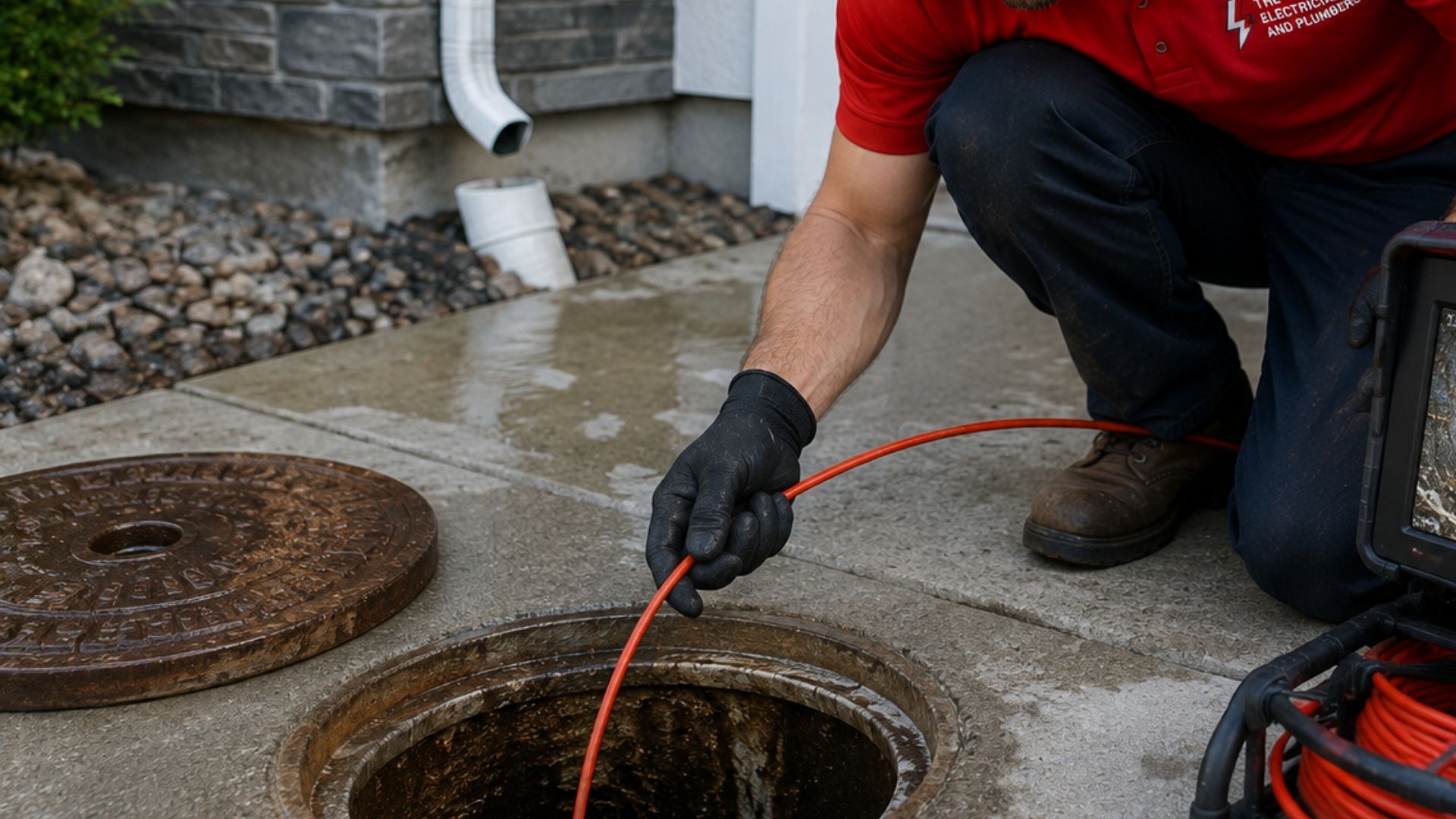
A plumber feeds a small waterproof camera through the sewer line to inspect the inside of the pipe.
The camera may reveal:
- Tree root intrusion
- Grease and debris
- Cracks
- Broken pipe
- Separated joints
- Sagging sections
- Collapsed pipe
- The location of a blockage
Current Denver sewer specialists commonly use camera inspections to distinguish a clog in a sound pipe from structural problems that will continue causing backups.
That’s important because the correct solution depends on what’s actually wrong.
You don’t want to replace a sewer line that simply needs cleaning.
And you don’t want to keep paying to clean a pipe that’s broken underground.
How Is a Clogged Sewer Line Cleared?
The right method depends on what’s causing the blockage and the condition of the pipe.
Sewer Snaking
A sewer machine or auger uses a cable to break through or remove a blockage.
This can work well for many common clogs.
Hydro Jetting
Hydro jetting uses high-pressure water to remove grease, sludge, and other buildup from the inside of a pipe.
It can clean more of the pipe wall than simply opening a path through a blockage.
However, older or damaged sewer pipes should be evaluated before hydro jetting.
Sewer Line Repair
Cleaning won’t fix a collapsed, severely cracked, or badly damaged sewer pipe.
If a camera inspection finds structural damage, sewer line repair or replacement may be necessary.
The goal should always be to diagnose the problem first and then choose the right solution.
Is a Clogged Sewer Line an Emergency?
It can be.
Call for plumbing service quickly if:
- Sewage is entering your home
- A floor drain is overflowing
- Multiple toilets are backing up
- You can’t use your plumbing
- Wastewater is spreading across the floor
If sewage starts backing up, stop using water.
Don’t run the dishwasher.
Don’t start the washing machine.
Don’t shower.
And avoid flushing toilets.
Every gallon of water sent down the drain has to go somewhere. If the sewer line is blocked, that somewhere could be back into your house.
Can You Prevent Sewer Line Clogs?
You can’t prevent every sewer problem, especially if an underground pipe is old or damaged.
But good habits can reduce avoidable clogs.
Only Flush Toilet Paper
Keep wipes, paper towels, hygiene products, and other materials out of toilets.
Keep Grease Out of Drains
Let cooking grease cool and dispose of it instead of pouring it into the sink.
Don’t Ignore Recurring Clogs
If you keep clearing the same drain, find out why the problem keeps returning.
Pay Attention to Multiple Slow Drains
One slow sink may be minor.
Several slow drains can be an early warning that the main line needs attention.
Frequently Asked Questions About Sewer Line Clogs
What are the first signs of a clogged sewer line?
Multiple slow drains, gurgling toilets, recurring clogs, and fixtures reacting to each other are common early warning signs. Water backing up into a basement drain or bathtub is a stronger indication of a main sewer line problem.
How do I know if my main sewer line is clogged?
Watch for problems affecting several fixtures at once. Toilets may gurgle, drains may slow down, and wastewater may appear in lower-level tubs, showers, or floor drains.
Can tree roots clog a sewer line?
Yes. Tree roots can enter cracks and joints in underground sewer pipes. Once inside, they can grow and collect debris, causing recurring blockages.
Will a sewer camera show a clog?
A sewer camera can help identify debris, roots, damaged pipe, separated joints, sagging sections, and other problems. If the line is completely full of wastewater or debris, it may need to be cleared before the camera has a useful view.
Does a clogged sewer line need to be replaced?
Not necessarily. Some sewer clogs can be cleared with professional drain cleaning or hydro jetting. Repair or replacement becomes more likely when the pipe itself is cracked, collapsed, badly offset, or otherwise structurally damaged.
Need Sewer Line Service in Denver?
If several drains are slowing down, your toilet is gurgling, or wastewater is coming back through a basement drain, don’t keep treating each fixture as a separate problem.
The issue may be farther down the line.
The Electricians and Plumbers provides drain and sewer service in Denver and surrounding Colorado communities.
We can diagnose the plumbing problem and determine whether you need drain cleaning, a sewer camera inspection, or sewer line repair.
Call The Electricians and Plumbers at 720-303-0150 to schedule plumbing service.
Related Posts
If you enjoyed reading this, then please explore our other articles below:

Electrical Panels in Colorado Homes
Many homes across Colorado, especially in Denver, Aurora, Lakewood, and Colorado Springs, were built with electrical panels that were never designed for modern power demands. Cold winters, EV charging, home offices, and newer appliances place added stress on older panels and breakers.
If you are noticing frequent breaker trips, buzzing sounds, or planning an upgrade like an EV charger or heat pump, a licensed Colorado electrician can evaluate whether your panel needs repairs or a full power upgrade.