Denver Metro • Electrical Inspections
Home Electrical
Inspections
Denver Metro
Pre-purchase, pre-listing, and insurance electrical inspections across Denver metro, performed by a licensed electrician with certified FLIR thermal imaging. Written report with photographs, prioritized findings, and a clear scope for anything that needs correcting.
4.9 Stars · 400+ Reviews
BBB A+ Accredited

Reports for Agents & Lenders
Report Delivered After the Visit
Schedule an Electrical Inspection
A licensed electrician performs the inspection, not a generalist. Certified FLIR thermal imaging included. Written report delivered after the visit.

What You Get
Home Electrical Inspection in Denver, CO
A home electrical inspection is a systematic examination of the service, the panel, the branch circuits, the devices, and the grounding and bonding system, performed by a licensed electrician rather than a generalist. In Denver metro the inspection almost always has a deadline attached, because the Colorado Contract to Buy and Sell runs on an Inspection Objection date and an Inspection Resolution date that do not move for anyone. We work to those dates and deliver a written report you can hand to an agent, a lender, or an insurance carrier.
Free Estimate
Inspection by a Licensed Electrician
A licensed electrician performs the inspection and writes the report. You receive photographs, thermal images where they matter, and findings sorted by urgency rather than a list of everything at once.
Every Inspection Includes:
When You Need One
8 Reasons Denver Homeowners Order an Electrical Inspection
Some inspections are driven by a transaction and some by something a homeowner noticed. Both are worth doing properly. If any of the following applies to you, an inspection by a licensed electrician gives you documentation rather than a guess.
01
A general home inspector flags what is visible and recommends further evaluation. That recommendation is where the deal stalls. A licensed electrician tells you what the finding actually means, what correcting it involves, and whether it is a negotiating item or a walk-away item, inside your due diligence window.
02
A pre-listing electrical inspection puts you ahead of the buyer’s inspector. You learn what will surface, you decide what to correct before it becomes a price concession, and you hand buyers documentation instead of an unknown. Sellers routinely give up more at the negotiating table than the correction would have cost them beforehand.
03
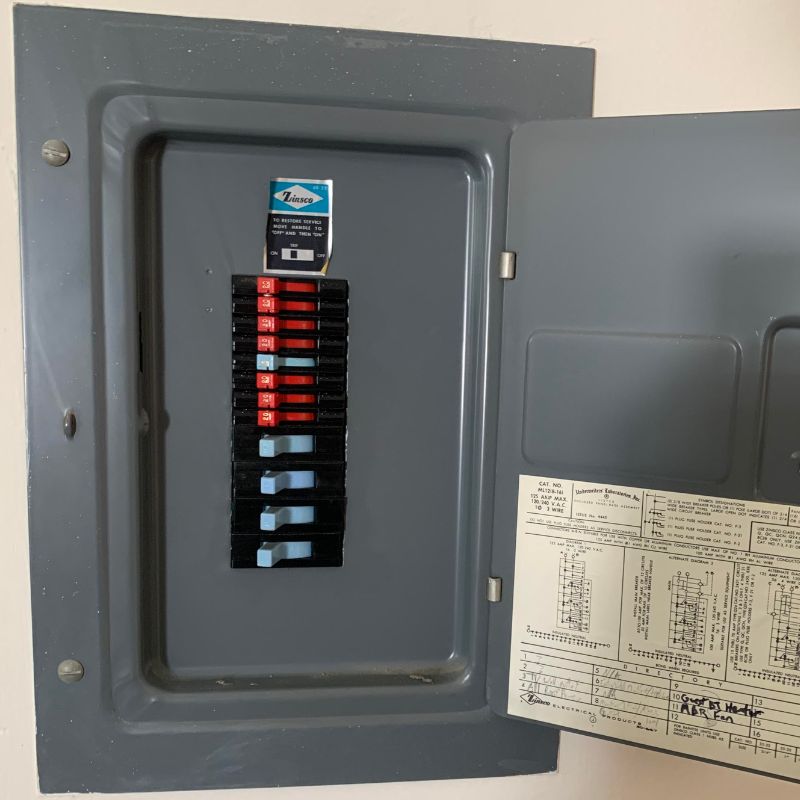
Carriers increasingly require an inspection before issuing or renewing a policy, especially on older homes or where a Federal Pacific or Zinsco panel is suspected. We inspect, document, and provide a report written for underwriting review rather than for a contractor.
04
Panels last 25 to 40 years, and branch wiring, grounding practice, and device standards have all changed since the 1970s. Homes in Park Hill, Congress Park, Berkeley, Harvey Park, and the mid-century ranch subdivisions across Centennial, Littleton, and Lakewood are past the point where age alone justifies an inspection.
05
Denver metro draws a steady stream of relocation buyers who go under contract before they have stood in the house. Objection deadlines still apply. We coordinate access with the listing agent, perform the inspection, and deliver a report with photographs and thermal images so a buyer two time zones away sees what we saw.
06
Finished basements, converted garages, added circuits, and back yard sheds wired by a previous owner are common findings. Unpermitted work does not disappear, it simply waits for the next transaction. An inspection tells you what is behind it before someone else finds it.
07
An EV charger, a hot tub, a heat pump, or a shop circuit all depend on capacity the house may not have. An inspection with a load calculation tells you what the panel supports before you buy equipment that needs more than it can give.
08
Breakers that trip under normal load, lights that dim when the air conditioning starts, outlets warm to the touch, two-prong receptacles, or a burning smell near a panel. Symptoms like these are worth a licensed diagnosis rather than a search result.
Inspection Services
Electrical Inspection Services in Denver Metro
Most Requested
Pre-Purchase Buyer
Inspection
Ordered during due diligence, often after a general home inspector recommended further evaluation. Full system inspection, thermal imaging, and a written report with findings ranked by urgency and a scope for anything that needs correcting.
Before You List
Pre-Listing Seller
Inspection
Find what the buyer’s inspector will find, while you still control the timeline. Correct what matters, document the rest, and remove the leverage that unknown electrical conditions hand to a buyer during negotiation.
Underwriting
Insurance and Carrier
Inspections
For carriers requiring documentation before issuing or renewing a policy. We identify panel brand and condition, wiring type, grounding, and protective devices, and write the report for underwriting review.
Exclusive
FLIR Thermal
Imaging Scan
Certified FLIR thermal imaging on the panel, terminations, and accessible circuits. Heat is the first symptom of a failing connection, and it appears on a thermal camera long before it appears to the eye or the nose.
Recall Check
Panel Brand and
Recall Identification
Federal Pacific Stab-Lok, Zinsco, Bulldog Pushmatic, GE split-bus, and Gould ITE panels all carry documented issues and all affect insurability. We identify what is on the wall and document it properly.
Older Homes
Knob-and-Tube and
Aluminum Wiring Check
Attic, basement, crawlspace, and device-level inspection to identify pre-1950 knob-and-tube and 1965 to 1973 aluminum branch wiring, both of which drive insurance decisions and both of which are frequently missed.
Code Compliance
Grounding, Bonding,
GFCI and AFCI Testing
Verification of the grounding electrode system, bonding, and protective devices, with GFCI and AFCI testing at the device. These are the items that fail quietly and the ones an inspector checks first.
Post-Remodel
Unpermitted Work
Evaluation
Finished basements, converted garages, added circuits, and outbuilding feeders installed without a permit. We assess what was done, what it would take to bring it to code, and what a jurisdiction will require.
Exclusive Technology
A Flashlight Finds
What Is Visible.
We Find the Rest.
A failing electrical connection announces itself as heat long before it announces itself as a smell, a spark, or a fire. The Electricians uses certified FLIR thermal imaging by Teledyne on every inspection across Denver metro, which turns a loose lug or an overloaded circuit into something you can see in a photograph and hand to a seller, a carrier, or a lender.
✓
✓
✓
✓
Scope of Work
What an Electrical Inspection Covers, and What a Home Inspection Does Not
A general home inspection is broad by design. It covers roofing, plumbing, structure, HVAC, and electrical in a single visit, which means the electrical portion is a visual survey rather than an evaluation. That is not a criticism of home inspectors. It is the scope they work under, and it is why so many reports end with a recommendation to have an electrician take a closer look.
What We Inspect
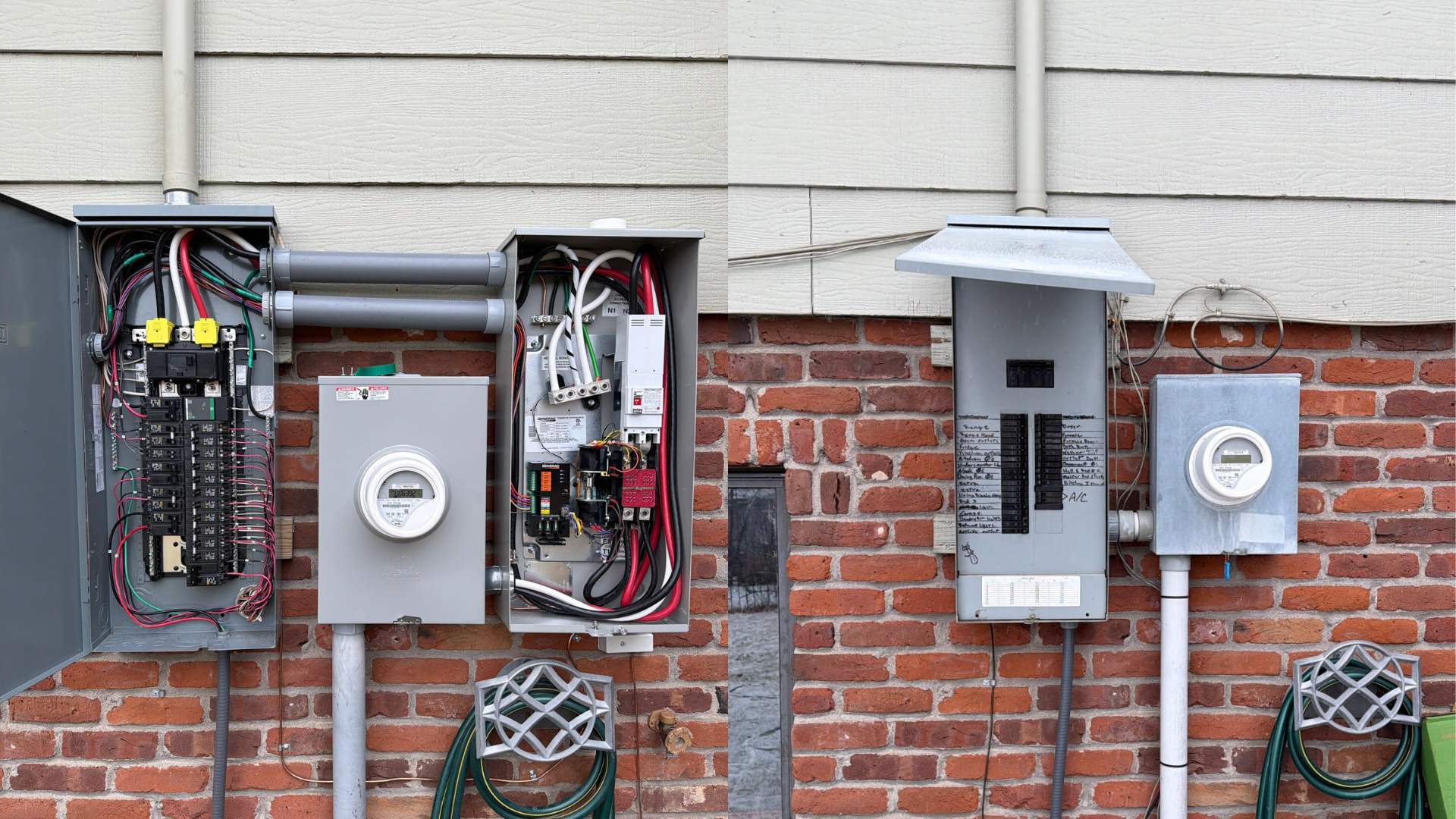
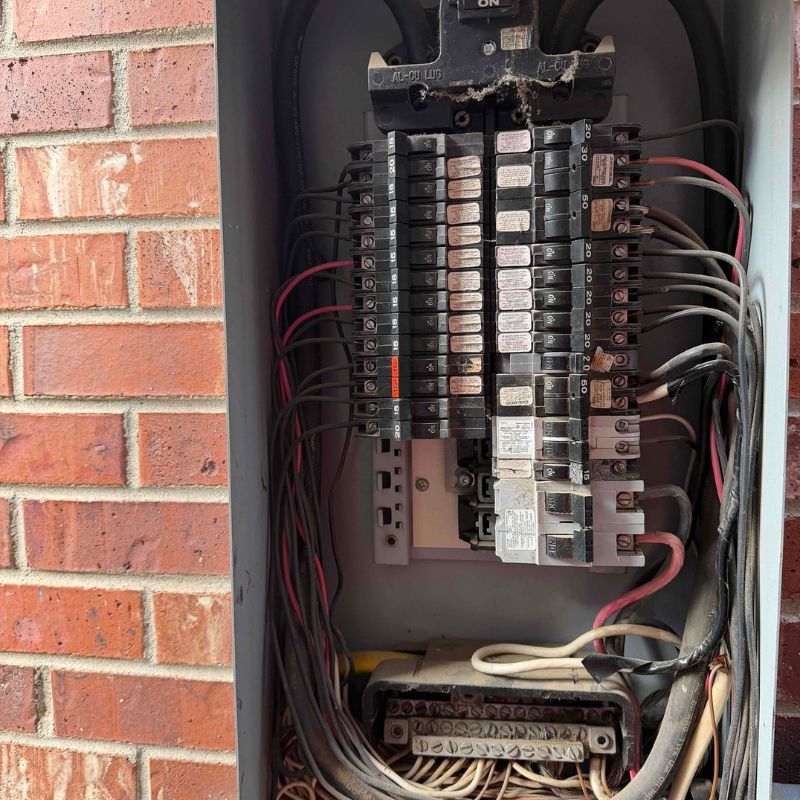
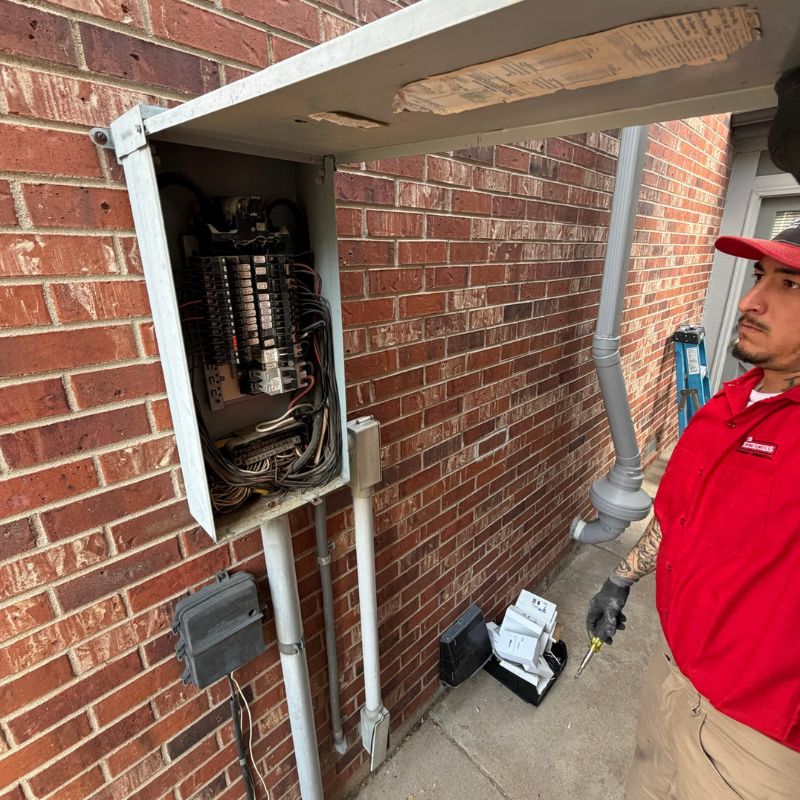
The service entrance, meter base, and grounding electrode system. The panel brand, capacity, breaker condition, and whether the equipment is a recalled make. Branch circuit wiring type throughout the accessible areas, including knob-and-tube and aluminum identification. Devices and protective equipment, with GFCI and AFCI testing where those are required. Bonding at the panel and at any water, gas, and metal systems in the house.
Then the parts that most inspections skip. Attic, basement, and crawlspace runs. Junction boxes and splices, including the ones hidden above finished ceilings where a previous remodel left them. Outbuilding and detached garage feeders. Exterior receptacles, covers, and equipment. Thermal imaging on the panel and accessible terminations under live load.
On the report: findings are sorted into safety items that need correcting now, code and compliance items that matter at resale or for insurance, and end-of-life items you plan for. You are not handed a flat list and left to guess which line matters.
Where the Home Inspection Stops
Home inspectors in Colorado are not required to be licensed electricians, and their standards of practice do not ask them to remove a panel cover, test under load, or evaluate the adequacy of a system for the way the house is used. So the report notes what is observable and refers the rest onward, usually with a sentence that gives a buyer no way to price the risk.
Panel interior: brand, breaker condition, double taps, and terminations under live load
Thermal behavior: heat at connections that read as normal to the eye and the hand
Scope and cost: what correcting a finding actually involves, in writing, during the inspection
Your Inspector Said to Call an Electrician
That is exactly what we do, and we work inside Inspection Objection deadlines across Denver, Aurora, Centennial, Littleton, Lakewood, Highlands Ranch, Parker, and Castle Rock.
Simple Process
How an Electrical Inspection Works
From Scheduling to Report
One visit, one licensed electrician, one written report you can actually use.
Scheduling Around Your Deadline
Tell us the Inspection Objection date, the closing date, or the deadline your carrier gave you. We schedule the inspection to land inside that window, coordinate access with the listing agent when the property is occupied, and confirm the scope before the visit.
The Inspection Visit
A licensed electrician works the service, the panel, the accessible branch circuits, the devices, and the grounding and bonding system, and runs the FLIR thermal scan under live load. Most single-family inspections take two to three hours depending on square footage, attic and crawlspace access, and how much unpermitted work turns up along the way.
Written Report Delivered
You receive a written report with photographs, thermal images where they are relevant, and findings sorted into safety, compliance, and end-of-life categories. If corrections are wanted, the scope and the price come with the report, which means an agent can negotiate from a document rather than an estimate of an estimate.
Rating
Inspection Visit
Reviews
Guaranteed
Reading the Report
What the Findings Actually Mean
A report that lists thirty items with no hierarchy is not useful to a buyer, a seller, or an agent under a deadline. Every finding we document falls into one of three categories, and the category is what tells you whether it belongs in a repair request, a price negotiation, or a five-year plan.
If corrections are wanted, we quote them in writing. If they are not, the report stands on its own and you are free to take it to any licensed contractor. An inspection that only produces a sales pitch is not an inspection.
Conditions that present a shock or fire risk as the house sits today. Overheating terminations, double-tapped breakers, missing or defeated grounds, open splices, damaged conductors, and recalled panels with documented breaker failure. These belong in the repair request, and in a transaction they are the findings that move money.
Conditions that are not immediately dangerous but that a carrier, a lender, or the next buyer will care about. Missing GFCI or AFCI protection, unpermitted circuits, aluminum branch wiring, knob-and-tube in service, and grounding systems that predate current requirements. These affect what the home costs to insure and what it sells for.
Equipment approaching the end of its service life and capacity limits that will constrain what you can add later. A full panel, a 100-amp service in a house you plan to add a charger or a heat pump to, or a panel at the far end of its expected lifespan. Nothing is failing yet, and knowing now is what keeps it from becoming an emergency.
Home Electrical Inspections in Denver: What to Expect
What is a home electrical inspection? A home electrical inspection is a systematic evaluation of a property’s electrical system by a licensed electrician, covering the service entrance, the panel, branch circuit wiring, devices, protective equipment, and the grounding and bonding system, and producing a written report of findings. It is a different scope than the electrical portion of a general home inspection, which is a visual survey performed by a generalist.
The Electricians performs inspections throughout the Denver metro area, including Denver, Centennial, Aurora, Littleton, Lakewood, Arvada, Highlands Ranch, Englewood, Greenwood Village, Cherry Hills Village, Parker, and Castle Rock. Every inspection is performed by a licensed electrician under CO Lic. #EC.0101962 and includes certified FLIR thermal imaging, which is the part that separates a real evaluation from a walkthrough with a flashlight.
Buying a Home in Denver Metro
Colorado residential contracts run on an Inspection Objection date and an Inspection Resolution date, and both arrive quickly. That is the clock an electrical inspection has to fit inside. The usual sequence is that a general home inspector notes something at the panel and recommends evaluation by a licensed electrician, which identifies a risk without pricing it and leaves a buyer objecting to a condition they cannot quantify.
We inspect, document what the finding actually is, and put a written scope and price on any correction. That converts an open-ended concern into a number, which is what an agent needs to write a credible objection before the deadline passes. In a market where inspection objections are frequently the last negotiation of the deal, the difference between a vague concern and a documented scope is real money.
Selling a Home, and Why the Timing Favors You
A pre-listing electrical inspection costs a fraction of what the same findings cost during negotiation. When a buyer’s inspector discovers a Federal Pacific panel or aluminum branch wiring during due diligence, the seller is negotiating under a deadline against a buyer who now holds leverage and an inflated sense of what the correction costs. When the seller finds it first, the seller decides whether to correct it, disclose it, or price it in, on an ordinary schedule with competitive bids.
This matters most where the housing stock is oldest. Homes in Park Hill, Capitol Hill, Congress Park, Highland, Berkeley, Washington Park, Harvey Park, and Bear Valley frequently hold pre-1950 knob-and-tube behind finished walls. The subdivisions built between 1965 and 1973 across the south and west metro are where solid aluminum branch wiring turns up. Both reach an insurance carrier, and both are cheaper to address before a buyer is holding the report.
Insurance Inspections and What Carriers Look For
Carriers writing policies in Colorado have tightened underwriting on older homes, and electrical is one of the first systems they ask about. The recurring items are panel brand, wiring type, grounding, and the presence of protective devices. A Federal Pacific Stab-Lok or Zinsco panel can prevent a policy from being issued at all. Knob-and-tube and aluminum branch wiring can trigger a higher premium, a remediation deadline, or a non-renewal at the end of a term.
We write these reports for the audience that reads them, which means identifying equipment by brand and model where it is legible, photographing the conditions, and stating clearly what is present and what is not rather than burying the answer in contractor shorthand. If corrections are required, an electrical panel upgrade is quoted in writing and documented at completion for the carrier file.
Older Homes, Newer Homes, and What Turns Up in Each
Older Denver homes produce the findings people expect. Ungrounded two-prong circuits, cloth-insulated conductors, undersized services, panels well past their service life, and additions wired by whoever was available at the time. Those are known quantities, and the inspection establishes the extent rather than the existence. Bungalows and prewar homes in the central neighborhoods also tend to hide junction boxes above finished ceilings, which is exactly where a general inspection cannot look.
Newer homes in Highlands Ranch, Parker, Castle Rock, Green Valley Ranch, and Central Park produce a different list. Basements finished without a permit, garage conversions, hot tub circuits run by a landscaper, outbuilding feeders buried at the wrong depth, and missing GFCI or AFCI protection where code required it at the time the work was done. A house built in 2006 is not automatically fine. It is newer, and what has been done to it since is what the inspection is looking at.
Permits, Jurisdictions, and Unpermitted Work
Denver metro is a patchwork of jurisdictions. The City and County of Denver issues and inspects electrical permits inside city limits, and Aurora, Centennial, Littleton, Lakewood, Arvada, Englewood, Parker, and Castle Rock each run their own process, with unincorporated areas handled at the county level. Permit history is public, and a buyer’s agent can pull it, which is how unpermitted finished basements surface late in a transaction.
Our inspection identifies work that appears to have been done without a permit and describes what bringing it to code would involve. That is different from a code inspection, which only a jurisdiction performs and only on permitted work. If corrections follow, we pull the permit in the correct jurisdiction and the inspection is scheduled as part of that project.
Before You Add an EV Charger, Hot Tub, or Heat Pump
The other reason to inspect is forward looking. Every major addition depends on capacity the house may not have, and finding that out after equipment is delivered is the expensive version of the discovery. An inspection with a load calculation establishes what the service supports today, what a planned addition requires, and whether a panel upgrade belongs in the project budget. If something is actively unsafe, our emergency electricians are available around the clock. Call (720) 303-0150 to schedule with a licensed electrician.
Free Estimate
A licensed electrician performs the inspection. FLIR thermal imaging included. Written report delivered after the visit.
Our Credentials
Where We Work
Electrical Inspections Across Denver Metro
Inspections scheduled around closing dates and Inspection Objection deadlines, throughout Denver and the surrounding metro communities.
📍 Central Denver
Park Hill, Capitol Hill, Congress Park, Highland, Berkeley, and Washington Park, where pre-1950 wiring and ungrounded circuits are common findings.
📍 Centennial & Greenwood Village
Centennial, Greenwood Village, and Cherry Hills Village, including 1965 to 1973 subdivisions where aluminum branch wiring turns up.
📍 Aurora
Original Aurora, Southeast Aurora, and the 1960s subdivisions, from mid-century ranches to newer production builds.
📍 Highlands Ranch & Lone Tree
Highlands Ranch, Lone Tree, and Douglas County, where finished basements and post-build additions drive most findings.
📍 Littleton & Ken Caryl
Littleton, Ken Caryl, Columbine, and South Suburban, spanning historic downtown homes and mid-century subdivisions.
📍 Lakewood & Arvada
Lakewood, Arvada, Wheat Ridge, and the west side, where 1960s aluminum-wired ranches are concentrated.
📍 Parker & Castle Rock
Parker, Castle Rock, and surrounding Douglas County, including acreage properties with outbuildings on the same service.
📍 Englewood & South Metro
Englewood, Sheridan, Bow Mar, and the south metro corridor, from bungalows to estate properties with detached structures.
Common Questions
Frequently Asked Questions About Electrical Inspections in Denver
Ready to Get Started
Denver’s Electrical
Inspection Experts.
Licensed electrician on site. Certified FLIR thermal imaging. Written report with photographs and prioritized findings. Scheduled around your Inspection Objection deadline throughout the Denver metro area.
Real person answers · Closest crew dispatched · 24/7/365
Or Book Online
Written report · FLIR imaging included · No obligation to repair · CO Lic. #EC.0101962