Contents
- Electrical Wire Color Codes and What Every Homeowner Should Know Before Touching a Wire
- Quick Answer: Is Red or Black Positive or Negative?
- Why Wire Color Codes Matter in Electrical Wiring
- Standard Electrical Wire Color Codes in U.S. Homes
- Electrical Wire Color Code Summary
- Common Wire Color Combinations in Electrical Wiring
- Wiring for 240 Volt Circuits and Large Appliances
- Electrical Wire Color Codes in Other Countries
- Is Red or Black Positive or Negative in Home Wiring?
- Which Wire Is Positive and Negative?
- What Color Is the Neutral Wire?
- What Color Is the Ground Wire?
- Common Mistakes With Electrical Wire Color Codes
- Can You Do Electrical Wiring Yourself?
- Frequently Asked Questions
- Now What?
Trusted Colorado Electricians
Electrical Wire Color Codes and What Every Homeowner Should Know Before Touching a Wire
Most homeowners do not think about electrical wiring until they are standing on a ladder with a light fixture in one hand and a bundle of color coded wires in the other.
At that moment, understanding electrical wire color codes becomes essential.
Electrical wiring color code standards exist to identify the function of each wire inside an electrical system. These standards help prevent electrical shock, damaged equipment, and fire hazards.
This guide explains how wire color codes work, how AC power differs from DC power, and how to safely identify hot, neutral, and ground wires in residential electrical wiring.
Whether you are replacing a fixture, troubleshooting a circuit, or simply trying to understand your home’s electrical system, this article gives you clear, code compliant answers.
Quick Answer: Is Red or Black Positive or Negative?
In residential electrical wiring, red and black wires are not positive or negative.
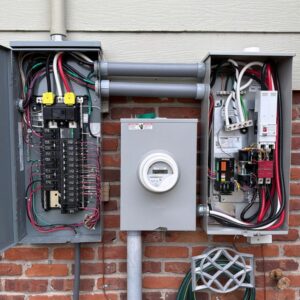
Homes in the United States use AC power, not DC power. In an AC electrical system:
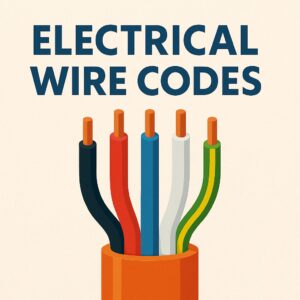
- Black wires are hot wires
- Red wires are hot wires
- White or gray wires are neutral wires
- Green or bare copper wires are ground wires
The terms positive and negative apply only to DC power systems, such as batteries, vehicles, solar equipment, and electronics.
This confusion around is red or black positive or is black positive or negative is one of the most common electrical misunderstandings homeowners face.
Why Wire Color Codes Matter in Electrical Wiring
Electrical wiring is not color coded for convenience. It follows strict rules outlined in the National Electrical Code (NEC). These electrical wiring color code standards allow electricians, inspectors, and homeowners to quickly identify a live wire and understand how electricity flows through a circuit.
Using the wrong wire can:
- Interrupt power back to the service panel
- Damage appliances
- Create a shock hazard
- Increase the risk of electrical fires
Correctly identifying each wire is a basic but critical safety step in any electrical work.
Standard Electrical Wire Color Codes in U.S. Homes
The following electrical wire color codes are standard in residential electrical wiring throughout the United States.
Black Wires
Black wires are hot wires that carry live electrical current from the breaker panel to outlets, switches, and fixtures. In most home wiring, the hot wire is black.
Black wires should always be treated as a live wire.
Red Wires
Red wires are also hot wires. They are commonly used in:
- 240 volt circuits
- Three way and four way switch configurations
- Smoke detector interconnection circuits
Red wires carry the same voltage as black wires and must be handled with the same level of caution.
White or Gray Wires
White wiring and gray wiring indicate neutral wires. Neutral wires return power back to the service panel, completing the electrical circuit.
Although neutral wires are not hot conductors, they can still carry current and should never be assumed safe to touch.
Green or Bare Copper Wires
Green wires and bare copper wires are ground wires. The ground wire provides a safe path for electricity during a fault and protects people and equipment.
Ground wires should never be used for any purpose other than grounding.
Blue and Yellow Wires
Blue and yellow wires are hot wires used in specific applications such as:
- Traveler wires in three way switches
- Switch legs for lighting circuits
- Certain smart home and control systems
They function the same as black and red hot wires.
Electrical Wire Color Code Summary
Wire Color | Function in the Electrical System
Black | Hot wire carrying live power
Red | Secondary hot wire
White or gray | Neutral wire returning power
Green | Ground wire for safety
Bare copper | Ground wire for safety
Blue and yellow | Hot traveler or switch leg
Common Wire Color Combinations in Electrical Wiring
Many electrical cables contain multiple color coded wires inside the same sheath. These combinations are often used in ceiling fans, smart thermostats, and lighting systems with multiple switches.
In most cases:
- Black and red wires are hot
- White or gray wires are neutral
- Green or bare copper wires are ground
Always test wires with a voltage tester before making connections. Never rely on color alone.
Wiring for 240 Volt Circuits and Large Appliances
High power appliances such as dryers, ovens, air conditioners, and EV chargers use 240 volt circuits.
These circuits typically include:
- Two hot wires, often black and red
- One neutral wire, usually white
- One ground wire, green or bare copper
Correct wire identification is especially important when working with high load equipment.
Electrical Wire Color Codes in Other Countries
Electrical wiring color code standards are not universal. Many countries follow guidelines set by the International Electrotechnical Commission, which differ from U.S. standards.
If your home contains imported equipment or international wiring, a licensed electrician should verify the electrical system before any work is performed.
Is Red or Black Positive or Negative in Home Wiring?
This depends entirely on the type of electrical system.
In AC Power Systems
- Red wires are hot
- Black wires are hot
- There is no positive or negative
In DC Power Systems
- Red is typically positive
- Black is typically negative
If you are working inside a residential electrical panel or junction box, always assume black red wires are live wires.
Which Wire Is Positive and Negative?
In residential electrical wiring, there is no positive or negative wire. Homes use AC power, which alternates direction.
If you are working with DC power, polarity must be identified using:
- Manufacturer documentation
- Circuit diagrams
- A multimeter
If both wires are the same color, testing is the only safe way to identify positive and negative wires.
What Color Is the Neutral Wire?
The neutral wire is typically white. In some systems, white or gray wires are used. The neutral wire carries power back to the service panel and completes the circuit.
Neutral wires should never be assumed safe to touch.
What Color Is the Ground Wire?
The ground wire is green or bare copper. It protects people and property by safely directing electricity during a fault.
Using a ground wire incorrectly is a serious electrical code violation.
Common Mistakes With Electrical Wire Color Codes
Some of the most common wiring mistakes include:
- Using white wiring as a hot wire without proper marking
- Assuming neutral wires carry no current
- Using a ground wire as a conductor
- Failing to test a live wire before touching it
Understanding electrical wire color codes is essential, but testing is always required. If you need an emergency electrician contact us today.
Can You Do Electrical Wiring Yourself?
Basic tasks like replacing a fixture or outlet may be manageable for experienced homeowners. However, electrical wiring involves more than identifying wire color.
Permits, local codes, and NEC requirements all apply. If anything is unclear, hiring a licensed electrician is the safest option.
Frequently Asked Questions
What is the standard wire color code in the United States?
Black and red wires are hot, white or gray wires are neutral, and green or bare copper wires are ground.
What happens if electrical wire colors are mixed up?
Mixing up wires can cause shock, equipment damage, breaker trips, or electrical fires.
Do electrical wire color codes apply to AC and DC power?
Yes, but the meanings differ. AC power uses hot and neutral wires. DC power uses positive and negative polarity.
Can wire colors vary between countries?
Yes. Many countries follow International Electrotechnical Commission standards rather than NEC standards.
Now What?
Understanding electrical wire color codes helps you work more safely and avoid costly mistakes. Knowing how to identify hot wires, neutral wires, and ground wires is foundational to safe electrical work.
If your wiring does not follow electrical wiring color code standards, or if you are unsure what you are looking at, do not guess.
The Electricians provide expert, NEC compliant electrical service throughout Colorado.
Contact us today for safe, professional help you can trust.
Related Posts
If you enjoyed reading this, then please explore our other articles below:



Electrical Panels in Colorado Homes
Many homes across Colorado, especially in Denver, Aurora, Lakewood, and Colorado Springs, were built with electrical panels that were never designed for modern power demands. Cold winters, EV charging, home offices, and newer appliances place added stress on older panels and breakers.
If you are noticing frequent breaker trips, buzzing sounds, or planning an upgrade like an EV charger or heat pump, a licensed Colorado electrician can evaluate whether your panel needs repairs or a full power upgrade.