
Contents
- Average Electrician Costs in Denver
- How Much Do Electricians Charge Per Hour in Denver?
- How Much Is an Electrician Service Call in Denver?
- Electrical Repair and Installation Costs in Denver
- What Affects Electrician Prices in Denver?
- How Much Does an Emergency Electrician Cost in Denver?
- How to Save Money When Hiring an Electrician
- Why Hire a Licensed Electrician in Colorado?
- How We Develop Our Electrician Cost Estimates
- Frequently Asked Questions About Electrician Costs
- Get an Electrical Estimate in Denver

General planning estimates for the Denver metro area, not guaranteed prices.
At The Electricians & Plumbers, we help homeowners throughout Denver, Aurora, Centennial, Littleton, Lakewood, Parker, Highlands Ranch, and surrounding communities with residential electrical repairs, installations, inspections, and upgrades.
This 2026 pricing guide explains what affects electrician costs, what common electrical projects may cost, and how to compare estimates without sacrificing safety.
Average Electrician Costs in Denver
The cost of hiring an electrician depends primarily on the type of work, the condition of your electrical system, and the time and materials required.
Here are estimated price ranges for common residential electrical services in the Denver metro area.
| Electrical service | Estimated cost |
|---|---|
| Standard electrician hourly rate | $100–$150 per hour |
| Complex electrical work | $150–$250+ per hour |
| Standard service call | $100–$400 |
| Electrical troubleshooting | $250–$500 |
| Outlet repair or replacement | $250–$450 |
| GFCI outlet installation | $250–$400 |
| Circuit breaker replacement | $250–$450 |
| Light fixture installation | $250–$500 |
| Ceiling fan installation | $250–$750 |
| Bathroom exhaust fan installation | $250–$550 |
| Recessed lighting, six fixtures | $700–$1,800 |
| Whole-home surge protection | $300–$600+ |
| EV charger installation | $1,000–$4,000+ |
| Electrical panel upgrade | $4,000–$10,000+ |
| Whole-home rewiring | $8,000–$20,000+ |
These ranges are intended to help homeowners plan. They are not a company price list. Labor, materials, permits, and other charges may be included or billed separately depending on the estimate.
For the most accurate price, have a licensed electrician evaluate your specific project.
How Much Do Electricians Charge Per Hour in Denver?
Electricians in Denver generally charge around $100–$150 per hour for standard residential electrical work, based on the planning estimates in this guide.
More complicated projects, specialized electrical work, and urgent service may cost $150–$250 or more per hour.
However, not every electrician bills by the hour. Many electrical contractors use project-based pricing, especially for common repairs and installations.
Apprentice, Journeyman, and Master Electrician Rates
Electricians have different levels of training, licensing, and responsibility.
Apprentice electricians work under required supervision while developing their skills. They commonly assist with wiring, installations, and electrical repairs.
Journeyman electricians have completed the required training and licensing process and can perform a wide range of residential electrical work.
Master electricians have additional qualifications and may oversee more complex electrical projects, system design, and code compliance.
The experience level of the electrician can affect project pricing, but homeowners should not assume that a contractor bills at a different rate for each technician. Many companies price work based on the complete service rather than an individual employee’s hourly wage. Our guide to choosing an electrician covers what else to look for.
Hourly Pricing vs. Project-Based Pricing
With hourly pricing, the final labor cost depends on how long the job takes. Materials and other fees may be added.
With project-based pricing, the contractor provides a price for a defined scope of work before beginning.
For example, replacing an accessible outlet with no wiring problems may be straightforward. But if the electrician discovers damaged wiring, improper grounding, or an overloaded circuit, the repair could require additional work.
The best approach is to request a written estimate that clearly explains the work, materials, and potential additional charges.
How Much Is an Electrician Service Call in Denver?
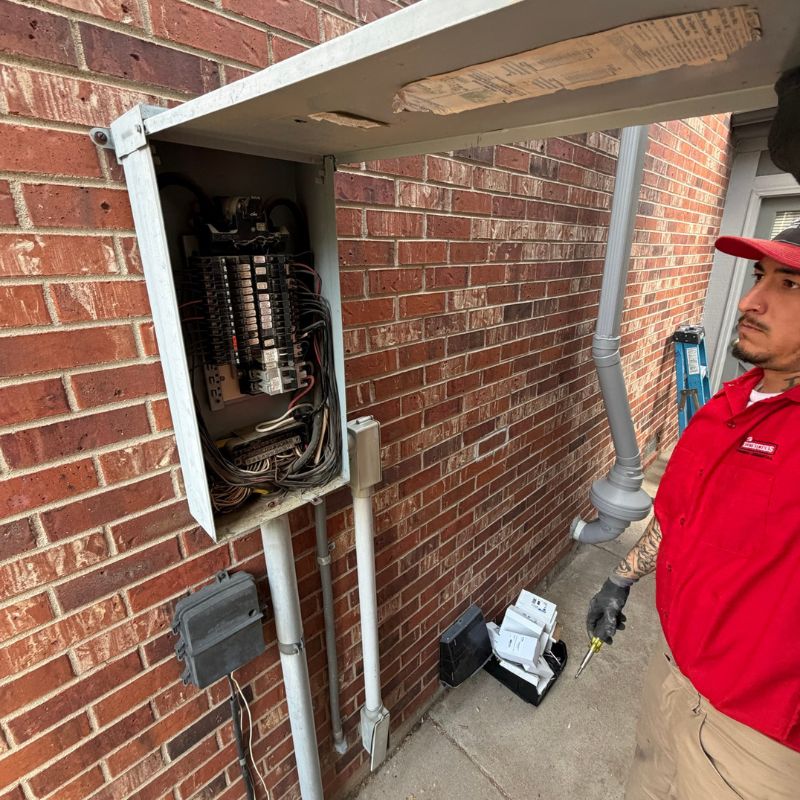
A standard electrician service call in Denver may cost approximately $100–$400, depending on the company and the reason for the visit.
A service call fee may cover travel, scheduling, initial evaluation, or diagnostic time. Some contractors include a portion of labor, while others charge separately for the repair.
What Is Included in an Electrician Service Call?
Depending on the contractor, a service call may include:
- Travel to your home
- Initial inspection of the electrical problem
- Basic electrical testing or troubleshooting
- Explanation of the recommended repair
- An estimate for additional work
Ask whether the service fee is credited toward the repair and whether diagnostic labor is included.
Do Electricians Charge for Estimates?
Some electricians offer free estimates for planned installations, such as EV chargers, panel upgrades, and lighting projects.
Diagnostic appointments are different. Finding the cause of a tripping breaker, dead outlet, or intermittent power issue requires professional testing and may involve a service charge.
Before scheduling, ask whether the visit is a free project estimate, a paid diagnostic appointment, or a standard service call.
Electrical Repair and Installation Costs in Denver
Electrical work can range from replacing one outlet to upgrading the power supply for an entire home.
Here is what homeowners should know about several common projects.
How Much Does It Cost to Replace an Electrical Outlet?
A standard outlet repair or replacement may cost $250–$450 under the estimates in this guide.
The price depends on whether the electrician is replacing an existing outlet or installing a new one.
Replacing an outlet in good condition is usually simpler than installing new wiring through finished walls.
Costs may increase when the electrician discovers:
- Loose or damaged wiring
- Missing or improper grounding
- Overheated electrical connections
- An outdated electrical box
- Additional circuit protection requirements
A GFCI outlet installation may cost approximately $250–$400, depending on the existing wiring and scope.
GFCI protection is especially important in locations where electricity and moisture may come into contact, such as bathrooms, kitchens, garages, and outdoor areas, as required by applicable electrical codes. See our circuits and outlets services for new installations and dedicated circuits.
Expert insight
Why an outlet repair can cost more than expected
The outlet itself is rarely the expensive part. The price climbs when the electrician opens the box and finds loose or overheated connections, missing grounding, or an outdated box that has to be replaced before the new outlet can be installed safely. A written estimate should explain how that kind of discovery is handled.
How Much Does Electrical Troubleshooting Cost?
Electrical troubleshooting in Denver may cost approximately $250–$500 for a relatively straightforward issue.
Troubleshooting involves finding the cause of an electrical problem rather than simply replacing a visible component.
Common reasons homeowners schedule troubleshooting include flickering lights, dead outlets, breakers that repeatedly trip, partial power loss, and electrical buzzing.
Some problems can be identified quickly. Others require testing multiple circuits, inspecting connections, or tracing concealed wiring.
The diagnostic charge and the cost of the completed repair may be separate.
How Much Does It Cost to Replace a Circuit Breaker?
Replacing a standard circuit breaker may cost approximately $250–$450, depending on the breaker type and the condition of the electrical panel.
AFCI, GFCI, specialty, or less-common breakers may cost more.
A breaker that repeatedly trips is not always defective. The actual problem could be an overloaded circuit, damaged wiring, a faulty appliance, or a short circuit.
A licensed electrician should identify the cause before recommending replacement. Learn more about our electrical panel and breaker services.
Expert insight
Why a tripping breaker does not always need replacement
A breaker that trips is often doing its job. It may be responding to an overloaded circuit, a failing appliance, or damaged wiring somewhere downstream. Swapping the breaker without finding the cause can leave the real problem in place. Diagnosis first, replacement only when the breaker itself has failed.
How Much Does It Cost to Install a Ceiling Fan?
Ceiling fan installation in Denver may cost approximately $250–$750.
Replacing an existing fan using suitable wiring and a properly rated electrical box is usually less complicated than installing a fan in a location without an existing ceiling connection.
The price can increase when the project requires new wiring, wall controls, structural support, or work on a high ceiling.
An electrician should also verify that the electrical box is rated to support a ceiling fan.
How Much Does It Cost to Install Light Fixtures?
Installing a residential light fixture may cost approximately $250–$500 for a typical project.
The final price depends on the fixture, mounting location, wiring, and installation requirements.
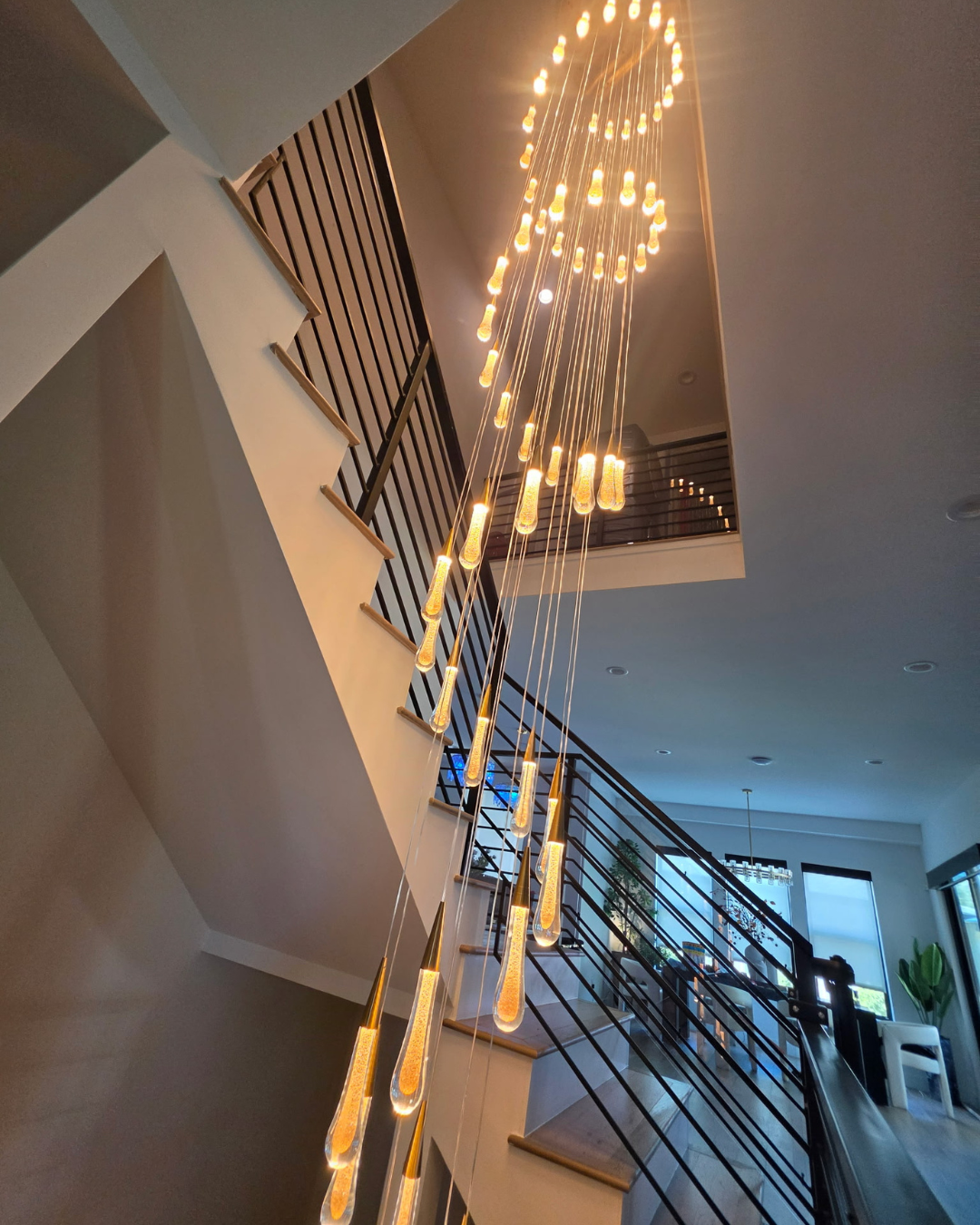
Large chandeliers, heavy fixtures, high ceilings, and custom lighting may cost considerably more because they can require additional support, specialized equipment, or multiple installers.
For recessed lighting, installing six fixtures may cost approximately $700–$1,800, depending on ceiling access, wiring, switching, and fixture selection. Our interior and exterior lighting services cover both.
How Much Does an Electrical Panel Upgrade Cost in Denver?
An electrical panel upgrade is one of the larger electrical investments a homeowner may make.
For planning purposes, a residential panel upgrade in the Denver area may cost approximately $4,000–$10,000 or more, depending on the scope.
A straightforward panel replacement may cost less than a project that requires a new meter housing, service equipment, grounding upgrades, or utility coordination.
Factors affecting the price include:
- Existing panel condition
- Electrical service capacity
- 100-amp, 150-amp, or 200-amp requirements
- New breakers and circuit protection
- Meter housing and service equipment
- Grounding and bonding
- Permits and inspections
- Utility coordination
- Panel relocation or accessibility
Some older Denver-area homes have electrical equipment that is no longer suitable for modern household demands.
A home electrical inspection can help determine whether the home needs a complete upgrade, a targeted repair, or additional circuits. Read our guide to electrical panel upgrades for more detail.
Expert insight
Why a panel upgrade estimate depends on more than amperage
Two homes can both need a 200-amp panel and receive very different estimates. The difference usually sits outside the panel: the condition of the meter housing and service entrance, whether grounding and bonding meet current requirements, permit and inspection fees in that municipality, and whether the utility has to be involved. Ask for an itemized scope so you can compare quotes on the same basis.
How Much Does It Cost to Install an EV Charger?
A residential EV charger installation may cost approximately $1,000–$4,000 or more, depending on equipment, electrical capacity, and installation conditions.
The largest pricing factors are often the distance from the electrical panel to the charging location, the available panel capacity, and the amount of new wiring required.
An installation near an accessible electrical panel may be less involved than one requiring a long circuit run through finished walls or ceilings.
A panel upgrade may also be necessary in some homes, although load management and other approved solutions may be available.
As a Tesla Certified Installer, The Electricians & Plumbers installs home charging equipment and evaluates electrical requirements for safe, reliable charging.
How Much Does Whole-Home Surge Protection Cost?
Whole-home surge protection may cost approximately $300–$600 or more for a typical installation, depending on the electrical panel and selected equipment.
A whole-home surge protective device helps protect connected electrical equipment from certain voltage surges.
It does not eliminate every type of surge risk, but it can be an important part of a home’s electrical protection strategy.
How Much Does It Cost to Rewire a House?
Whole-home rewiring may cost approximately $8,000–$20,000 or more, depending on the size, age, and construction of the home.
Older homes may have wiring that is difficult to access or no longer appropriate for modern electrical demands.
Rewiring costs depend on the number of circuits, required outlets, access through walls and ceilings, permit requirements, and the amount of restoration work.
Partial rewiring may be an option when only certain circuits need replacement.
A licensed electrician can inspect the existing electrical system and recommend an appropriate scope of work. Our article on rewiring a house explains what the process involves.
What Affects Electrician Prices in Denver?
Two electrical projects that sound identical over the phone can have very different costs once an electrician evaluates the property.
Age and Condition of the Home
Older Denver-area homes may have outdated wiring, limited panel capacity, ungrounded outlets, or previous electrical modifications.
These conditions can increase the time and materials required for a safe repair or installation.
Accessibility
Electrical work is generally easier when wiring, panels, and fixtures are readily accessible.
Finished basements, difficult attic access, high ceilings, and concealed wiring can make a project more involved.
Materials and Equipment
Standard outlets, specialty breakers, smart switches, EV charging equipment, and electrical panels vary significantly in cost.
The equipment selected for a project affects the final estimate.
Permits and Inspections
Some electrical projects require permits and inspections.
Requirements vary by municipality, project type, and the authority having jurisdiction. Denver, Aurora, Littleton, Centennial, and other nearby communities may have different procedures and fees.
Ask whether permit costs are included in the written estimate and who will be responsible for obtaining them.
Electrical Capacity
Adding a major electrical load, such as an EV charger or electric appliance, may require an evaluation of the home’s existing electrical capacity.
Not every new circuit requires a panel upgrade. A qualified electrician can perform the appropriate assessment.
How Much Does an Emergency Electrician Cost in Denver?
Emergency electrical service generally costs more than a scheduled appointment because it may require immediate dispatch outside regular business hours.
For budgeting purposes, an emergency visit may involve an initial charge of approximately $200–$500 or more, with additional diagnostic labor, materials, and repairs billed according to the work required.
This is a planning range for an initial emergency visit, not a guaranteed total repair price or hourly rate.
When Should You Call an Emergency Electrician?
Contact a qualified electrician promptly if you notice:
- A burning smell near outlets or your electrical panel
- Sparking, arcing, or sizzling electrical equipment
- An electrical panel or outlet that is unusually hot
- Water entering electrical equipment
- Repeated breaker trips accompanied by signs of overheating
- Sudden partial power loss that suggests an electrical system problem
If there is smoke, fire, or immediate danger, leave the affected area and call 911.
Avoid touching damaged electrical equipment or attempting repairs yourself.
How to Save Money When Hiring an Electrician
Hiring a qualified electrician is an investment in your home’s safety, but there are practical ways to manage the cost.
Why Hire a Licensed Electrician in Colorado?
Electrical work involves more than connecting wires. Proper installation requires knowledge of electrical loads, circuit protection, grounding, equipment specifications, and applicable codes.
Hiring a qualified electrical contractor helps ensure that work is performed safely and that required permits and inspections are addressed.
Before hiring an electrician, verify the contractor’s credentials with the Colorado Department of Regulatory Agencies (DORA).
The Electricians & Plumbers operates under Colorado Electrical Contractor License EC.0101962.
Our team provides residential electrical repairs, panel upgrades, EV charger installations, lighting, troubleshooting, and emergency electrical services throughout the Denver area. Read more about why licensing matters.

How We Develop Our Electrician Cost Estimates
The prices in this guide are general planning ranges for residential electrical projects in the Denver metro area.
They reflect the types of services and project conditions discussed by our electrical team, but they should not be interpreted as statistically calculated averages from completed company invoices.
Individual estimates depend on labor, equipment, materials, permit requirements, accessibility, and the existing electrical system.
Our goal is to help homeowners understand potential costs before scheduling an evaluation.
For a specific project, a written estimate from a qualified electrician is more reliable than any general online pricing guide.
Frequently Asked Questions About Electrician Costs
Related Posts
If you enjoyed reading this, then please explore our other articles below:
Electrical Panels in Colorado Homes
Many homes across Colorado, especially in Denver, Aurora, Lakewood, and Colorado Springs, were built with electrical panels that were never designed for modern power demands. Cold winters, EV charging, home offices, and newer appliances place added stress on older panels and breakers.
If you are noticing frequent breaker trips, buzzing sounds, or planning an upgrade like an EV charger or heat pump, a licensed Colorado electrician can evaluate whether your panel needs repairs or a full power upgrade.