Contents
- What Is a Heat Pump?
- How Does a Heat Pump Work?
- Types of Heat Pumps
- Why These Systems Work Well in Colorado
- Benefits of Modern Heating and Cooling Systems
- Electrical Requirements for Installation
- Signs Your Home May Need an Electrical Upgrade
- Installation Process
- Comparing Modern Systems to Furnaces
- Why Professional Installation Matters
- Schedule Electrical Services for Your HVAC Upgrade
Trusted Colorado Electricians
More homeowners in Colorado are upgrading to energy efficient heating and cooling systems. These systems can lower energy bills, improve comfort, and reduce strain on older HVAC equipment.
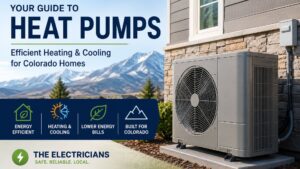
If you are researching what is a heat pump, wondering how these systems work, or thinking about installing one in your home, this guide explains the basics in simple terms.
What Is a Heat Pump?
A heat pump is a system that heats and cools your home. Instead of creating heat by burning fuel, it moves heat from one place to another.
In winter, the system pulls heat from outdoor air and moves it inside your home. In summer, it removes heat from inside your home and pushes it outdoors, working like an air conditioner.
Because the system moves heat instead of creating it, it can use less energy than many older heating systems.
How Does a Heat Pump Work?
Many homeowners ask how does a heat pump work during cold Colorado winters.
The system uses refrigerant, coils, and a heat exchanger to transfer heat energy between the indoor unit and outdoor unit.
In heating mode:
- The outdoor unit extracts heat from the outside air
- Refrigerant carries the heat indoors
- The indoor unit blows warm air through the home
In cooling mode:
- The system removes heat from inside the home
- The heat moves outdoors
- Cool air circulates through the house
Modern cold climate heat pumps can still work well even when outdoor temperatures drop below freezing.
Types of Heat Pumps
There are several types of heat pumps available for homes.
Air Source Systems
Air source systems are the most common option. These systems move heat between your home and the outdoor air.
Benefits include:
- Heating or cooling from one system
- Lower energy use
- Quiet operation
- Better indoor comfort
Many Colorado homeowners choose this type because it works well in different weather conditions.
Ductless Mini Split Systems
Mini split systems are great for:
- Homes without ductwork
- Garages
- Basements
- Room additions
These systems use smaller indoor units connected to an outdoor unit.
Ground Source Heat Pump Systems
A ground source heat pump uses underground temperatures to heat and cool the home. These systems are also called geothermal heat pumps.
Because underground temperatures stay more stable, geothermal systems can be very efficient.
Benefits include:
- Lower long term energy costs
- Reliable performance
- Quiet operation
- Strong performance in cold climates
Why These Systems Work Well in Colorado
Colorado weather changes quickly throughout the year. Homes need reliable heating and cooling systems that can handle both hot summers and cold winters.
Modern cold climate heat pumps are built to handle low temperatures more effectively than older models.
Many homeowners choose these systems because they:
- Lower energy costs
- Improve comfort
- Reduce carbon emissions
- Provide heating and cooling in one system
Benefits of Modern Heating and Cooling Systems
Lower Energy Bills
These systems move heat instead of relying only on generated heat from fuel combustion. This can help reduce energy use and lower monthly utility bills.
Heating and Cooling From One System
Homeowners can use one system year round instead of separate heating systems and air conditioners.
Better Comfort
Modern systems help keep indoor temperatures more consistent. They can also improve airflow and humidity control.
Cleaner Energy Use
Electric systems can reduce dependence on natural gas and lower environmental impact.
Hot Water Options
Some systems can also help provide hot water for the home.
Electrical Requirements for Installation
Installing a new heat pump system may require electrical upgrades.
A licensed electrician may inspect:
- Electrical panels
- Circuit breakers
- Wiring
- Disconnect switches
- Grounding systems
Older homes sometimes need panel upgrades before installation.
Signs Your Home May Need an Electrical Upgrade
You may need electrical work if your home has:
- Flickering lights
- Breakers that trip often
- Limited breaker space
- An older electrical panel
- High power demand from EV chargers or hot tubs
A professional inspection can help determine whether your electrical system is ready.
Installation Process
Home Inspection
Contractors check:
- Home size
- Insulation
- Existing ductwork
- Electrical capacity
- Heating and cooling needs
System Selection
Choosing the right size system is important. A system that is too large or too small may not work efficiently.
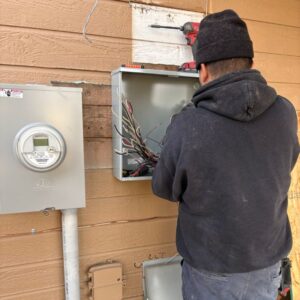
Electrical Work
Electricians may install:
- Dedicated circuits
- Breakers
- Disconnects
- Wiring upgrades
HVAC Installation
The HVAC contractor installs:
- Indoor unit
- Outdoor unit
- Refrigerant lines
- Thermostat controls
Final Testing
The system is tested to make sure it works safely and properly.
Comparing Modern Systems to Furnaces
| Feature | Modern Electric System | Traditional Furnace |
|---|---|---|
| Heating Method | Moves heat | Burns fuel |
| Cooling Capability | Yes | No |
| Energy Efficiency | High | Moderate |
| Carbon Emissions | Lower | Higher |
| Fuel Requirement | Electricity | Natural gas |
Some homeowners also choose hybrid systems that combine electric heating with gas furnaces.
Why Professional Installation Matters
Improper installation can lead to:
- Higher energy bills
- Poor system performance
- Electrical hazards
- Equipment damage
- Code violations
Licensed electricians help make sure the system is installed safely and meets electrical code requirements.
Schedule Electrical Services for Your HVAC Upgrade
If you are planning to install a modern heating and cooling system, The Electricians can help.
Our licensed Colorado electricians provide panel upgrades, dedicated circuits, electrical inspections, and electrical support for HVAC installations throughout the Denver metro area.
Whether you are replacing an older furnace or installing advanced cold climate heat pumps, our team can help make sure your home’s electrical system is safe and ready for the upgrade.
Related Posts
If you enjoyed reading this, then please explore our other articles below:
Electrical Panels in Colorado Homes
Many homes across Colorado, especially in Denver, Aurora, Lakewood, and Colorado Springs, were built with electrical panels that were never designed for modern power demands. Cold winters, EV charging, home offices, and newer appliances place added stress on older panels and breakers.
If you are noticing frequent breaker trips, buzzing sounds, or planning an upgrade like an EV charger or heat pump, a licensed Colorado electrician can evaluate whether your panel needs repairs or a full power upgrade.