Contents
- Why Hot Tub Electrical Installation Is Not a DIY Project
- Do You Need a Hot Tub Permit in Denver?
- Understanding the 50 Amp Circuit for a Hot Tub
- GFCI Protection and Disconnect Requirements
- Equipotential Bonding: The Most Overlooked Safety Requirement
- Indoor vs Outdoor Hot Tub Wiring
- The Step by Step Installation Process
- Common Mistakes Homeowners Make
- Cost Factors for Hot Tub Electrical Installation
- Why Hire a Hot Tub Electrician in Denver
- Ready to Install Your Hot Tub the Right Way?
Trusted Colorado Electricians
Spring in Colorado is prime time for upgrading outdoor living spaces, and hot tubs are at the top of many homeowners’ lists. But before you start picturing relaxing evenings under the stars, there is one critical piece to get right: the electrical installation.
Hot tub wiring is not a simple plug-and-play project. It involves permits, code compliance, proper circuit sizing, and safety systems designed to protect you from serious hazards like electrical shock.
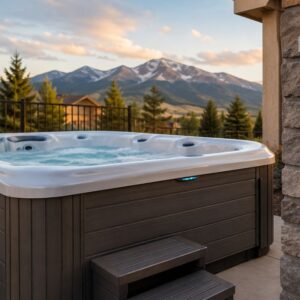
If you are searching for a hot tub electrician Denver homeowners trust or trying to understand hot tub electrical installation Colorado requirements, this guide breaks down exactly what is involved.
Why Hot Tub Electrical Installation Is Not a DIY Project
Hot tubs combine water and electricity, which creates a high-risk environment if installed incorrectly. They also operate on a 240V hot tub system, which requires professional handling.
Improper installation can lead to:
- Electrical shock from ground faults
- Equipment damage
- Failed inspections
- Insurance issues
- Costly rework
In Colorado, most cities require both a permit and inspection before a hot tub can legally operate. This ensures compliance with the National Electrical Code (NEC) and all applicable local code requirements.
Do You Need a Hot Tub Permit in Denver?
Yes. In Denver and surrounding areas like Parker, Castle Rock, and Centennial, a permit is required before any wiring begins.
What the Permit Covers
A hot tub permit typically ensures:
- Proper circuit installation
- GFCI protection using a GFCI breaker
- Correct disconnect placement
- Code-compliant bonding
- Safe connection to your electrical panel and circuit breaker
Local Jurisdiction Differences
While the requirements are similar, each city has its own process:
- Denver: Requires electrical permits and inspections through Denver Community Planning and Development
- Centennial: Follows Arapahoe County processes with inspection scheduling required
- Parker: Requires permits through the town building division and strict adherence to NEC
- Castle Rock: Requires permit approval and final inspection before use
Skipping the permit might save time upfront, but it often leads to fines, failed home inspections, or issues when selling your home.
Understanding the 50 Amp Circuit for a Hot Tub
Most standard hot tubs require a dedicated 50 amp circuit hot tub setup connected to a 240V system.
Why a Dedicated Circuit Matters
A hot tub draws significant power to run:
- Heaters
- Pumps
- Jets
- Control systems
A shared circuit would overload quickly and trip the circuit breaker. That is why code requires a dedicated line from your panel.
When You Might Need 60 Amps
Some larger systems, especially swim spas, require a 60 amp circuit instead of 50 amps. The exact requirement depends on the manufacturer specifications and overall hot tub electrical requirements.
Panel Capacity Check
Before installation, a licensed electrician will evaluate your electrical panel to determine:
- Available capacity
- Current load on existing circuits
- Whether an upgrade is needed
GFCI Protection and Disconnect Requirements
Safety is the top priority with any hot tub installation. That is where GFCI protection comes in.
What Is GFCI and Why It Is Required
A Ground Fault Circuit Interrupter shuts off power instantly if it detects ground faults, which can occur when electricity flows outside its intended path, especially in wet environments.
For hot tubs, NEC requires a GFCI breaker to prevent electric shock.
Disconnect Placement Rules
Code also requires a disconnect switch:
- Within line of sight of the hot tub
- At least 5 feet away from the water
This ensures that power can be shut off quickly in an emergency.
Equipotential Bonding: The Most Overlooked Safety Requirement
Bonding is one of the most misunderstood but critical parts of hot tub electrical installation.

What Bonding Does
Equipotential bonding connects all metal components around the hot tub area to equalize electrical potential. This includes:
- Metal frames
- Nearby railings
- Concrete reinforcement
- Electrical equipment
Why It Matters
Without proper bonding, even a small electrical fault could create dangerous conditions due to the interaction of water and electricity. This is a key inspection point in all Colorado jurisdictions.
Indoor vs Outdoor Hot Tub Wiring
The installation approach changes depending on whether your hot tub is indoors or outdoors.
Outdoor Installations
Most Denver homeowners install hot tubs outside. This requires:
- Weatherproof conduit
- Burial or surface-mounted wiring
- Outdoor-rated disconnects
- Proper clearance from structures
Indoor Installations
Indoor hot tubs require:
- Proper ventilation
- Moisture-resistant wiring methods
- Careful routing through walls and floors
The Step by Step Installation Process
Understanding the process helps set expectations and ensures everything runs smoothly.
- Site Evaluation
- Load Calculation
- Permit Application
- Circuit Installation
- GFCI and Disconnect Installation
- Bonding
- Inspection
- Final Connection
Common Mistakes Homeowners Make
Avoiding these mistakes can save time, money, and frustration:
- Skipping the permit process
- Ignoring local code requirements
- Installing incorrect circuit size
- Improper disconnect placement
- Ignoring bonding requirements
- Hiring unlicensed contractors instead of a licensed electrician
Cost Factors for Hot Tub Electrical Installation
Costs vary depending on several factors:
- Distance from panel to hot tub
- Trenching or conduit complexity
- Panel upgrades if needed
- Permit fees
- Type of hot tub system
Why Hire a Hot Tub Electrician in Denver
A licensed electrician understands both national and local code requirements. This ensures:

- Proper permitting and inspections
- Code-compliant installation
- Safe operation
- Long-term reliability
Ready to Install Your Hot Tub the Right Way?
If you are planning a hot tub installation this spring, now is the time to do it correctly. From securing your hot tub permit Denver requires to installing a proper 50 amp circuit hot tub system with a GFCI breaker, every step matters.
The Electricians specialize in hot tub electrical installation Colorado homeowners rely on, ensuring all work meets NEC and local code standards.
Schedule an estimate today.
Related Posts
If you enjoyed reading this, then please explore our other articles below:

Electrical Panels in Colorado Homes
Many homes across Colorado, especially in Denver, Aurora, Lakewood, and Colorado Springs, were built with electrical panels that were never designed for modern power demands. Cold winters, EV charging, home offices, and newer appliances place added stress on older panels and breakers.
If you are noticing frequent breaker trips, buzzing sounds, or planning an upgrade like an EV charger or heat pump, a licensed Colorado electrician can evaluate whether your panel needs repairs or a full power upgrade.