Contents
- What Is a Dedicated Circuit?
- Why Dedicated Circuits Matter
- Appliances That Require Dedicated Circuits
- Home Offices Often Need Dedicated Circuits
- Workshop Equipment and Garage Upgrades
- Signs You May Need a Dedicated Circuit
- Does Your Electrical Panel Have Enough Capacity?
- How Dedicated Circuit Installation Works
- Why Professional Installation Matters
- Frequently Asked Questions
- Need Dedicated Circuit Installation in Denver?
Trusted Colorado Electricians
Modern homes use more electricity than ever before. EV chargers, heat pumps, hot tubs, home offices, and upgraded kitchen appliances all place greater demands on your electrical system than older equipment.
Many homeowners assume they can plug in a new appliance and start using it. However, some modern appliances require their own dedicated circuit to operate safely and comply with electrical codes.
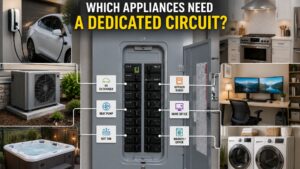
Installing the right circuit protects your home, improves appliance performance, and reduces the risk of electrical fires.
If you are planning a remodel, appliance upgrade, or home addition, this guide explains which appliances require dedicated circuits and when you should schedule a dedicated circuit installation in Denver.
What Is a Dedicated Circuit?
A dedicated circuit is an electrical circuit that serves only one appliance or piece of equipment. Nothing else shares the circuit.
Each dedicated circuit includes:
- Its own circuit breaker
- Dedicated wiring from the electrical panel
- A single connected appliance or system
This design prevents other devices from competing for power. It also helps appliances operate safely and efficiently.
Many modern electrical systems rely on dedicated circuits to handle larger electrical loads and meet National Electrical Code requirements.
Why Dedicated Circuits Matter
Today’s homes contain more electronics and power-hungry equipment than ever before.
When several devices share the same electrical circuit, the circuit can become overloaded. This often causes circuit breakers to trip and may damage appliances over time.
Dedicated circuits help prevent:
- Breakers trip issues
- Overloaded wiring
- Electrical fires
- Equipment damage
- Voltage fluctuations
- Reduced appliance lifespan
Many modern electrical upgrades include circuits installation specifically designed to support new appliances safely and efficiently.
Appliances That Require Dedicated Circuits
EV Chargers
Electric vehicle chargers are one of the most common reasons homeowners request dedicated circuit installation in Denver.
Most Level 2 chargers require:
- 240-volt power
- A 40-amp circuit
- A 50-amp circuit
- A 60-amp circuit
Because EV charging can run for several hours, electrical codes generally require a dedicated circuit.
Sharing a charger with other equipment can overload the electrical circuit and create safety concerns.
If you plan to install an EV charger, a licensed electrician should evaluate your electrical panel and determine the correct circuit size.
Heat Pumps
Heat pumps continue to grow in popularity throughout Colorado.
Most systems require dedicated circuits for:
- Outdoor condenser units
- Indoor air handlers
- Backup heating equipment
Heat pumps create a significant electrical load, especially during extreme temperatures.
Many homeowners discover they need additional electrical work or a panel upgrade before installing a new system.
If you are considering a heat pump, an electrician can calculate your home’s electrical capacity and determine whether dedicated circuits are necessary.
Hot Tubs and Spas
Hot tubs require special electrical planning because water and electricity can be a dangerous combination.
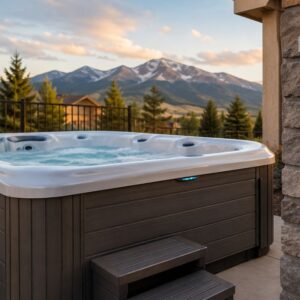
Most hot tubs need:
- A dedicated 240-volt circuit
- GFCI protection
- Manufacturer-approved breaker sizing
Common circuit sizes include:
- 40 amps
- 50 amps
- 60 amps
Hot tubs almost always require dedicated circuits. Sharing power with other equipment can create serious electrical safety risks.
Electric Ranges and Ovens
Electric cooking appliances use large amounts of electricity.
Most electric ranges require:
- Dedicated circuits
- 240-volt service
- 40 to 50 amp breakers
Wall ovens and cooktops may also require their own circuits depending on the manufacturer.
Kitchen remodels are one of the most common times homeowners install dedicated circuits.
Clothes Dryers
Most electric dryers require:
- Dedicated 240-volt circuits
- 30-amp breakers
Older homes sometimes have outdated wiring that no longer meets current electrical codes.
Installing a properly sized circuit helps dryers operate more efficiently and safely.
Refrigerators
A refrigerator does not always require a dedicated circuit, but many licensed electricians recommend one.
A dedicated circuit can:
- Reduce nuisance breaker trips
- Protect food from spoilage
- Improve appliance reliability
- Prevent issues caused by shared circuits
This recommendation becomes especially important in busy kitchens with multiple countertop appliances.
Dishwashers
Modern dishwashers often include:
- Heating elements
- Advanced drying cycles
- Increased power demands
Many local electrical codes require dedicated protection for dishwashers.
Garbage Disposals
Some garbage disposals can share circuits under specific circumstances.
However, many electricians recommend a dedicated circuit to improve reliability and reduce overload risks.
Microwaves
Built-in microwaves and microwave drawers frequently require dedicated circuits.
These appliances draw substantial power during operation and can overload shared circuits.
Washing Machines and Washer Dryer Units
Many newer washing machine and washer dryer combinations use more electricity than older models.
Depending on the equipment, manufacturers may recommend dedicated circuits.
Providing laundry equipment with its own electrical circuit helps prevent breakers trip problems and improves long-term performance.
Home Offices Often Need Dedicated Circuits
Remote work has increased the electrical demands inside many homes.
A typical home office may include:
- Multiple monitors
- Desktop computers
- Printers
- Networking equipment
- Battery backup systems
While each device uses a relatively small amount of power, the combined electrical load can become significant.
If your office equipment regularly trips breakers or causes lights to flicker, you may benefit from a dedicated circuit.
Workshop Equipment and Garage Upgrades
Many Denver homeowners convert garages into workshops, gyms, or hobby spaces.
Equipment that often requires dedicated circuits includes:
- Welders
- Air compressors
- Table saws
- Woodworking equipment
- Commercial-grade tools
- Exercise equipment
Many of these appliances require 240-volt power and specialized electrical work.
Signs You May Need a Dedicated Circuit
Not every appliance automatically needs a dedicated circuit.
However, these warning signs often indicate a problem.
Circuit Breakers Keep Tripping
Frequent breaker trips usually mean the circuit is carrying more electrical load than it was designed to handle.
Lights Flicker When Appliances Start
Flickering lights often indicate that a large appliance is pulling too much power from a shared circuit.
You Depend on Extension Cords
Extension cords should never serve as a permanent solution for high-demand appliances.
You Are Adding New Equipment
New appliances often require more electricity than older models.
You Are Remodeling
Kitchen remodels, EV charger installations, home additions, and heat pump upgrades frequently require dedicated circuits.
Does Your Electrical Panel Have Enough Capacity?
Installing a dedicated circuit is only one part of the process.
Your electrical panel must also have:
- Available breaker space
- Adequate service capacity
- Proper load distribution
Many Denver homes still operate with 100-amp electrical service. While that was sufficient years ago, modern appliances often require more power.
Before you install, a licensed electrician should evaluate:
- Your electrical panel
- Existing circuit breakers
- Total electrical load
- Future power needs
This evaluation helps ensure all electrical work complies with local electrical codes and supports your home’s modern electrical demands.
Some homes may benefit from upgrading to:
- 150-amp service
- 200-amp service
- 320-amp service
How Dedicated Circuit Installation Works
When The Electricians performs a dedicated circuit installation, the process typically includes:
- Evaluating appliance requirements
- Calculating the electrical load
- Inspecting the electrical panel
- Obtaining permits when required
- Installing new wiring and circuit breakers
- Testing the electrical circuit
- Completing inspections when necessary
Our licensed electricians ensure every installation meets local requirements and manufacturer specifications.
Why Professional Installation Matters
Adding a breaker is only one part of the job.
Proper installation requires:
- Load calculations
- Wire sizing
- Breaker sizing
- Grounding and bonding
- Permit compliance
- Knowledge of electrical codes
Incorrect installations can damage appliances, create electrical fires, and lead to failed inspections.
Working with licensed electricians helps ensure your system remains safe, reliable, and code compliant.
Frequently Asked Questions
Does an EV charger require a dedicated circuit?
Yes. Most Level 2 EV chargers require dedicated circuits under current electrical codes.
Do heat pumps need dedicated circuits?
Most heat pump systems require one or more dedicated circuits based on the equipment’s electrical demands.
Does a refrigerator need a dedicated circuit?
Not always. However, many electricians recommend one for improved reliability and performance.
Can I install a dedicated circuit myself?
Electrical projects often require permits, inspections, and code compliance. Hiring a licensed electrician is the safest option.
How much does dedicated circuit installation cost in Denver?
Costs vary based on wiring distance, breaker size, panel capacity, permit requirements, and project complexity.
Need Dedicated Circuit Installation in Denver?
Whether you are adding an EV charger, upgrading to a heat pump, installing a hot tub, remodeling your kitchen, or expanding your home office, dedicated circuits help protect your investment and improve electrical safety.
The Electricians provides professional residential electrical installation throughout Denver and surrounding communities.
Our team can evaluate your electrical panel, calculate your home’s electrical load, and install dedicated circuits that support your modern appliances safely and efficiently.
Contact The Electricians today to schedule an estimate and learn whether your next project requires a dedicated circuit.
Related Posts
If you enjoyed reading this, then please explore our other articles below:
Electrical Panels in Colorado Homes
Many homes across Colorado, especially in Denver, Aurora, Lakewood, and Colorado Springs, were built with electrical panels that were never designed for modern power demands. Cold winters, EV charging, home offices, and newer appliances place added stress on older panels and breakers.
If you are noticing frequent breaker trips, buzzing sounds, or planning an upgrade like an EV charger or heat pump, a licensed Colorado electrician can evaluate whether your panel needs repairs or a full power upgrade.