If you’re planning a basement remodel, building a detached garage, installing a workshop, or simply running out of breaker space, you may have heard the term sub-panel.
But what exactly is it, and do you need one instead of a full electrical panel upgrade?
For many Colorado homeowners, sub-panel installation in Denver is a cost-effective way to add electrical capacity to a specific area of the home without replacing the entire main electrical panel.
In this guide, we’ll explain what a sub-panel does, when it makes sense, when a full panel upgrade is the better option, and what you can expect to pay for panel installation in the Denver metro area.
What Is an Electrical Sub-Panel?
A sub-panel is a secondary electrical panel connected to your home’s main electrical panel. It receives power from the main panel and distributes electricity to a specific portion of your property.
Think of it like adding another branch to your home’s electrical system.
Instead of running dozens of individual circuits back to your main panel, multiple circuits can originate from the sub-panel, making installations cleaner, safer, and easier to expand in the future.
A sub-panel does not increase the total electrical capacity coming into your home. It simply redistributes the available power more efficiently.
Sub-Panel vs. Main Panel Upgrade
Many homeowners confuse these two services.
Here’s the difference.
| Sub-Panel Installation | Main Panel Upgrade |
|---|---|
| Adds more breaker spaces in another location | Increases the home’s electrical capacity |
| Powered from the existing main panel | Replaces the existing main service panel |
| Ideal when the main panel has adequate capacity | Necessary when the existing service is undersized |
| Common for additions, garages, workshops, or finished basements | Common for older homes with 60-amp or 100-amp service |
If your existing electrical service has enough available capacity, installing a sub-panel is often the more affordable solution.
However, if your main panel is already overloaded or you’re adding significant electrical loads, a service upgrade may be necessary instead.
When Does a Sub-Panel Make Sense?
There are several situations where sub-panel installation in Denver is an excellent solution.
Detached Garage
One of the most common reasons homeowners install a sub-panel is to power a detached garage.
Instead of running separate circuits across the property every time you need additional power, a sub-panel allows multiple circuits to originate directly inside the garage.
This makes it easy to add:
- Garage door openers
- Interior lighting
- Exterior lighting
- Multiple receptacles
- Air compressor outlets
- EV chargers
- Welders
- Future expansion
Basement Finishing Projects
Finishing a basement often requires numerous new circuits for:
- Bedroom receptacles
- Bathroom GFCI outlets
- Lighting
- Home theater equipment
- Mini split HVAC systems
- Office space
- Sump pumps
- Wet bars
If your existing main panel is full—or located on the opposite side of the home—a basement sub-panel can simplify wiring while making future additions much easier.
Backyard Workshops
Woodworking shops, hobby garages, and home businesses frequently require several dedicated circuits.
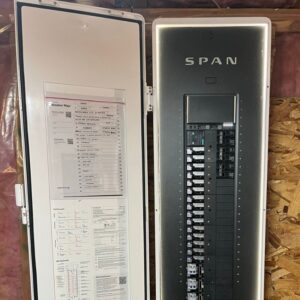
Power tools often need:
- 120-volt circuits
- 240-volt circuits
- Dust collection equipment
- Air compressors
- Specialized machinery
Installing a sub-panel provides flexibility while reducing long conduit runs back to the main panel.
Home Additions
Adding square footage often means adding electrical demand.
A sub-panel can serve:
- New bedrooms
- Sunrooms
- Mother-in-law suites
- Home offices
- Bonus rooms
Instead of overcrowding your existing panel, circuits can be grouped neatly inside the new space.
Outdoor Living Areas
Colorado homeowners continue investing in outdoor spaces.
A sub-panel can conveniently serve:
- Outdoor kitchens
- Patio lighting
- Hot tubs
- Pool equipment
- Landscape lighting
- Pergolas
- Water features
Grouping these circuits together also makes maintenance much easier.
When a Sub-Panel Is NOT Enough
A sub-panel isn’t always the right answer.
Sometimes the home’s electrical service simply doesn’t have enough available capacity.
A licensed electrician may recommend a main panel upgrade if you plan to install multiple high-demand electrical loads such as:
- EV chargers
- Hot tubs
- Electric ranges
- Heat pumps
- Electric furnaces
- Tankless electric water heaters
- Large workshop equipment
In these cases, adding a sub-panel alone won’t solve the underlying capacity issue.
A professional load calculation can determine whether your existing electrical service can safely support additional circuits.
Does a Sub-Panel Need Its Own Breaker?
Yes.
Every sub-panel is fed by a properly sized double-pole breaker located inside the main electrical panel.
The feeder breaker protects the wiring running between the two panels.
The size depends on factors including:
- Wire size
- Panel rating
- Electrical load
- Distance between panels
Installing the correct breaker and conductor size is essential for electrical safety and code compliance.
Can You Install an EV Charger from a Sub-Panel?
Absolutely.
In many homes, installing an EV charger from a nearby sub-panel is actually the most practical option.
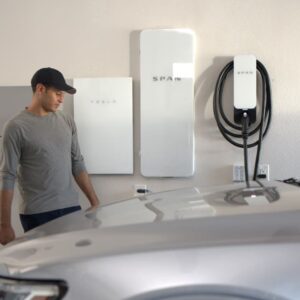
If the sub-panel has adequate capacity and is properly sized, it can safely supply:
- Tesla Wall Connectors
- ChargePoint chargers
- Emporia chargers
- Universal Level 2 EV chargers
An electrician should verify that both the sub-panel and the home’s electrical service can handle the additional continuous load before installation.
Can a Hot Tub Be Connected to a Sub-Panel?
Yes.
Many hot tubs are supplied from a nearby sub-panel or spa panel.
Depending on the installation, this may include:
- GFCI protection
- Disconnect requirements
- Proper conductor sizing
- Approved wiring methods
- Manufacturer installation requirements
Hot tub electrical installations must meet National Electrical Code (NEC) requirements as well as any applicable local regulations.
How Much Does Sub-Panel Installation Cost in Denver?
Every project is different, but most sub-panel installation Denver projects fall within these general price ranges.
| Project | Typical Denver Cost* |
|---|---|
| Small nearby sub-panel installation | $1,00–$2,500 |
| Garage sub-panel | $1,500–$4,000+ |
| Basement sub-panel | $1,500–$4,000+ |
| Detached building with trenching | $4,000–$8,000+ |
*Actual pricing depends on panel size, distance, wire routing, trenching, permit requirements, existing electrical service capacity, and the complexity of the installation.
The best way to determine cost is with an on-site evaluation by a licensed electrician.
Is a Permit Required?
In most cases, yes.
Electrical work involving new panels or sub-panels typically requires permits and inspections to help ensure the installation meets applicable electrical codes.
A licensed electrical contractor can determine what is required for your specific project and handle the permitting process when applicable.
Why Professional Installation Matters
Installing a sub-panel involves much more than simply adding another breaker box.
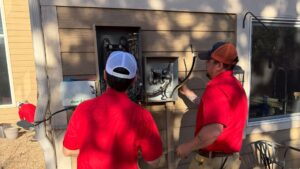
Proper installation includes:
- Electrical load calculations
- Correct feeder sizing
- Proper grounding and bonding
- Correct breaker sizing
- Code-compliant conductor installation
- Panel labeling
- Permit and inspection requirements where applicable
Mistakes can create serious safety hazards, including overloaded circuits, nuisance breaker trips, or equipment damage.
Why Denver Homeowners Choose The Electricians
Whether you’re finishing a basement, building a detached garage, installing a workshop, or planning for future electrical expansion, our licensed electricians can help determine whether a sub-panel or a full service upgrade is the best long-term solution.
We provide:
- Free estimates
- Licensed and insured electricians
- Residential and commercial expertise
- Code-compliant installations
- Panel upgrades
- Dedicated circuits
- EV charger installations
- Generator-ready electrical solutions
- Service throughout the Denver metro area
We’ll evaluate your existing electrical system, perform the necessary load calculations, and recommend the solution that fits your home’s current needs while allowing room for future growth.
Frequently Asked Questions
Can I add a sub-panel if my main panel is full?
Sometimes, but not always. If your main panel has no available breaker spaces, there are approved methods that may allow a feeder breaker to be added in certain situations. In other cases, the better solution may be replacing the main panel with a larger one. An electrician can evaluate your specific setup.
Does a sub-panel increase my home’s electrical capacity?
No. A sub-panel redistributes power from your existing electrical service. It does not increase the amount of power supplied by the utility.
What size sub-panel should I install?
Common residential sub-panels range from 60 amps to 125 amps, but the appropriate size depends on the connected load, future expansion plans, conductor sizing, and the capacity of your existing electrical service.
Is a sub-panel cheaper than upgrading my main panel?
Often, yes. If your home already has sufficient electrical capacity, a sub-panel is typically less expensive than replacing the main service panel. However, every home is different, so an on-site evaluation is the best way to determine the right solution.
Can I install a sub-panel myself?
Electrical panel work carries significant safety risks and is subject to code requirements. Most homeowners should hire a licensed electrician to ensure the installation is safe, properly sized, and inspected where required.
Related Posts
If you enjoyed reading this, then please explore our other articles below:
Electrical Panels in Colorado Homes
Many homes across Colorado, especially in Denver, Aurora, Lakewood, and Colorado Springs, were built with electrical panels that were never designed for modern power demands. Cold winters, EV charging, home offices, and newer appliances place added stress on older panels and breakers.
If you are noticing frequent breaker trips, buzzing sounds, or planning an upgrade like an EV charger or heat pump, a licensed Colorado electrician can evaluate whether your panel needs repairs or a full power upgrade.