A dripping faucet probably doesn’t require an emergency plumber.
Water pouring through your ceiling is a different story.
A plumbing emergency is any problem that can quickly cause water damage, create a health or safety risk, or leave your home without an essential plumbing service.
Some plumbing issues can wait until tomorrow. Others need immediate attention.
If you’re searching for an emergency plumber in Denver, here are 10 problems you shouldn’t ignore and what you can do to prevent further damage before your plumber arrives.
1. A Burst Pipe
A burst pipe is one of the most serious plumbing emergencies.
A broken pipe can release a large amount of water in minutes. That water can damage flooring, drywall, cabinets, furniture, and electrical equipment.
If you can safely reach it, shut off the water supply at your home’s main valve.
Then call for emergency plumbing services.
Denver Water recommends knowing where your main water shutoff is before an emergency happens. In many Denver homes, it’s in the basement or crawlspace on a wall facing the street.
Knowing its location can help you stop the water flow and prevent further damage while waiting for help.
2. A Major Water Leak
Not every leak requires an emergency plumber near me search.
A small drip under the sink that can be contained may be able to wait for a normal repair service.
An active leak that you can’t control is different.
Call a licensed plumber if:
- Water is spreading across the floor
- Water is coming through the ceiling
- You can’t find the source
- The leak continues after turning off a fixture
- Water is near electrical equipment
- You can’t shut off the water supply
The faster you stop the water, the better your chances of limiting water damage.
3. Water Is Leaking Near Electrical Equipment
Water and electricity are a dangerous combination.
Take extra care if a plumbing problem sends water near:
- Electrical outlets
- Light fixtures
- Appliances
- Wiring
- Electrical panels
Don’t stand in water while touching electrical equipment or attempting to shut off a circuit breaker.
Some emergencies require both a plumber and an electrician.
That’s where calling The Electricians and Plumbers can make things easier. We can handle both sides of the problem without making you coordinate two different companies.
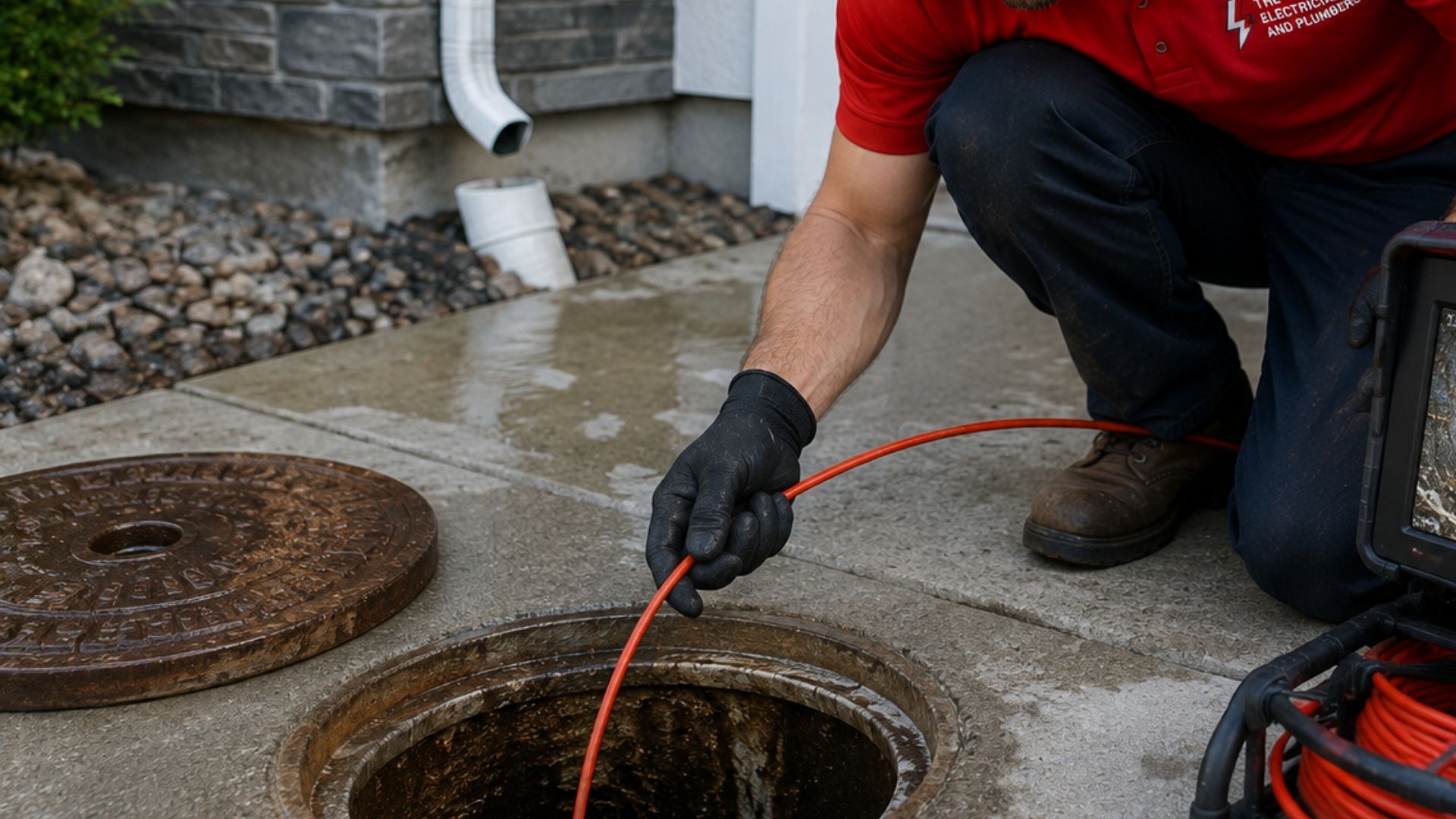
4. A Sewer Backup
Sewage entering your home requires quick attention.
Warning signs include:
- Sewage coming through a floor drain
- Wastewater backing up into a bathtub
- Multiple toilets overflowing
- Several drains backing up at once
- Strong sewer odors
- Gurgling toilets
Stop using water when you notice these symptoms.
Running the washing machine, taking a shower, flushing toilets, or using sinks sends more water into the plumbing system.
If the main sewer line is blocked, that wastewater has nowhere to go.
A sewer backup can also expose your home to harmful contaminants. Call for emergency plumbing in Denver as soon as possible.
5. Multiple Drains Are Clogged
One clogged sink usually isn’t an emergency.
Several clogged fixtures can signal a larger plumbing problem.
Watch for:
- Multiple slow drains
- Toilets bubbling when sinks drain
- Water coming up through tubs or showers
- Floor drains backing up
- Gurgling throughout the house
These plumbing issues may indicate a main sewer line clog.
Don’t keep running water to test the drains. You could turn a clog into a sewage backup.
A plumber may need to inspect the line before recommending the right repair or replacement option.
6. An Overflowing Toilet Won’t Stop
A clogged toilet isn’t always an emergency.
If you have another working bathroom and the water isn’t overflowing, you may be able to schedule regular repair service.
A toilet that won’t stop overflowing is different.
Start by turning off the toilet’s water supply. The shutoff valve is normally located on the wall behind or beside the toilet.
Call a plumber if:
- The toilet continues overflowing
- The shutoff valve doesn’t work
- Sewage is coming through the drain
- Other drains are backing up too
Repeated toilet backups may point to a larger problem in your plumbing system.
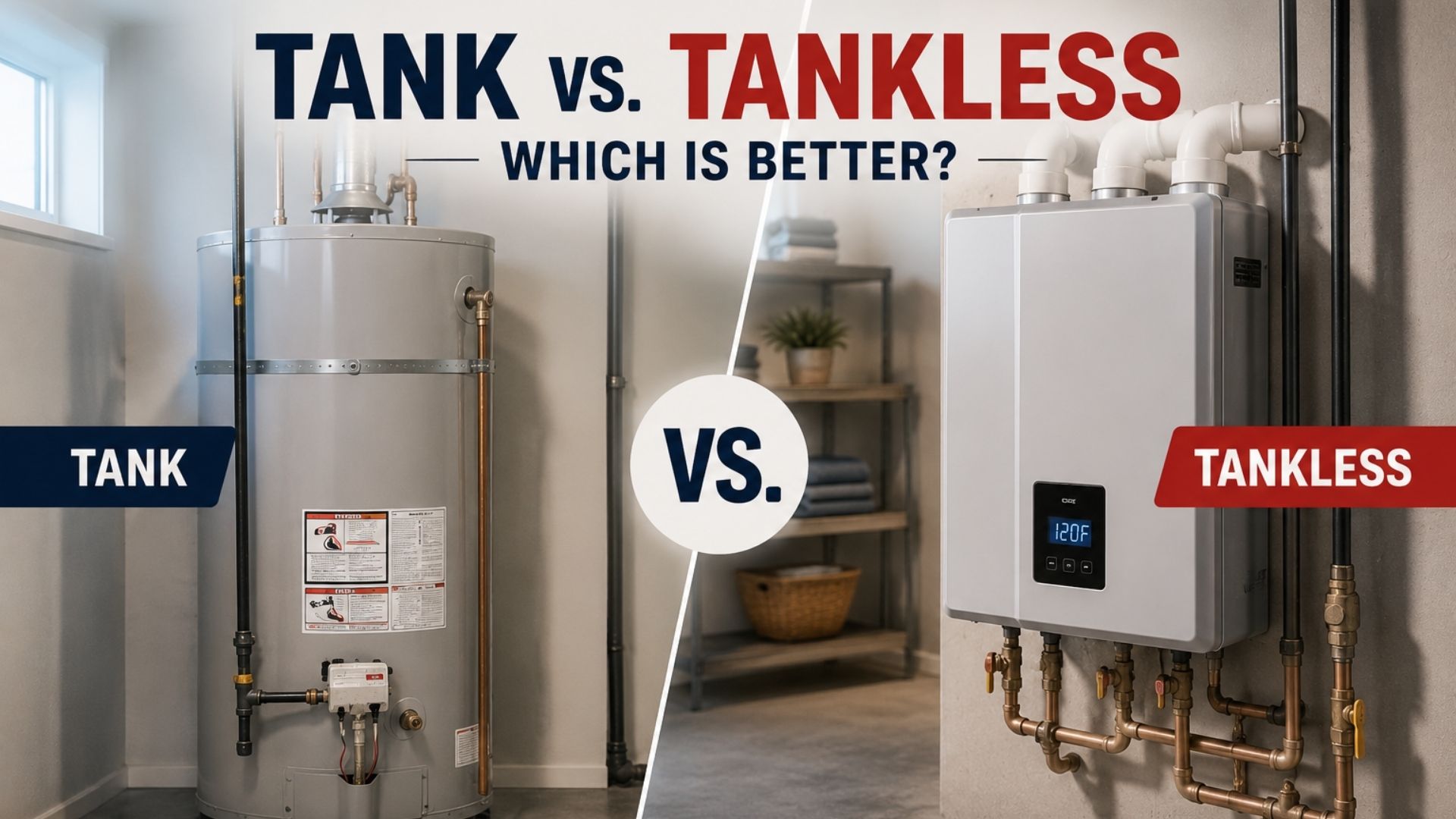
7. A Leaking Water Heater
Water around your water heater should never be ignored.
Leaks can come from a valve, plumbing connection, water line, or the tank itself.
A failed tank may require replacement.
You may also need immediate service if your water heater fails and leaves your household without hot water, especially if there’s an active leak at the same time.
Water heater problems can involve both plumbing and electrical components. Gas models can also involve a gas line and venting system.
If water is spreading toward electrical equipment, don’t touch the equipment while standing in water.
8. Frozen Pipes
Frozen pipes are a major concern during Colorado winters.
When water freezes, it expands. That pressure can damage the pipe and eventually cause it to burst.
Signs of a frozen pipe include:
- Little or no water from a faucet
- One area of the house losing water
- Frost on exposed piping
- Problems beginning during very cold weather
Denver Water recommends acting quickly when you suspect frozen plumbing.
If you can access the frozen area, use gentle heat such as a hair dryer.
Never use an open flame or blowtorch.
Know where your main water shutoff is too. A cracked pipe may begin leaking rapidly once the ice starts to thaw.
If that happens, shut off the water supply and call an emergency plumber.
9. Your Home Suddenly Has No Water
If your entire home loses water, first check whether your neighbors have the same problem.
A water-main break or utility work could be responsible.
If your neighbors have water and you don’t, the problem could be within your property.
Possible causes include:
- Frozen pipes
- Damaged water service lines
- Failed valves
- Plumbing leaks
- Problems with the home’s water supply
Denver Water offers 24-hour response for water-main and utility-side emergencies.
If the problem is inside your home or on your private plumbing system, contact a plumbing company.
10. You Smell Gas Near a Water Heater
Some plumbing equipment uses natural gas, including many water heaters, boilers, and tankless water heaters.
If you smell gas or suspect an active gas leak, leave the area first.
Contact your gas utility or emergency services from a safe location.
Don’t flip switches, light flames, or do anything that could create a spark.
After the immediate danger has been addressed, a professional can inspect the appliance, gas line, and related equipment to determine what repairs are needed.
What Should You Do During a Plumbing Emergency?
The first few minutes matter.
Shut Off the Water
For a leaking sink or toilet, use the nearby shutoff valve.
For a burst pipe or major leak, shut off the home’s main water supply if you can safely reach it.
Stop Using Your Plumbing
If you suspect a sewer clog or backup, stop using sinks, toilets, showers, washing machines, and dishwashers.
Watch for Electrical Hazards
Stay away from standing water if electrical equipment may have been affected.
Protect Your Property
If it’s safe, move electronics, furniture, rugs, and valuables away from the water.
Call a Licensed Plumber
Explain what happened, where the problem is located, and whether you’ve been able to stop the water.
This information can help the plumbing company understand the emergency before the plumber arrives.
Can My Plumbing Problem Wait Until Tomorrow?
Sometimes it can.
A minor plumbing problem may be able to wait if:
- The leak is small and contained
- You can completely stop the water
- Other plumbing is working
- No sewage is involved
- Electrical equipment isn’t affected
- The problem isn’t getting worse
Call for emergency plumbing services when you can’t safely control the situation or your home is at risk of further damage.
A simple rule is:
If you can’t stop the water or safely contain the problem, don’t wait.
How Can I Prevent Future Plumbing Emergencies?
Not every emergency can be prevented, but regular maintenance can catch some plumbing issues before they become expensive problems.
Homeowners should:
- Know where the main water shutoff is
- Check exposed pipes for leaks or corrosion
- Protect vulnerable pipes before freezing weather
- Address recurring drain problems
- Watch for signs of water heater leaks
- Don’t ignore unexplained changes in water pressure
- Have repeated plumbing problems professionally inspected
Small warning signs can sometimes point to a much larger problem developing inside your plumbing system.
Emergency Plumbing Frequently Asked Questions
What is considered a plumbing emergency?
A plumbing emergency is a problem that can cause major water damage, create a health or safety risk, or seriously disrupt your home’s plumbing system. Burst pipes, sewer backups, uncontrolled leaks, and overflowing fixtures are common examples.
When should I call an emergency plumber in Denver?
Call an emergency plumber in Denver when you can’t stop an active leak, have a burst pipe, experience a sewer backup, or have another plumbing problem that could quickly damage your home.
Is there a 24 hour plumber in Denver?
Yes. If you need a 24 hour plumber in Denver, emergency plumbing services are available for urgent problems that can’t safely wait for normal business hours.
Is a clogged drain an emergency?
One clogged drain usually isn’t. Multiple drains backing up at once, sewage entering the home, or wastewater coming through other fixtures may indicate a main sewer line problem that requires immediate service.
What should I do before the plumber arrives?
If possible, shut off the water supply, stop using affected fixtures, keep people away from sewage or standing water, and move valuables away from the leak. Don’t touch electrical equipment if water is nearby.
Do you provide residential and commercial plumbing?
The Electricians and Plumbers provides professional plumbing services for a range of properties and plumbing needs. Contact our team to discuss your specific residential or commercial plumbing project.
Need an Emergency Plumber in Denver?
When a pipe bursts or water starts spreading through your home, you don’t want to spend an hour searching for an emergency plumber near me.
You need someone who can identify the problem, stop the damage, and determine the right repair.
The Electricians and Plumbers provides emergency plumbing services in Denver and surrounding Colorado communities.
And if the plumbing emergency creates an electrical problem, you don’t have to coordinate two contractors.
We handle both trades.
For emergency plumbing in Denver, call The Electricians and Plumbers at 720-633-5937.
Related Posts
If you enjoyed reading this, then please explore our other articles below:
Electrical Panels in Colorado Homes
Many homes across Colorado, especially in Denver, Aurora, Lakewood, and Colorado Springs, were built with electrical panels that were never designed for modern power demands. Cold winters, EV charging, home offices, and newer appliances place added stress on older panels and breakers.
If you are noticing frequent breaker trips, buzzing sounds, or planning an upgrade like an EV charger or heat pump, a licensed Colorado electrician can evaluate whether your panel needs repairs or a full power upgrade.