Contents
- Tesla Charger Installation: What to Expect
- Other EV Charger Installation Options
- Tesla vs Other EV Chargers: Key Differences
- EV Charger Installation Costs
- Permitting Requirements for EV Charger Installation
- Why Hire a Tesla Certified Electrician
- Tesla Charger Installation vs Universal EV Charger: Which Is Better?
- Additional Considerations for Homeowners
- Final Thoughts
Trusted Colorado Electricians
If you are considering installing a home EV charger, one of the first decisions you will face is whether to install a Tesla charger or a more universal EV charging solution.
While both options provide reliable charging equipment for electric vehicles, the installation process, cost, compatibility, and long term value can vary significantly.

This guide breaks down Tesla charger installation vs other EV charger installation options, including costs, permitting requirements, and why working with a Tesla certified electrician matters.
Tesla Charger Installation: What to Expect
Tesla home charging is centered around the Tesla Wall Connector. This is a Level 2 home charging station designed specifically for Tesla vehicles, although newer models can support other EVs with the correct adapter.
Key Features of Tesla Chargers
- Fast Level 2 charging with up to 44 miles of range per hour
- Sleek, compact design for indoor or outdoor installation
- WiFi connectivity for monitoring and updates
- Load sharing capabilities for multiple Tesla vehicles
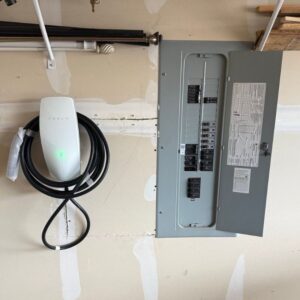
A Tesla charger connects directly to your electrical panel and typically requires a dedicated circuit with properly sized circuit breakers. Most installations involve a 240 volt connection, similar to large household appliances like dryers or ovens.
Other EV Charger Installation Options
Non Tesla EV chargers, often called universal or J1772 chargers, are designed to work with a wide range of electric vehicles including Ford, Rivian, Chevy, and others.
Popular EV Charger Brands
- ChargePoint Home Flex
- JuiceBox
- Emporia EV Charger
- Wallbox Pulsar Plus
Key Advantages
- Broad compatibility across EV brands
- Flexible amperage settings
- Smart home integration features
- Often lower upfront equipment cost
These chargers also require a dedicated circuit and similar electrical service considerations as Tesla chargers. Some EV owners also choose to install a NEMA 14-50 outlet instead of a hardwired unit, which allows for a plug-in style home EV charger.
Tesla vs Other EV Chargers: Key Differences
Compatibility
Tesla chargers are optimized for Tesla vehicles. While adapters allow cross compatibility, a universal home EV charger may be a better long term option if you plan to own multiple EV brands.
Charging Speed
Both Tesla and high quality universal chargers offer similar Level 2 charging speeds. The actual speed depends more on your electrical panel capacity and circuit size than the level 2 charger itself.
Cost of Equipment
- Tesla Wall Connector: typically $450 to $600
- Tesla Powershare Home Backup Bundle: $1,990
- Universal EV chargers: typically $400 to $800 depending on features
Installation Complexity
EV charger installation is nearly identical for both types of charging equipment. The biggest factors affecting installation include:
- Distance from electrical panel
- Available panel capacity
- Need for panel upgrades
- Routing wires and cables
EV Charger Installation Costs
The total cost of EV charger installation can vary widely depending on your home’s electrical system.
Typical Installation Cost Breakdown
- Basic installation: $1,000 to $2,500
- Moderate complexity: $2,000 to $4,000
- Complex installs or panel upgrades: $4,000 to $7,000+
Factors That Impact Cost
- Electrical panel capacity and available amperage
- Distance from panel to charger location
- Drywall or trenching work required
- Permit and inspection fees
- Upgrading circuit breakers or the full electrical service if needed
Tesla charger installation costs are generally similar to other EV charger installation projects. However, working with specialized electrical contractors or a Tesla certified electrician may slightly increase labor cost due to expertise and experience.
Permitting Requirements for EV Charger Installation
Installing a Level 2 home charging station typically requires a permit and inspection to ensure safety and code compliance.
What You Need to Know
- Electrical permit is required for most 240V installations
- Work must comply with the National Electric Code and local amendments
- Inspection is required after installation
- HOA approval may be required in some neighborhoods
A licensed electrician will usually handle the permitting process for you, ensuring everything is completed correctly and passes inspection.
Why Hire a Tesla Certified Electrician
Hiring a Tesla certified electrician offers several advantages, especially if you are installing a Tesla Wall Connector.
Benefits Include
- Proper installation that meets Tesla specifications
- Experience with load calculations and panel capacity
- Clean, professional installation that protects your home
- Assistance with permits and inspections
- Reduced risk of electrical issues or code violations
For EV owners, working with qualified electrical contractors ensures your home charging station is safe, efficient, and built to last.
Tesla Charger Installation vs Universal EV Charger: Which Is Better?
The right choice depends on your specific needs.
Choose Tesla Charger Installation If
- You own or plan to own only Tesla vehicles
- You want seamless Tesla integration
- You prefer Tesla’s design and ecosystem
Choose a Universal EV Charger If
- You want flexibility for multiple EV brands
- You may switch vehicle brands in the future
- You want broader smart home compatibility
Additional Considerations for Homeowners
Electrical Panel Capacity
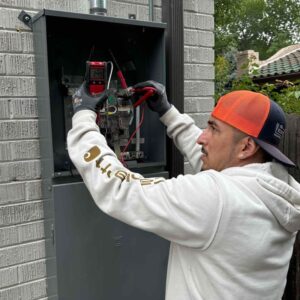
Many homes may have limited panel capacity. If your panel cannot support a new home EV charger, you may need upgrades to your electrical service or circuit breakers.
Energy Efficiency and Electricity Costs
Charging at home is typically more cost effective than public charging, especially when scheduled during off peak hours. Choosing an energy efficient model and managing usage can help reduce electricity costs over time.
Future Proofing Your Installation
Installing a higher capacity circuit now can save money later if you upgrade your charging equipment or add another electric vehicle.
Final Thoughts
Tesla charger installation and other EV charger installation options both offer reliable, convenient home charging. The biggest differences come down to compatibility, features, and long term flexibility.
For most homeowners, the installation process and cost are similar regardless of the charger type. The most important decision is choosing the right electrician to ensure your system is installed safely and meets all code requirements.
If you are considering installing a Tesla charger or a universal home EV charger, working with a licensed, experienced, and Tesla certified electrician will ensure the job is done right the first time.
Related Posts
If you enjoyed reading this, then please explore our other articles below:
Electrical Panels in Colorado Homes
Many homes across Colorado, especially in Denver, Aurora, Lakewood, and Colorado Springs, were built with electrical panels that were never designed for modern power demands. Cold winters, EV charging, home offices, and newer appliances place added stress on older panels and breakers.
If you are noticing frequent breaker trips, buzzing sounds, or planning an upgrade like an EV charger or heat pump, a licensed Colorado electrician can evaluate whether your panel needs repairs or a full power upgrade.