Why Does My Breaker Keep Tripping? Common Causes and Fixes
A circuit breaker keeps tripping because it is detecting an unsafe electrical condition, most commonly a circuit overload, short circuit, ground fault, or wiring problem. When this happens, the breaker shuts off power to protect your home from overheating, electrical fires, and shock hazards.
If you are asking why your breaker keeps tripping or why it will not stay on after resetting, it is usually a warning sign that something in the circuit needs attention, not a random failure. Repeated tripping should never be ignored.
In this guide, we explain what it means when a circuit breaker keeps tripping, the most common causes, what you can safely check yourself, and when it is time to call a licensed electrician in Colorado.
Why does my breaker keep tripping?
A breaker keeps tripping when too much electrical current flows through a circuit or when a fault such as damaged wiring, moisture, or a failing appliance is detected. The breaker trips to prevent overheating, electric shock, and electrical fires.
Below are some of the main reasons your breaker keeps tripping:
1. Circuit Overload: The Most Common Culprit
This is the electrical equivalent of trying to cram too many people into an elevator. When too many devices draw power on the same circuit, your breaker taps out.

Example:
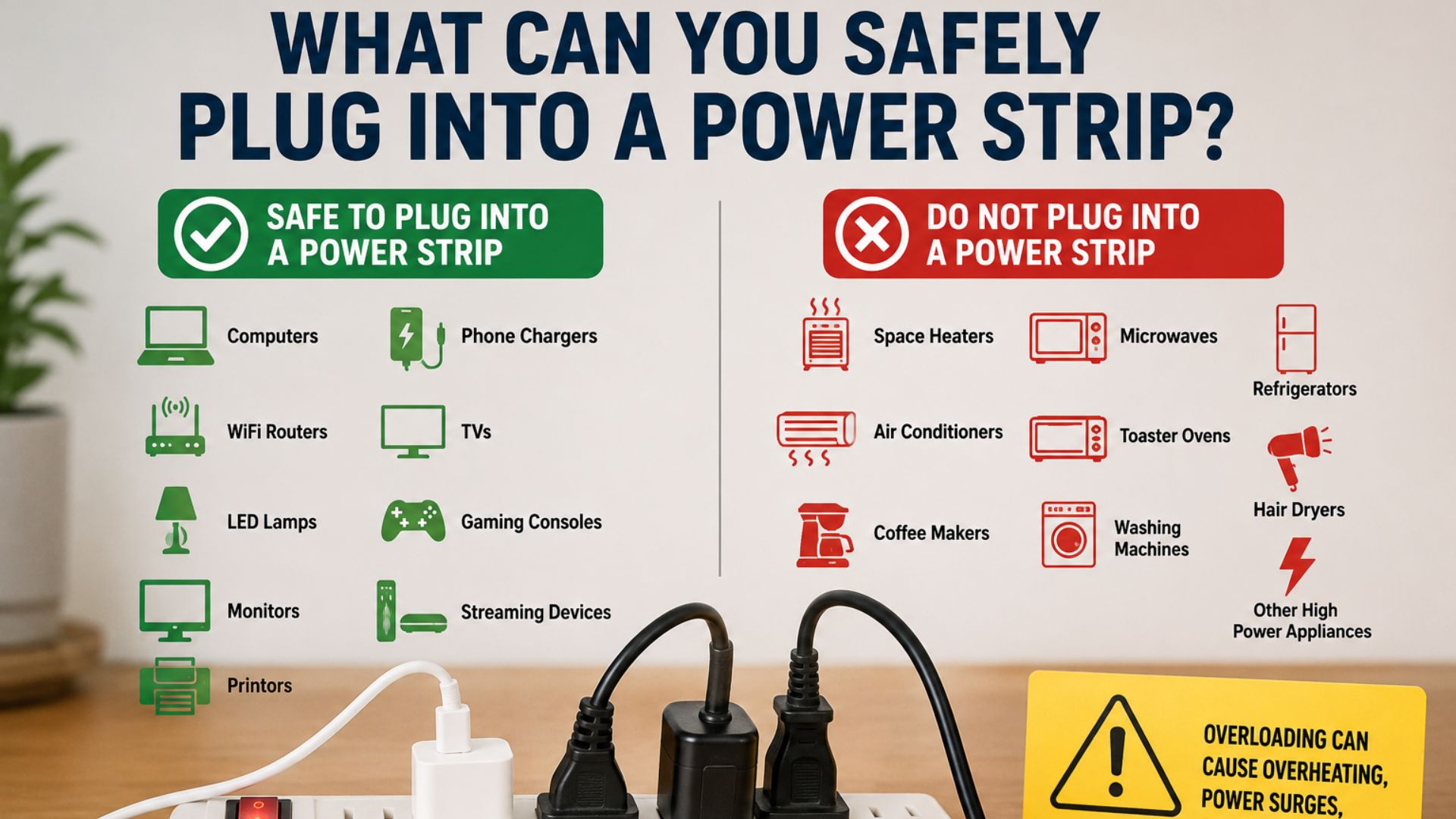
Your microwave keeps tripping the breaker because it’s sharing a circuit with your toaster, blender, and maybe even the fridge.
What You Can Do:
- Unplug a few appliances and run them one at a time.
- Spread appliances across different electrical circuits.
- Use heavy-duty extension cords sparingly (and smartly).
Over time, recurring overloads can damage your breaker box or wiring, so don’t ignore them.
According to NEC Article 220, proper load calculations are required to prevent overloads. Just plugging things in and hoping for the best doesn’t cut it, especially in older homes.
2. Short Circuit: Sparks Aren’t Always Romantic
A short circuit happens when a hot wire touches a neutral wire or ground wire. This causes a sudden spike in electricity, which your breaker catches immediately.
Signs of a Short Circuit:
- Burn marks on outlets
- That distinctive burnt smell (never good)
- A pop or spark when plugging something in
Short circuits are dangerous and not DIY territory. If you suspect one, turn off the power and call an electrician.
3. Ground Fault: Water + Wires = Uh Oh
A ground fault happens when a hot wire comes into contact with a grounded part of a device or wall box, especially in areas with moisture, like bathrooms and kitchens.
That’s why your GFCI breaker keeps tripping in places like:
- Outdoor outlets
- Bathroom sockets
- Laundry room circuits
What to Do:
- Unplug everything from that circuit.
- Try resetting the breaker and plugging items in one at a time.
- If the breaker trips again instantly, call in the pros.
Ground faults are serious business, they can lead to electric shock.
4. Faulty Appliance: The Drama Queen of Your Outlets
Sometimes it’s not your wiring, it’s the appliance. If your microwave keeps tripping the breaker, but other devices don’t, it might be on its way to the great appliance graveyard in the sky.
How to Check:
- Try plugging it into a different outlet on a separate circuit.
- If it still trips the breaker, replace it.
- Still unsure? An electrician can test for internal faults.
5. Loose Connections and Wiring Errors
Over time, wiring connections inside outlets, switches, or your breaker box can loosen. Backstabbed receptacles, overtightened lugs, or creative (but unsafe) wiring like wrapping a ground wire around a neutral wire to spoof a return path can cause intermittent power flow and heat.
Watch for:
- Flickering lights
- Intermittent power loss
- Breakers that trip with no clear pattern
These aren’t just quirky annoyances, they can lead to arcing and fire hazards.
6. Breaker Failure: When the Breaker Is the Problem
Most people assume the breaker trips because something else is wrong. But sometimes the breaker itself is faulty. Components inside the breaker, like the bimetal strip, degrade over time, especially if it’s been tripped often.
Clues It Might Be the Breaker:
- It trips with no load or issue present
- It’s physically warm to the touch
- It fails to reset or resets inconsistently
Not all breakers are rated for frequent switching. If in doubt, have a professional inspect it. Contact The Electricians today.
7. Circuit Damage: The Hidden Threats
You can’t see inside your walls, but that’s where trouble might be lurking:
- Nails or screws puncturing wires
- Rodents chewing insulation
- Wires crushed behind walls or outlets
All of these increase resistance and can cause random breaker tripping.
8. Outdated or Unsafe Panels
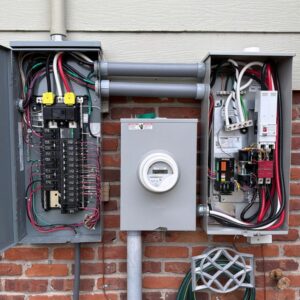
Still rocking an old Federal Pacific or Zinsco panel? These legacy brands are known to fail under load and may not trip when they should. That’s worse than nuisance tripping, it’s a fire risk.
Warning Signs:
- Humming or buzzing panels
- Warm-to-the-touch breakers
- Tripping that seems random and increasing over time
If your panel is from the 70s or earlier, or has a brand with a bad reputation, it might be time for an upgrade.
9. Double-Tapped Breakers
We get it, you’re out of room in the panel. But tying two circuits into one breaker (unless it’s rated for it) is unsafe and a code violation.
What Can Happen:
- Overloaded breakers
- Heat buildup
- Improper disconnection during faults
NEC 110.3(B) states that devices must be installed in accordance with their listing and labeling. Most standard breakers are not rated for double taps.
Why Circuit Breakers Trip More Often in the Winter
Circuit breakers trip more often in the winter because cold weather increases electrical demand and exposes existing wiring issues. Space heaters, furnaces, holiday lighting, and moisture from snow or ice all raise the risk of circuit overloads, ground faults, and nuisance tripping.
Winter rarely causes new electrical problems. It puts more stress on circuits that are already near their limit.
Space Heaters and Winter Overloads
Portable space heaters are one of the most common reasons breakers trip in winter. Many heaters draw up to 1,500 watts and are often plugged into outlets that already serve lights, televisions, or other appliances.
When heaters run for long periods, the circuit can exceed its safe capacity and trip to prevent overheating.
Increased Electrical Usage During Cold Weather
Homes use more electricity in winter overall. Furnaces, humidifiers, heated blankets, and electric fireplaces all run more frequently, sometimes at the same time.
This increased demand can push older or heavily loaded circuits past their limit, especially in homes that were not designed for modern electrical loads.
Cold Temperatures and Loose Electrical Connections
Cold temperatures can cause wiring and metal connections to contract slightly. If a connection is already loose, winter conditions can increase resistance and heat buildup.
This may lead to intermittent breaker tripping, flickering lights, or breakers that trip without an obvious appliance running.
Moisture and Ground Fault Tripping
Snow melt, ice, and condensation can introduce moisture into outdoor outlets, garages, and exterior electrical boxes. When moisture contacts energized components, GFCI or AFCI breakers may trip to reduce the risk of electric shock.
This is common after snowstorms or during freeze and thaw cycles.
Furnaces and Motor Startup Loads
Furnaces and blower motors draw higher electrical current when they start. As equipment ages, startup demand can increase, making breaker trips more likely during heating cycles.
If a breaker trips when the furnace turns on, the circuit or the equipment should be inspected.
Is Winter Breaker Tripping Dangerous?
Yes. Frequent breaker tripping in winter often indicates overloaded circuits, loose wiring, moisture intrusion, or an outdated electrical panel. These conditions increase the risk of overheating and electrical fires if left unaddressed.
If your breaker trips repeatedly during cold weather, it should be evaluated by a licensed electrician.

AFCI & GFCI Tripping: Sensitive by Design
Arc Fault Circuit Interrupters (AFCIs) and Ground Fault Circuit Interrupters (GFCIs) are meant to be cautious. That means sometimes they’ll trip over small electrical noise or minor inconsistencies.
Common Triggers:
- Vacuum cleaners
- Older hair dryers
- Motor-driven tools
- Power surges
Sometimes it’s a nuisance. Sometimes it’s a warning. If your GFCI breaker keeps tripping or your AFCI trips often, let an electrician evaluate it.
How to Reset a Tripped Breaker (Safely)
- Locate your electrical panel
- Find the breaker between ON and OFF
- Switch it fully OFF, then back to ON
If it trips again immediately, stop and investigate or call an electrician. Repeatedly resetting a breaker without fixing the cause is unsafe.
Is It Dangerous If Circuit Breaker Keeps Tripping?
Yes. Always.
Repeated breaker tripping can indicate overheating, wiring damage, loose connections, or failing electrical components. Ignoring it increases the risk of electrical fires, shock hazards, and expensive repairs.
Your breaker is doing its job by warning you.
When to Call an Electrician
Call a licensed electrician if:
- Breakers trip more than once in a day
- You smell burning or see scorch marks
- You hear buzzing from your breaker box
- You’re unsure what’s causing the issue

We offer:
- Full electrical diagnostics
- Panel upgrades
- AFCI/GFCI troubleshooting
- Code-compliant repairs
- Load balancing and additional circuits
Final Thoughts: Don’t Just Live With It
If your breaker keeps tripping, your home is trying to protect itself, and you. Don’t keep flipping and hoping. Whether it’s a microwave tripping the breaker, a failing panel, or a hidden rodent-chewed wire, the solution starts with proper diagnosis.
In the Denver area?
Call The Electricians today and get it fixed right, before that click turns into a crackle.
Related Posts
If you enjoyed reading this, then please explore our other articles below:
Electrical Panels in Colorado Homes
Many homes across Colorado, especially in Denver, Aurora, Lakewood, and Colorado Springs, were built with electrical panels that were never designed for modern power demands. Cold winters, EV charging, home offices, and newer appliances place added stress on older panels and breakers.
If you are noticing frequent breaker trips, buzzing sounds, or planning an upgrade like an EV charger or heat pump, a licensed Colorado electrician can evaluate whether your panel needs repairs or a full power upgrade.